/dp/B07J51W9NS?tag=diagnosticsto-20
Check first: Confirm your phone compatibility and the functions you need before buying.
Check availability on Amazon
Updated Aug 11, 2026Shortlist fit, limitations, and ownership terms reviewedHow we evaluate
Independent buying guide
Best Bluetooth OBD2 Scanner
Read codes, check live data, and understand what the check engine light is trying to tell you. This guide is built to help you choose by job, not by hype.
Short answer: Start with a basic OBD2 scanner for check-engine-light codes, then step up only when you need ABS, SRS, live-data graphing, service resets, or app reports.
The useful dividing lines are buyer stage and diagnostic depth: basic code readers, Bluetooth app scanners, ABS/SRS-capable tools, and bidirectional tablets solve materially different jobs.
Buying checks that matter
- Code reading vs full-system access
- Phone app or standalone screen
- Live data needs
- Subscription or update terms
Compatibility-first path
Choose the smallest suitable obd2 scanners path before opening a listing.
Buyer constraint: Start with a basic OBD2 scanner for check-engine-light codes, then step up only when you need ABS, SRS, live-data graphing, service resets, or app reports.
Limitation: Start with the fault you need to diagnose. A basic code reader may be enough for emissions faults; broader module access and active tests require a more capable tool. A product can fit one job and still be the wrong purchase when the vehicle, material, adapter, app, update term, or confirmation method changes.
/dp/B07Z481NJM?tag=diagnosticsto-20
Check first: Advanced functions can vary by vehicle. Check module and service coverage first.
Check availability on Amazon
/dp/B00652G4TS?tag=diagnosticsto-20
Check first: It is app-dependent, so phone support and update quality matter.
Check availability on Amazon
Models to compare first
| Product | Best fit | Check before buying | Profile |
|---|---|---|---|
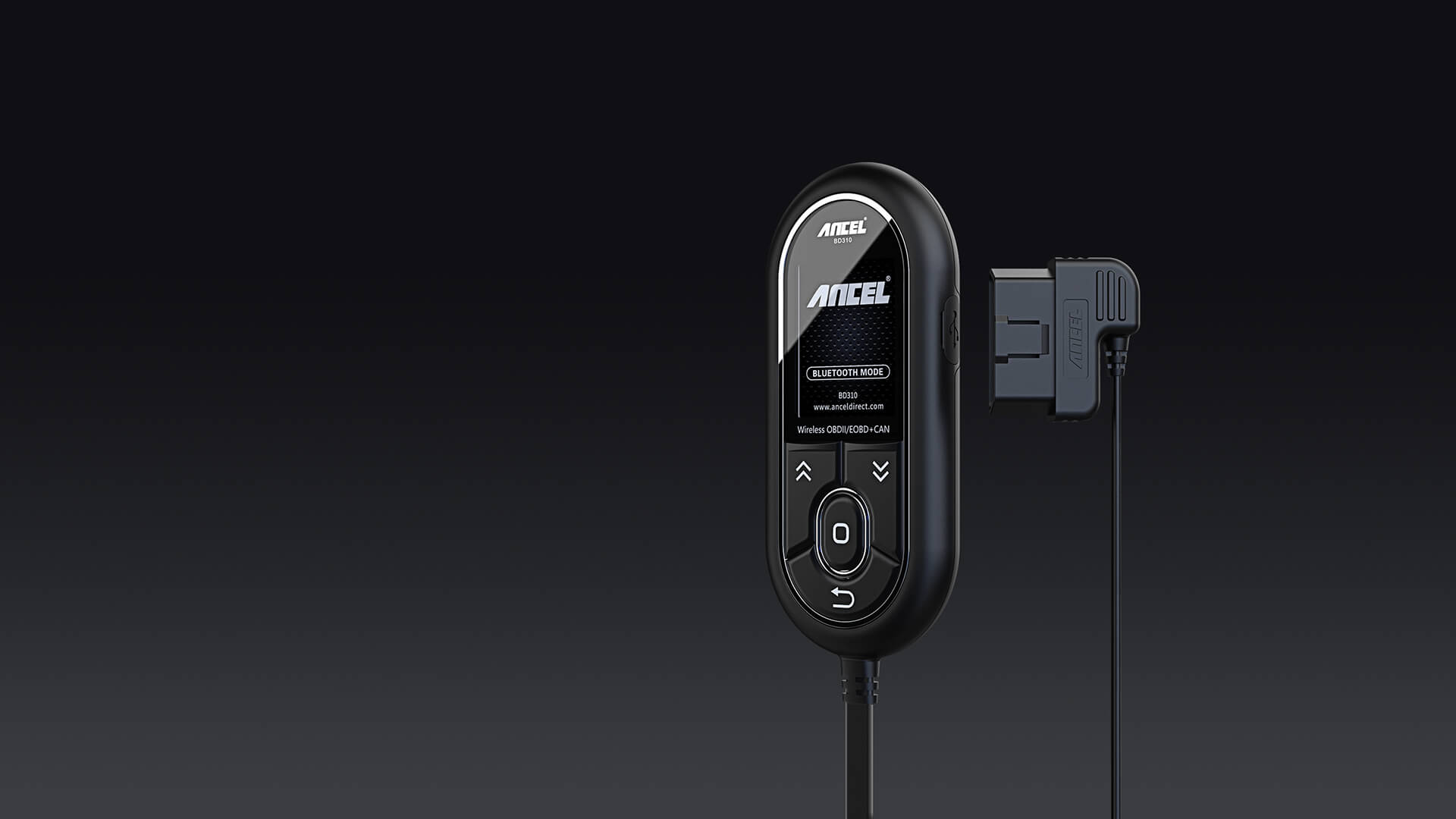
| ANCEL BD310 | Drivers who want a simple handheld screen plus app support. | Confirm your phone compatibility and the functions you need before buying. | View profile |
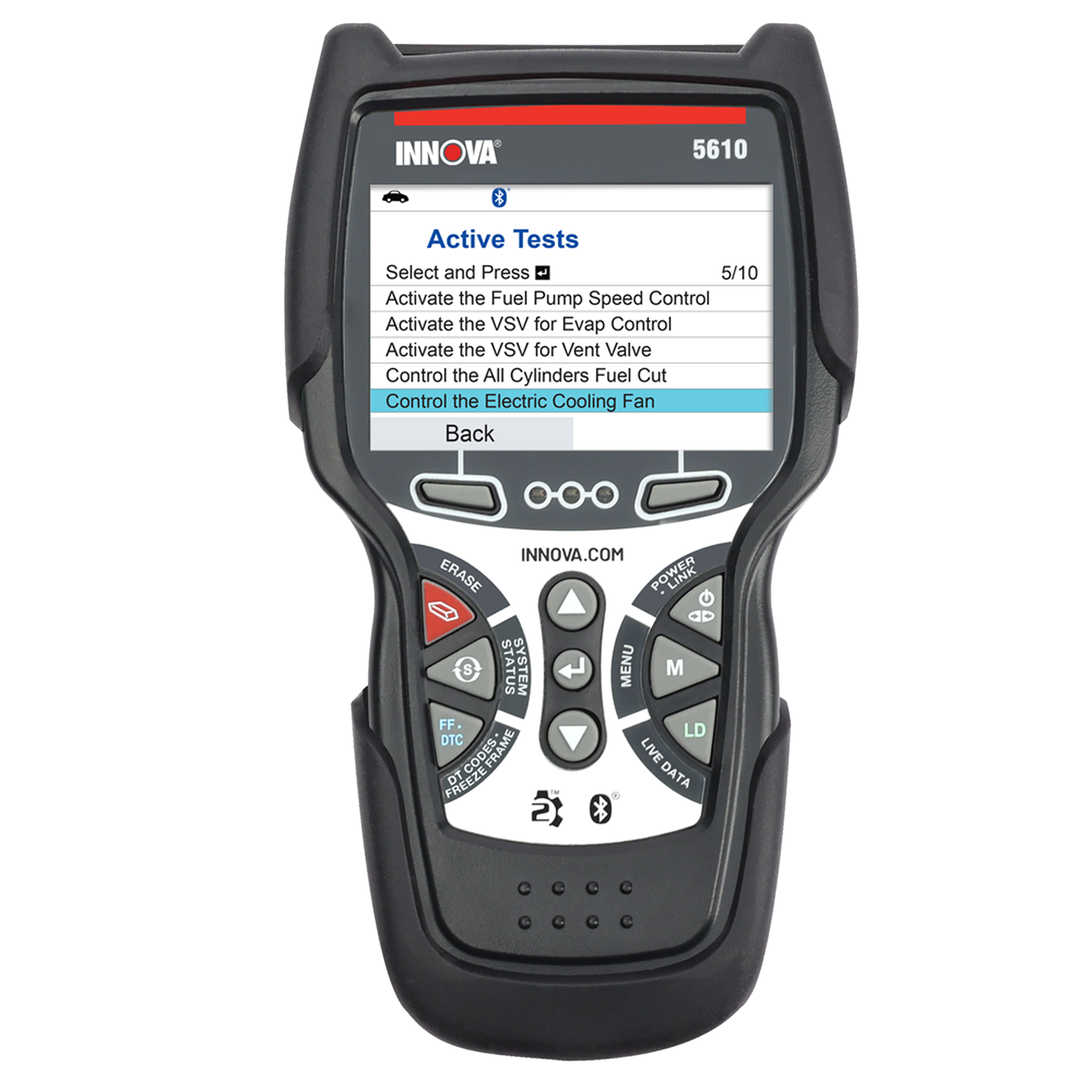
| Innova 5610 | DIY users who want a broader feature set than a basic reader. | Advanced functions can vary by vehicle. Check module and service coverage first. | View profile |
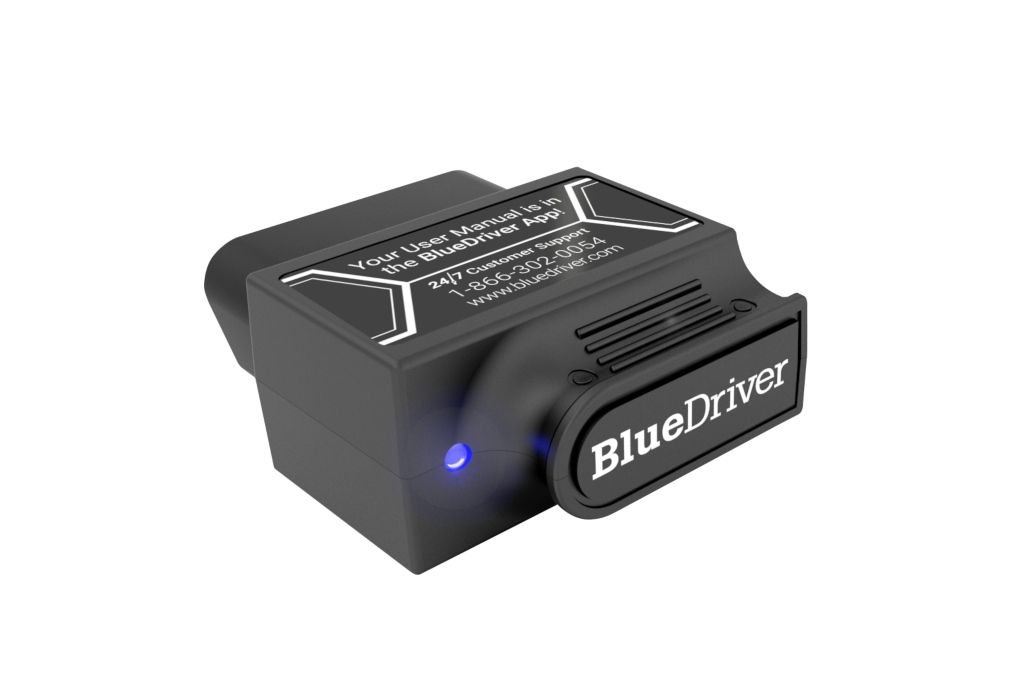
| BlueDriver Pro | Phone-first users who prefer app-guided diagnostics. | It is app-dependent, so phone support and update quality matter. | View profile |
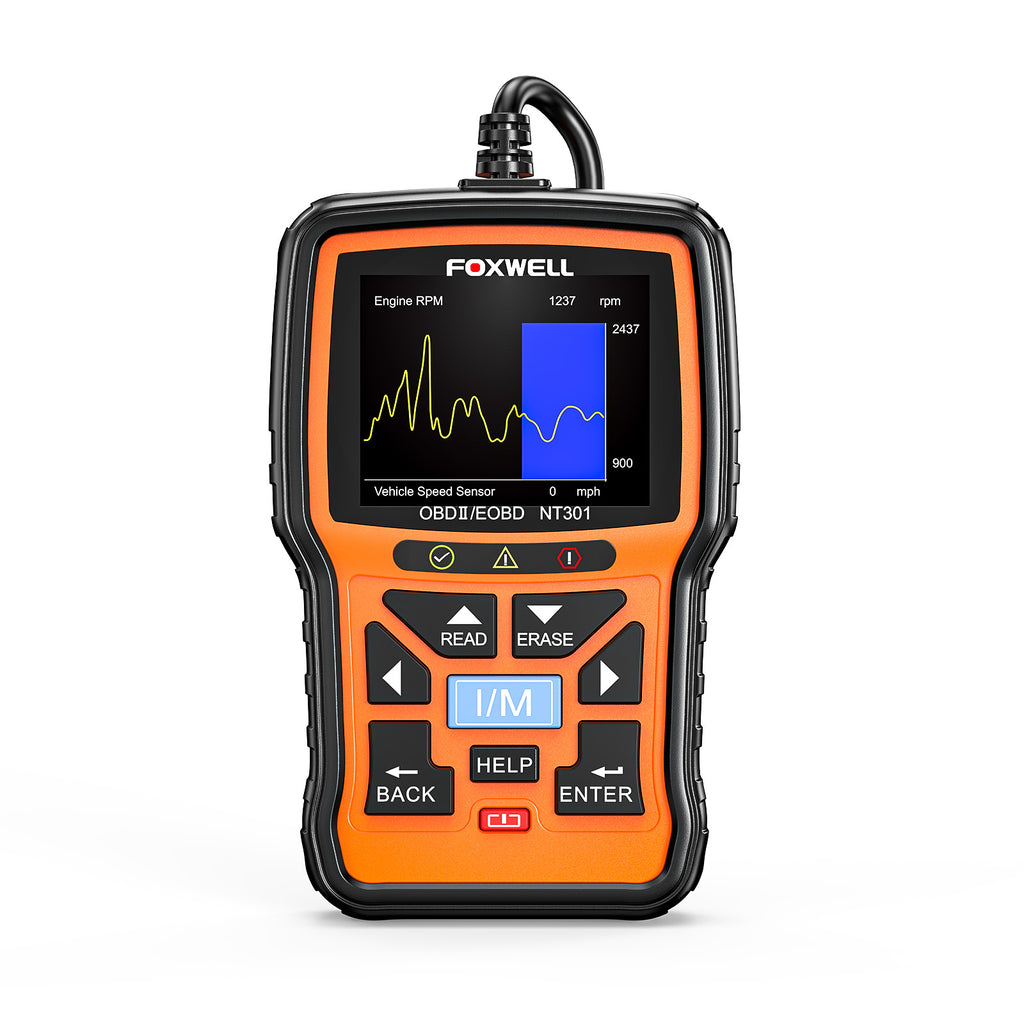
| Foxwell NT301 | Simple code reading and emissions readiness checks. | Do not expect advanced module coverage from a budget reader. | View profile |
| MOTOPOWER MP69033 | Keeping a low-cost code reader in the glovebox or home garage. | Very basic readers do not replace diagnostic judgment. | View profile |
Shortlist
Products in this guide
OBD2 Scanners · $$
ANCEL BD310
A sensible starter candidate for check engine light work when you want more than the cheapest code reader.
- Best for
- Drivers who want a simple handheld screen plus app support.
- Check first
- Confirm your phone compatibility and the functions you need before buying.
Compare fit and alternatives in Best OBD2 Scanner for DIY Mechanics.
OBD2 Scanners · $$$
Innova 5610
Worth shortlisting when you want ABS/SRS style depth without jumping into shop-level scan tools.
- Best for
- DIY users who want a broader feature set than a basic reader.
- Check first
- Advanced functions can vary by vehicle. Check module and service coverage first.
Compare fit and alternatives in Best OBD2 Scanner for DIY Mechanics.
OBD2 Scanners · $$
BlueDriver Pro
A strong candidate for people who would rather use a phone than a handheld scanner.
- Best for
- Phone-first users who prefer app-guided diagnostics.
- Check first
- It is app-dependent, so phone support and update quality matter.
Compare fit and alternatives in Best OBD2 Scanner for DIY Mechanics.
OBD2 Scanners · $
Foxwell NT301
Good for a basic garage kit when the goal is reading codes, not controlling vehicle systems.
- Best for
- Simple code reading and emissions readiness checks.
- Check first
- Do not expect advanced module coverage from a budget reader.
Compare fit and alternatives in Best OBD2 Scanner for DIY Mechanics.
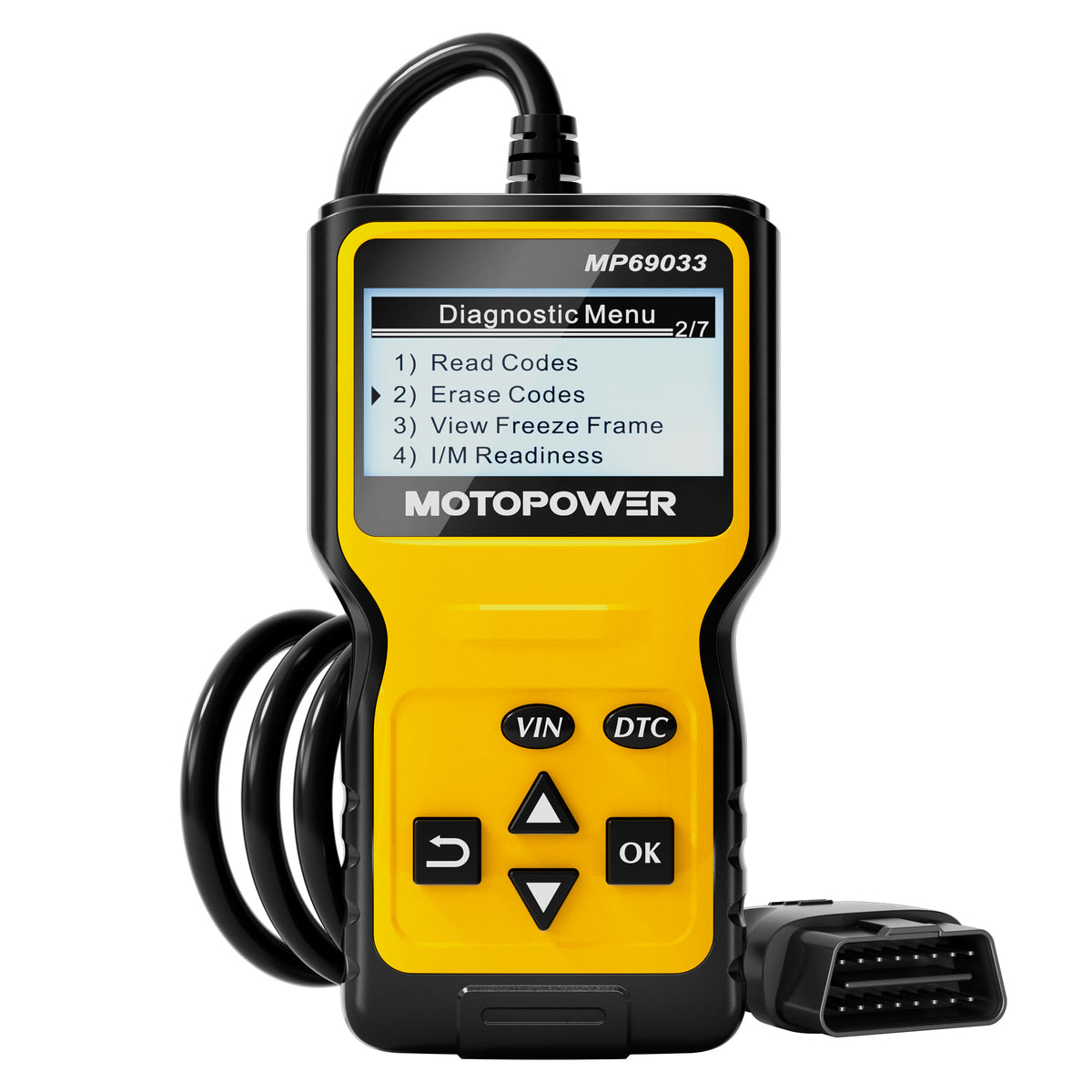
OBD2 Scanners · $
MOTOPOWER MP69033
A budget option for first-step code reading before deeper testing.
- Best for
- Keeping a low-cost code reader in the glovebox or home garage.
- Check first
- Very basic readers do not replace diagnostic judgment.
Compare fit and alternatives in Best OBD2 Scanner for DIY Mechanics.
OBD2 Scanners · $
LAUNCH CR529
A low-cost code-reader candidate for check-engine-light triage and basic readiness checks.
- Best for
- Budget buyers who want live data and emissions readiness in a simple handheld reader.
- Check first
- Do not expect ABS, SRS, or bidirectional controls from this class.
Compare fit and alternatives in Best OBD2 Scanner for DIY Mechanics.

OBD2 Scanners · $$
OBDLink MX+
A strong app-scanner candidate when reliable phone compatibility and documented vehicle-network support matter more than a built-in screen.
- Best for
- Phone-first buyers who want a documented adapter for legislated OBD2 plus supported enhanced-network access.
- Check first
- Enhanced diagnostics depend on the vehicle and app. Confirm the required module, app, and network support before ordering.
Compare fit and alternatives in Best OBD2 Scanner for DIY Mechanics.
OBD2 Scanners · $
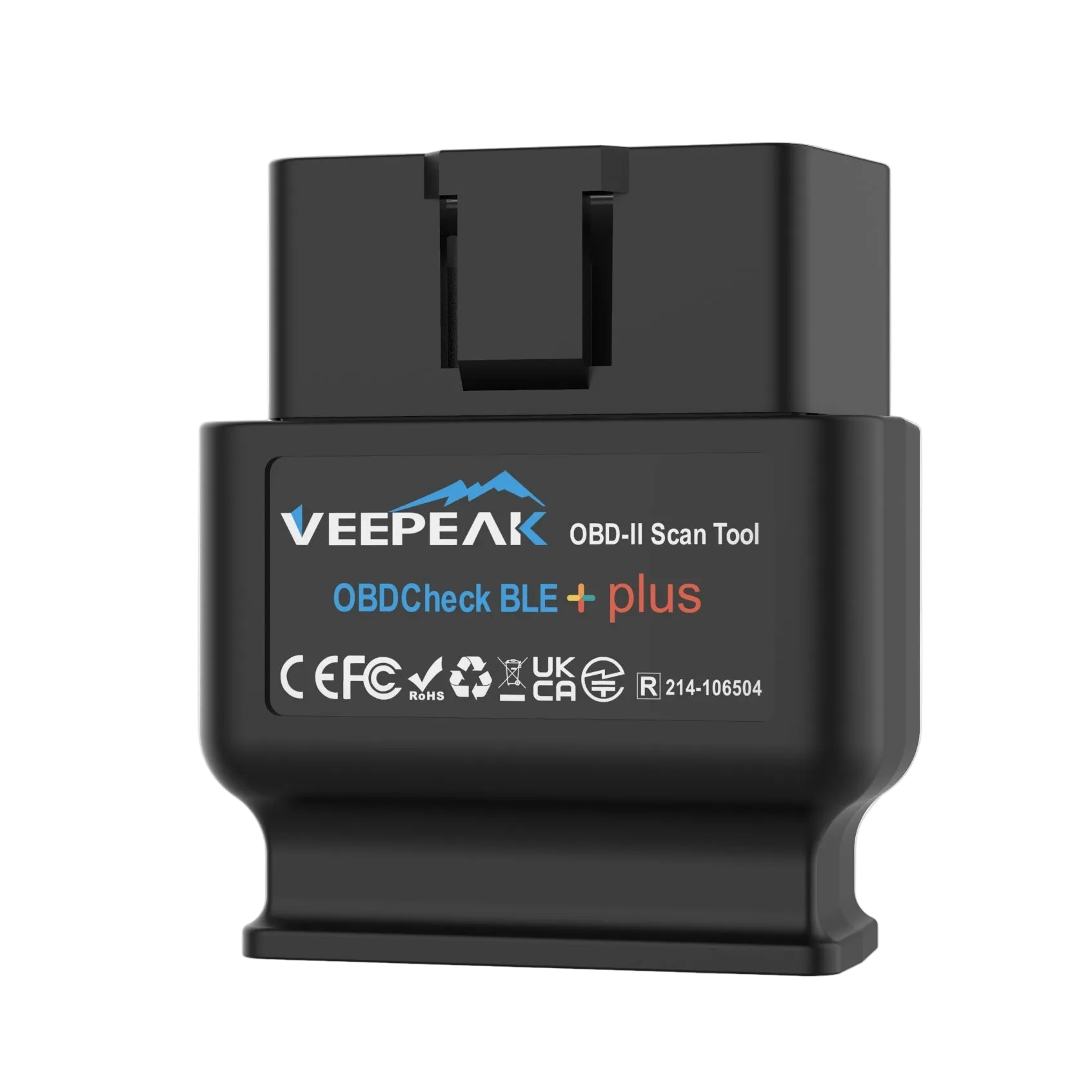
Veepeak OBDCheck BLE+
A budget-friendly app adapter when the buyer is comfortable choosing software separately and only needs supported OBD2 data.
- Best for
- Buyers who already know which compatible iOS or Android diagnostic app they plan to use.
- Check first
- The adapter does not include a universal diagnostic app, and advanced functions depend on the selected app and vehicle.
Compare fit and alternatives in Best OBD2 Scanner for DIY Mechanics.
How to choose
Match the tool to the job first. A cheap tool can be perfect for a simple code check and frustrating for ABS, SRS, TPMS, battery registration, or active tests. A high-end tool can also disappoint if its coverage does not include your exact vehicle.
- Write down the vehicle year, make, model, engine, and system.
- Check whether updates are free, paid, or subscription-based.
- Verify the return policy before testing compatibility.
- Prefer clear limitations over vague feature claims.
How we evaluate the shortlist
We separate manufacturer-documented capability from editorial fit. Compatibility, measurement limits, included hardware, software terms, support clarity, and the safer alternative all matter before hands-on evidence is available.
Read the testing methodRelated guides
OBD2 ABS and SRS Scanner Coverage Checklist
Choose an ABS/SRS scanner only after confirming the exact vehicle, module, code access, live data, and service function; generic OBD2 support does not prove ABS or airbag coverage.
OBD2 Scanner With ABS Reset: What It Means
“ABS reset” can mean clearing a repaired fault, calibrating a sensor, or running a bleed routine. Define the function and vehicle before buying a scanner.
ABS Code Reader Guide: Coverage Before Features
An ABS code reader must support the vehicle’s brake-control module, not just the OBD2 connector. Compare code access, data, reports, and repair verification.
Best ABS Scanner for DIY: Choose by Coverage
DIY buyers should choose an ABS scanner by the evidence and service function they need, then verify exact coverage before paying for broader tablet features.
Best Scanner for a Used-Car Inspection
A used-car scanner should preserve codes, readiness, freeze-frame, and useful live data before anything is cleared, without pretending to replace a full inspection.