What active tests do
An active test lets a scan tool command a supported actuator, relay, solenoid, fan, pump, or module routine. That can confirm whether the vehicle can respond to a command and whether the next test should focus on power, ground, wiring, control, or the component.
Useful examples
Common examples include EVAP purge command, cooling fan command, ABS bleed routines, injector balance support, throttle relearn, window or lock activation, and service reset procedures. The best function depends on your vehicle and the jobs you actually perform.
Feature-list trap
A broad bidirectional claim is weaker than a verified function for your exact system. Before buying, search the manufacturer coverage checker, ask support for a screenshot, and test the function during the return window.
Risk control
Command tests can move parts, pressurize systems, or change vehicle state. Use a charger when required, keep hands clear, and avoid commanding a circuit when you do not understand the consequence.
Frequently asked questions
Are active tests the same as bidirectional controls?
They are a major part of bidirectional control, although tools may label them active tests, actuator tests, or output controls.
Do active tests fix the car?
No. They help prove whether a system responds so you can choose the next test.
Which active tests should DIY users prioritize?
Prioritize the systems you service: ABS bleed, EVAP, fans, service resets, throttle relearn, or module-specific tests.
Best next page
Use the Bidirectional Scan Tools guide when this diagnostic path points to a purchase decision. Compare job fit, limitations, compatibility, and the cost of ownership before choosing a model.
Open Bidirectional Scan Tools guideRelated diagnostic guides
Continue with the closest compatibility, workflow, and buying questions for this tool family.
Tools to compare next
Bidirectional Scan Tools · $$$
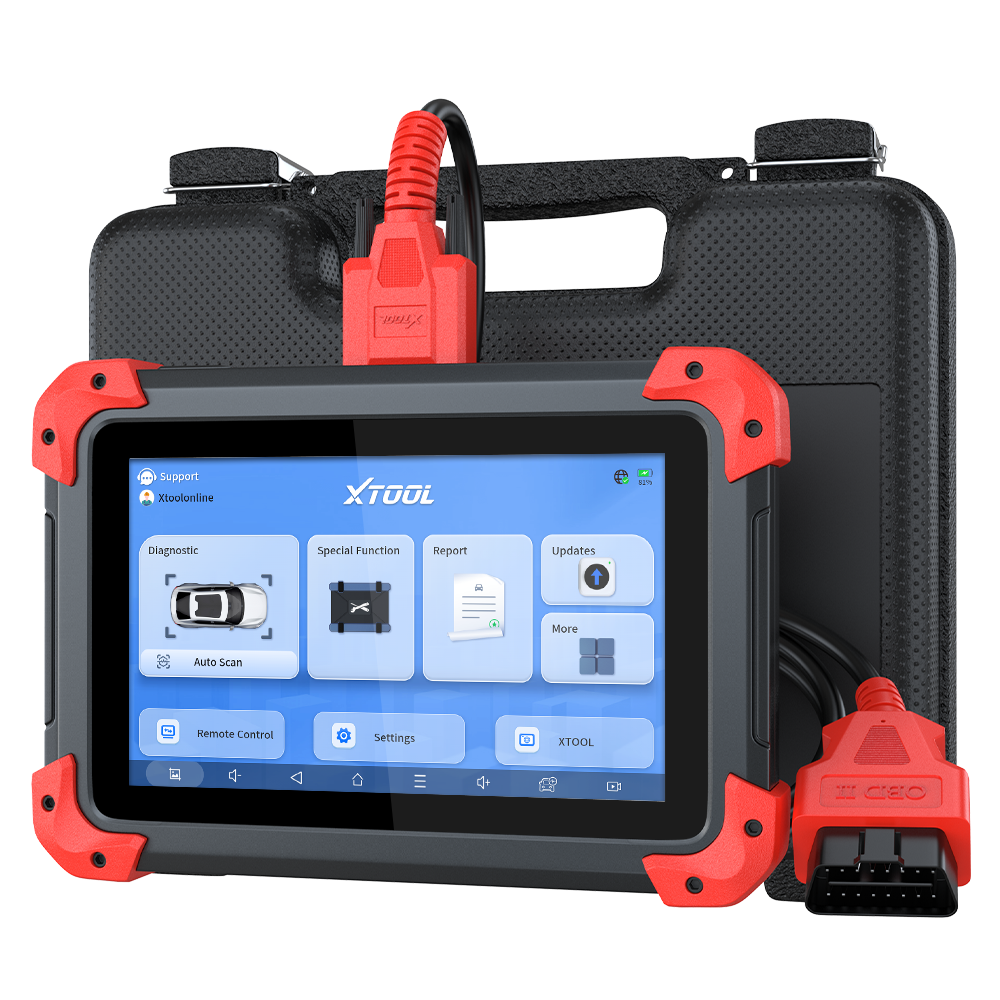
XTOOL D7
Shortlist the XTOOL D7 when a wired seven-inch tablet, bidirectional controls, report export, and broad service coverage fit the work; step down when codes and live data are enough.
- Best for
- Advanced DIY users and small shops that need documented all-system scans, live data, active tests, service functions, and shareable diagnostic reports.
- Check first
- XTOOL states that functions vary by manufacturer, model, year, and module. Confirm the exact active test, reset, protocol, and update term before buying.
Compare fit and alternatives in Best Bidirectional Scan Tool.
Bidirectional Scan Tools · $$$
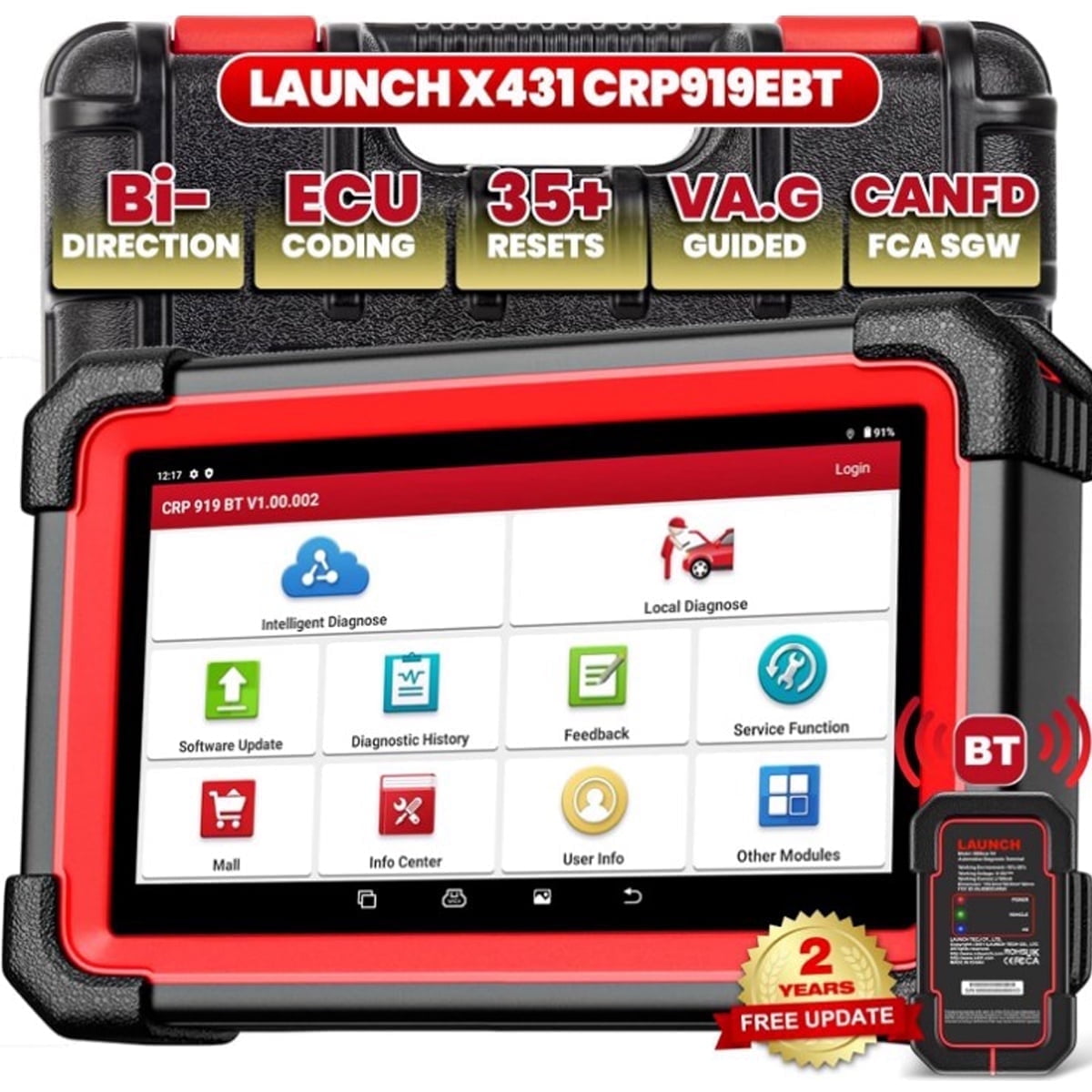
LAUNCH CRP919E
A comparison-page product for buyers deciding between Launch, Autel, XTOOL, and TOPDON style tools.
- Best for
- Users who want a tablet-style scanner with service functions.
- Check first
- Do not assume every function works on every vehicle. Verify coverage by year, make, model, and system.
Compare fit and alternatives in Best Bidirectional Scan Tool.
Bidirectional Scan Tools · $$
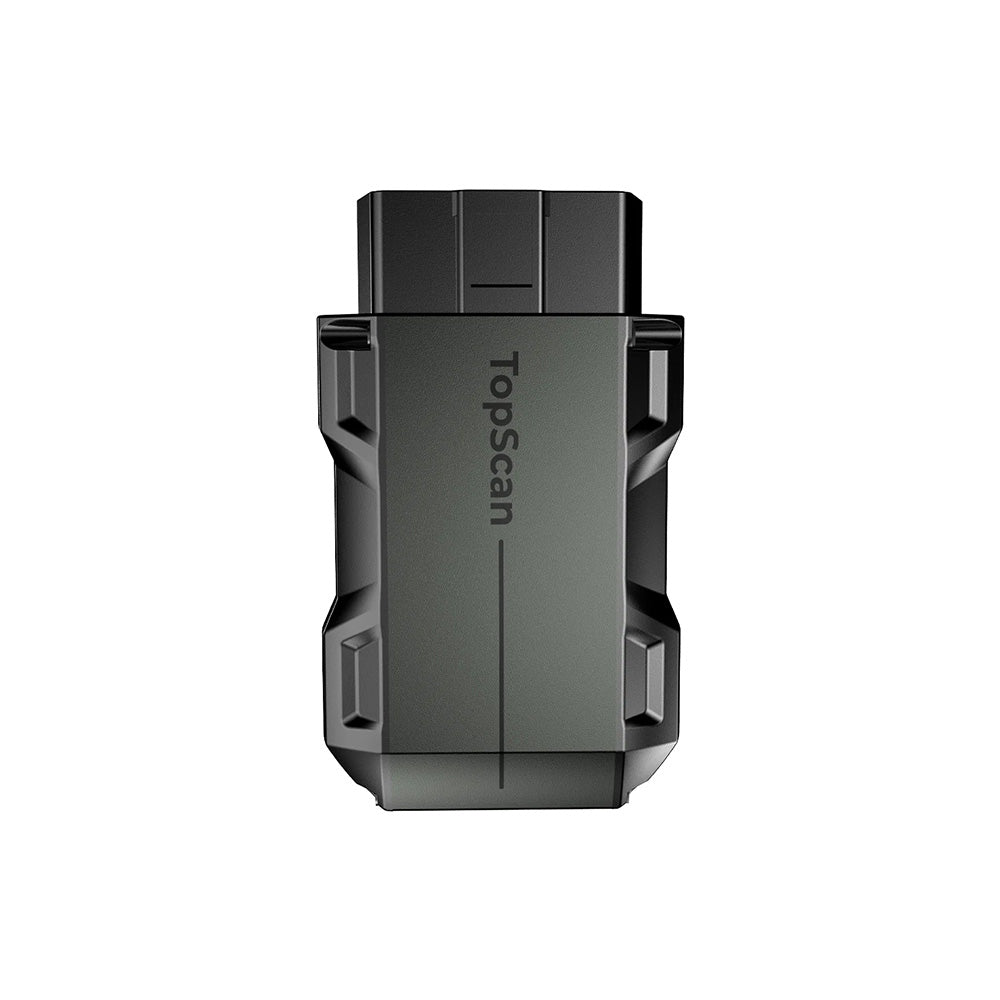
TOPDON TopScan
Useful for an app-first comparison against BlueDriver and budget handheld scanners.
- Best for
- People who want a compact scanner with more features than a basic dongle.
- Check first
- Check subscription terms, app fit, and the exact functions included.
Compare fit and alternatives in Best Bidirectional Scan Tool.
Bidirectional Scan Tools · $$$
Autel MaxiCOM MK808S
A strong midrange tablet candidate for buyers comparing Autel, Launch, TOPDON, and XTOOL.
- Best for
- Advanced DIY users or small shops wanting a stable diagnostic tablet.
- Check first
- Confirm active tests, resets, and update terms for your exact vehicle.
Compare fit and alternatives in Best Bidirectional Scan Tool.
Bidirectional Scan Tools · $$$$
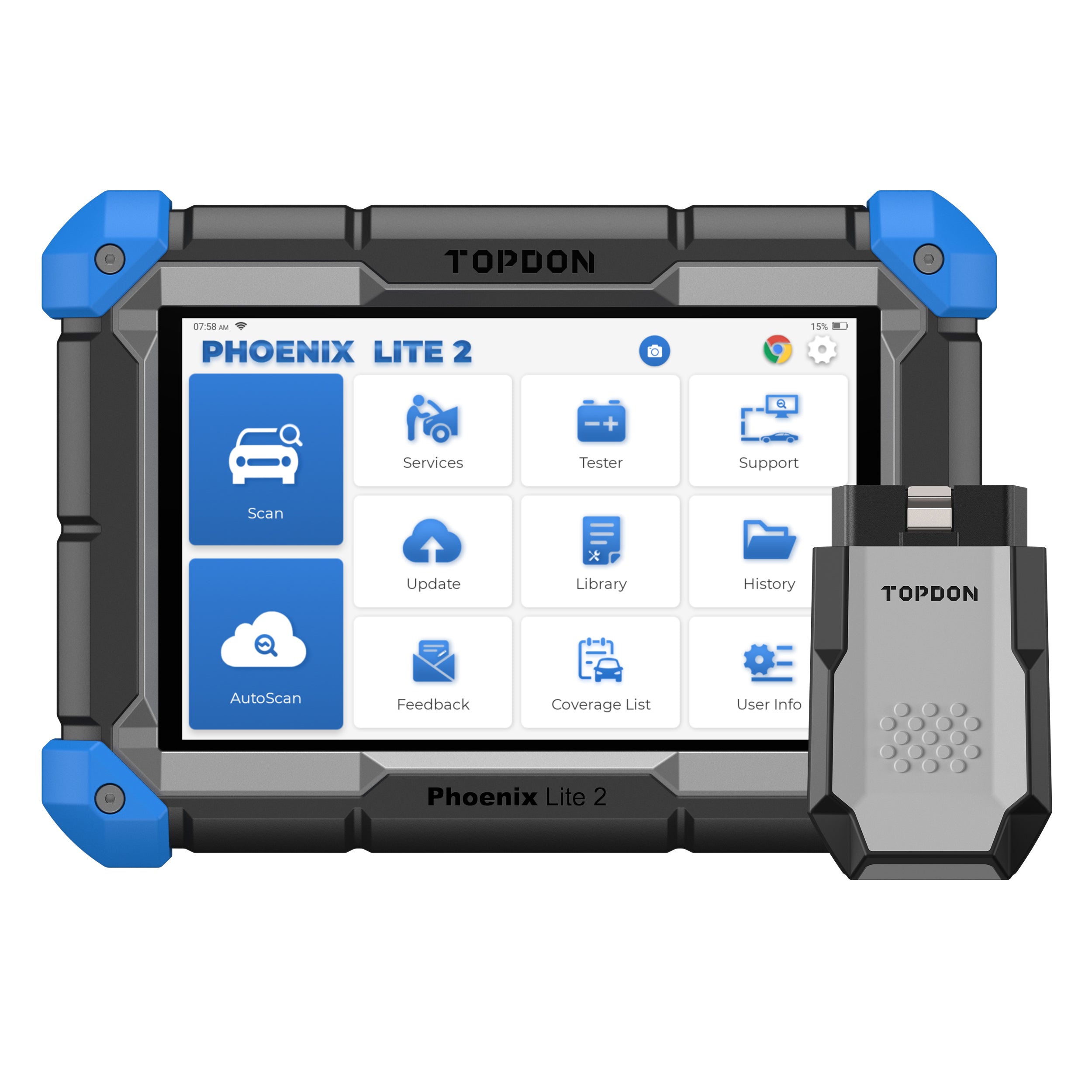
TOPDON Phoenix Lite 2
A higher-ticket comparison product for serious diagnostic-tablet pages.
- Best for
- Small shops that need a larger tablet, wireless VCI, and broad service functions.
- Check first
- Higher price and update terms make it more tool than most casual DIY users need.
Compare fit and alternatives in Best Bidirectional Scan Tool.

Bidirectional Scan Tools · $$$
TOPDON ArtiDiag900 Lite
A good under-$500-ish shortlist product for bidirectional scan tool content.
- Best for
- Advanced DIY users who want a wireless scan tablet below shop flagship pricing.
- Check first
- Subscription/update costs and vehicle-specific coverage need checking.
Compare fit and alternatives in Best Bidirectional Scan Tool.