The practical difference
A load test applies a heavy demand and watches voltage behavior. A conductance-style tester estimates state of health and CCA without the same heat and stress. Modern handheld testers are convenient, but the result still needs context from age, charge level, temperature, and symptoms.
When each helps
Use a conductance tester for quick screening, customer-style reports, and repeated checks. Use a load test or cranking test when the symptom happens under high current demand. Pair either result with charging-system checks before blaming the battery alone.
Buying checks
Compare supported battery types, CCA range, AGM support, cranking and charging tests, print or app reports, clamp quality, and cold-weather reliability. A clear pass/fail report is useful only when the inputs match the actual battery label.
Avoid false confidence
A weak battery can pass one quick check and fail under real conditions. Recharge and retest when state of charge is low, and inspect cable connections before replacing expensive parts.
Frequently asked questions
Is a conductance battery tester accurate?
It can be useful for screening, especially when the battery is charged and the correct rating is entered.
Is a load test better?
It is better for observing voltage under demand, but it is not the only useful battery-health check.
What should DIY mechanics buy?
A tester with battery type selection, CCA entry, cranking test, charging test, and clear reporting is the best starting point.
Best next page
Use the Car Battery Testers guide when this diagnostic path points to a purchase decision. Compare job fit, limitations, compatibility, and the cost of ownership before choosing a model.
Open Car Battery Testers guideRelated diagnostic guides
Continue with the closest compatibility, workflow, and buying questions for this tool family.
Tools to compare next
Car Battery Testers · $$
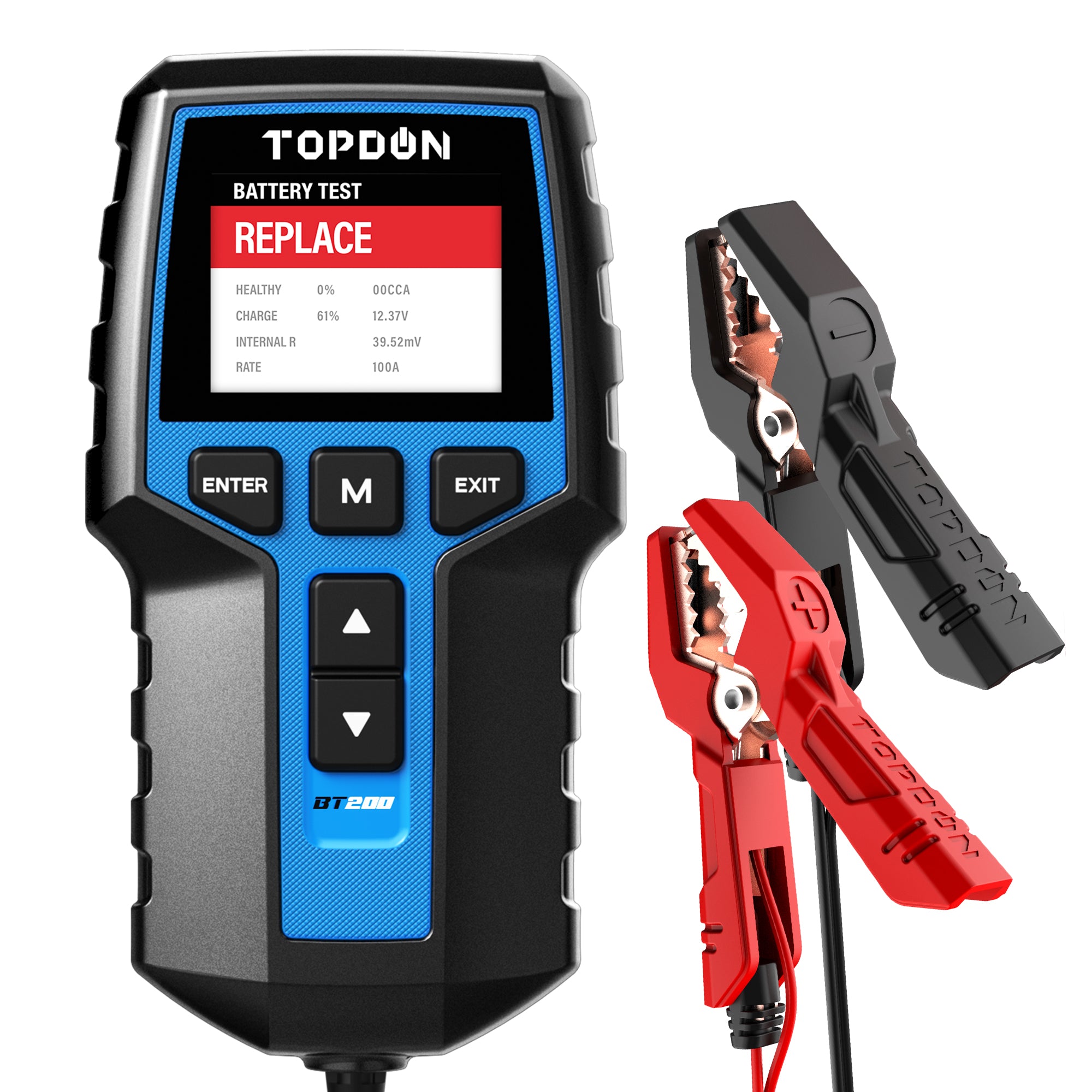
TOPDON BT200
A strong battery tester candidate for the first battery-testing roundup.
- Best for
- Checking battery health, cranking performance, and charging basics.
- Check first
- Match tester capability to battery type and CCA range.
Compare fit and alternatives in Best Car Battery Tester.

Car Battery Testers · $$
KONNWEI KW700
Good for comparison content around printed reports, CCA, and alternator tests.
- Best for
- Users who want a tester that can produce a record of battery condition.
- Check first
- Printer/report features should not matter more than accurate clamps and clear testing modes.
Compare fit and alternatives in Best Car Battery Tester.
Car Battery Testers · $
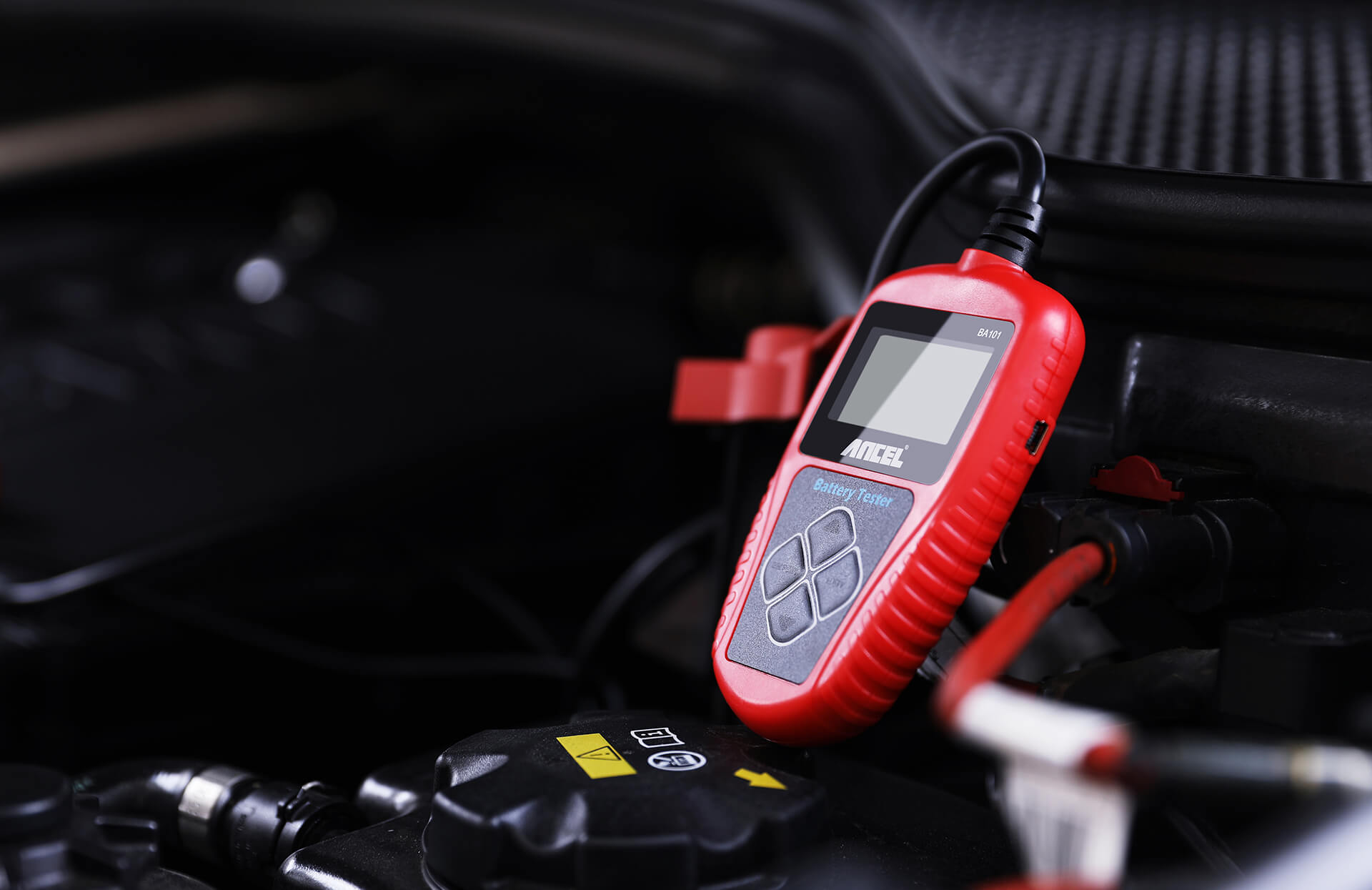
ANCEL BA101
A practical entry-level page candidate for no-start and battery health content.
- Best for
- Basic battery checks before replacing a battery or alternator.
- Check first
- Budget testers need careful clamp contact and correct battery settings.
Compare fit and alternatives in Best Car Battery Tester.

Car Battery Testers · $
TOPDON BT100
A strong entry battery tester with a clear buyer path from no-start guides.
- Best for
- Basic 12V battery, cranking, and charging checks.
- Check first
- For 24V or shop reporting needs, compare against BT200-class testers.
Compare fit and alternatives in Best Car Battery Tester.

Car Battery Testers · $$
FOXWELL BT705
A step-up battery tester candidate for home garages and light shop use.
- Best for
- Users who test both 12V and 24V batteries or want a sturdier analyzer.
- Check first
- Confirm supported chemistries and CCA range for larger batteries.
Compare fit and alternatives in Best Car Battery Tester.
Car Battery Testers · $
Clore SOLAR BA9
A sensible comparison product for budget battery tester roundups.
- Best for
- Compact battery checks without a large analyzer.
- Check first
- Small testers are best for quick decisions, not detailed fleet reports.
Compare fit and alternatives in Best Car Battery Tester.