The real difference
A multimeter can show voltage, resistance, and continuity with very little load. A test light shows whether a circuit can support a small load. That distinction matters because a circuit can show voltage on a meter and still fail when asked to do work.
When to use a multimeter
Use a multimeter for battery voltage, voltage drop, resistance checks, sensor references, continuity with power removed, and careful diagnosis around modules. It gives precise readings but requires interpretation.
When to use a test light
Use a test light on suitable power and ground circuits where loading the circuit is helpful. Avoid sensitive circuits unless the service information says it is safe.
Buying recommendation
Most DIY mechanics should own both: a decent digital multimeter and an appropriate automotive test light. Add a powered probe only when you understand where applying power or ground is safe.
Frequently asked questions
Is a multimeter better than a test light?
It is better for precise measurement, but a test light is better for checking whether a circuit can carry load.
Can a test light damage electronics?
It can on sensitive circuits. Use it only where the vehicle procedure allows.
What should beginners buy first?
A digital multimeter is the safer first electrical tool, followed by a suitable automotive test light.
Best next page
Use the Circuit Testers guide when this diagnostic path points to a purchase decision. Compare job fit, limitations, compatibility, and the cost of ownership before choosing a model.
Open Circuit Testers guideRelated diagnostic guides
Continue with the closest compatibility, workflow, and buying questions for this tool family.
Tools to compare next
Car Battery Testers · $$
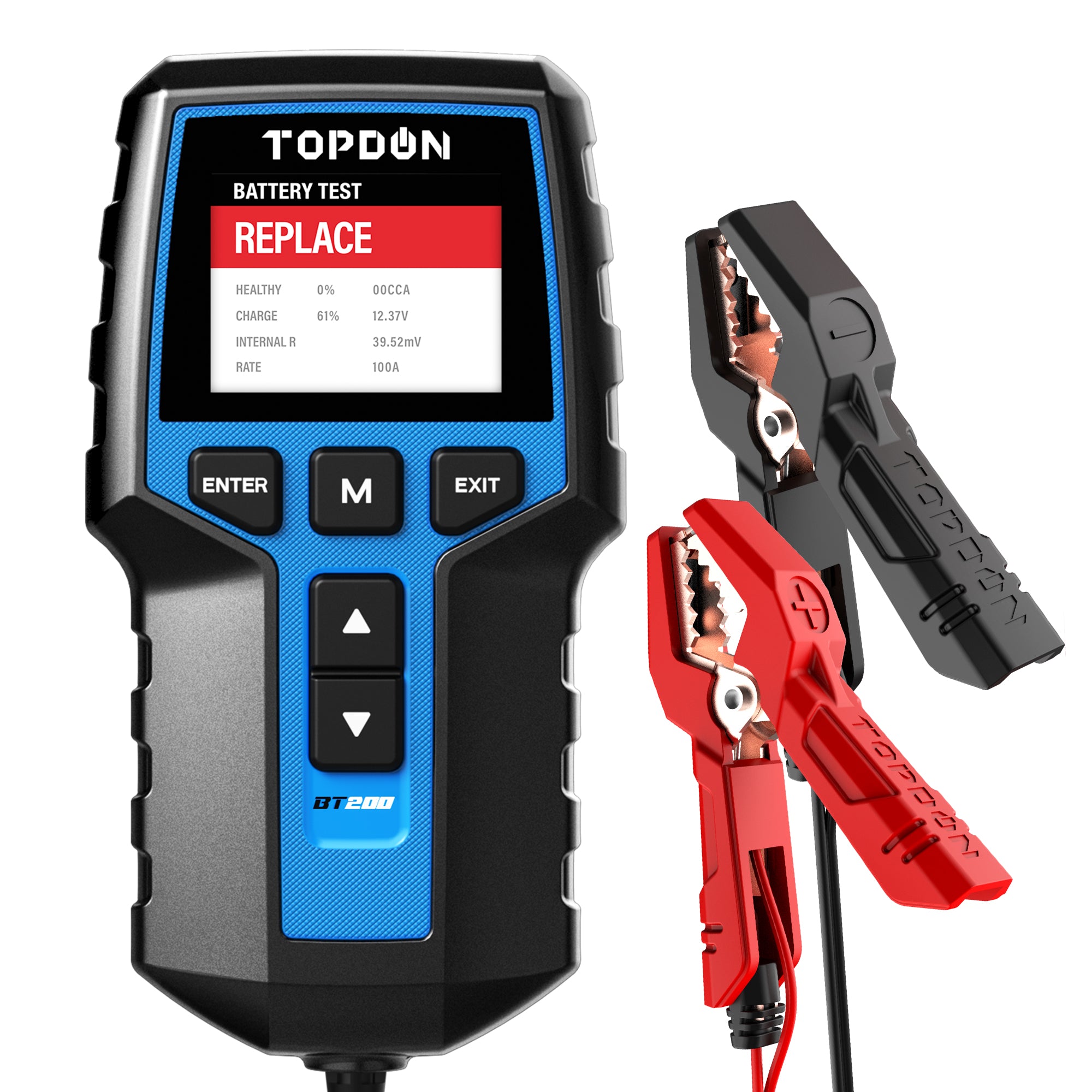
TOPDON BT200
A strong battery tester candidate for the first battery-testing roundup.
- Best for
- Checking battery health, cranking performance, and charging basics.
- Check first
- Match tester capability to battery type and CCA range.
Compare fit and alternatives in Best Car Battery Tester.

Car Battery Testers · $$
KONNWEI KW700
Good for comparison content around printed reports, CCA, and alternator tests.
- Best for
- Users who want a tester that can produce a record of battery condition.
- Check first
- Printer/report features should not matter more than accurate clamps and clear testing modes.
Compare fit and alternatives in Best Car Battery Tester.
Car Battery Testers · $
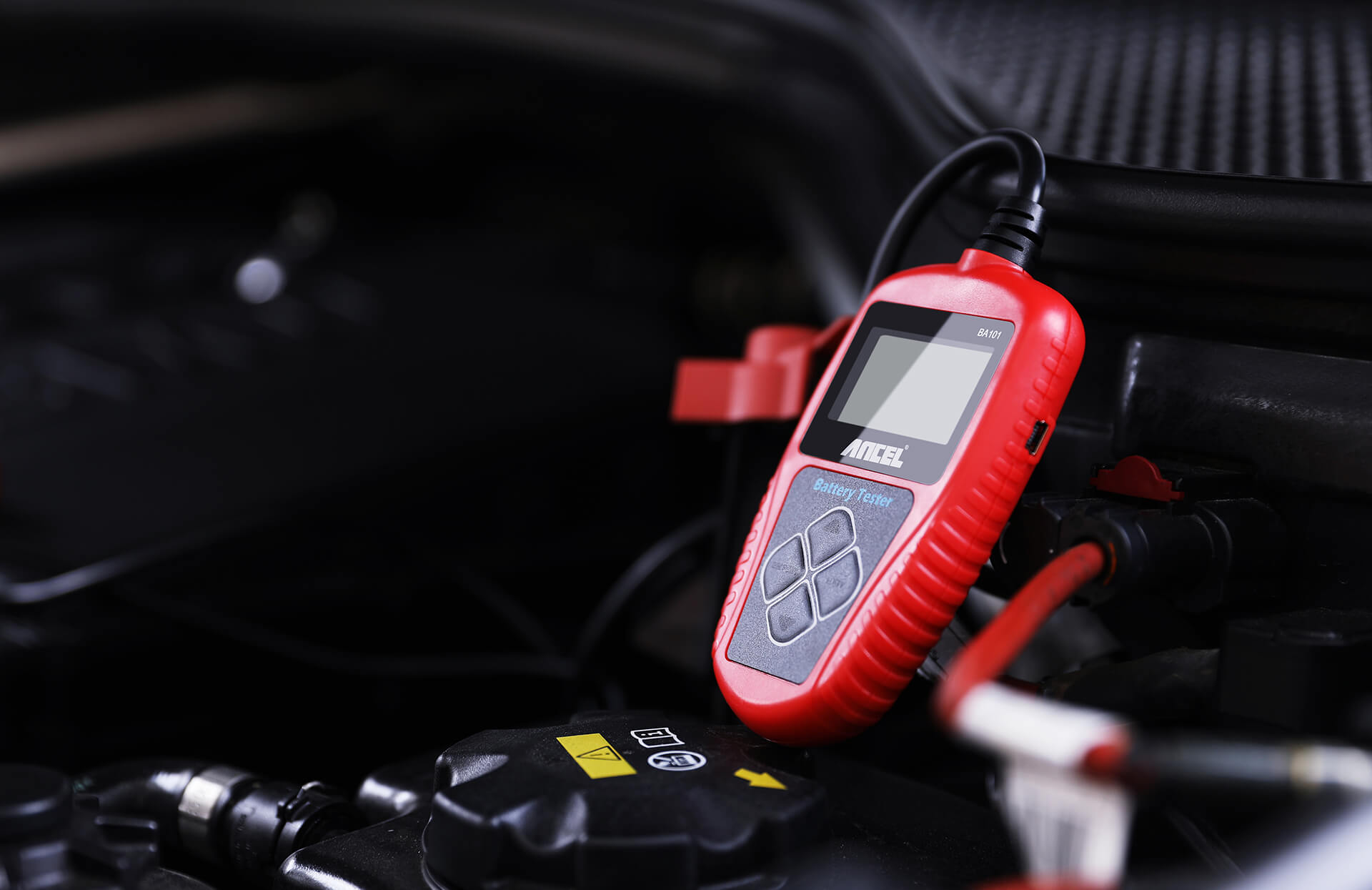
ANCEL BA101
A practical entry-level page candidate for no-start and battery health content.
- Best for
- Basic battery checks before replacing a battery or alternator.
- Check first
- Budget testers need careful clamp contact and correct battery settings.
Compare fit and alternatives in Best Car Battery Tester.

Circuit Testers · $$
Power Probe III
A strong product for electrical diagnosis content, but it needs safety-first framing.
- Best for
- Fast power, ground, and component activation checks.
- Check first
- A powered probe can damage circuits if used carelessly. Learn the tool first.
Compare fit and alternatives in Best Automotive Circuit Tester.
Circuit Testers · $
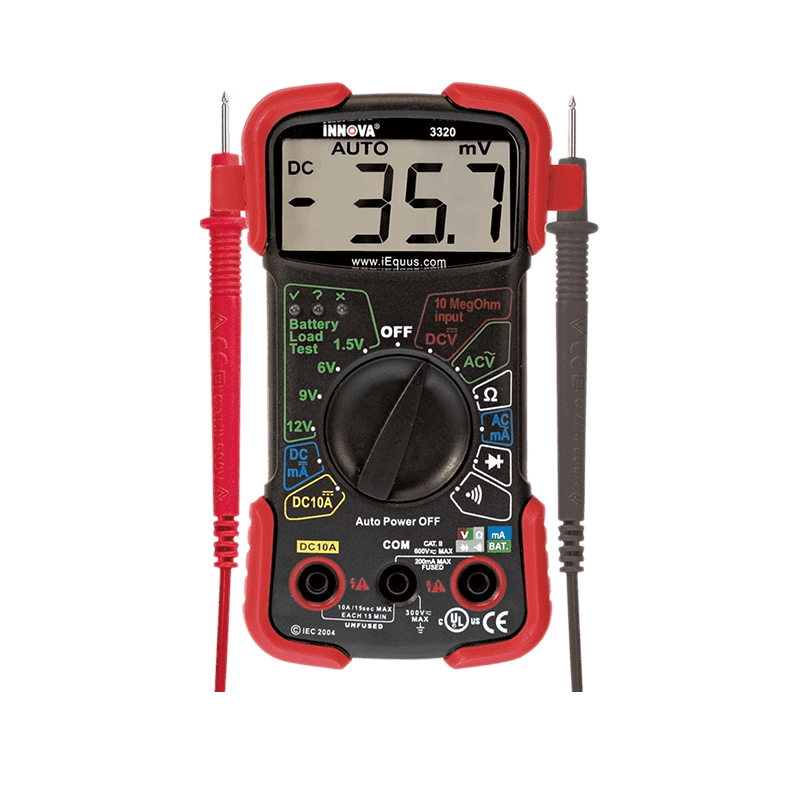
Innova 3320
A good entry product for no-start, charging, and parasitic draw guides.
- Best for
- Basic voltage, resistance, fuse, and battery checks.
- Check first
- A multimeter is powerful, but the user must know where and how to measure.
Compare fit and alternatives in Best Automotive Circuit Tester.

Car Battery Testers · $
TOPDON BT100
A strong entry battery tester with a clear buyer path from no-start guides.
- Best for
- Basic 12V battery, cranking, and charging checks.
- Check first
- For 24V or shop reporting needs, compare against BT200-class testers.
Compare fit and alternatives in Best Car Battery Tester.