The short answer
Oil reset needs range from dashboard button procedures to scanner service functions; buy the smallest tool that supports the vehicle and reset type. Diagnostic Tool Lab treats this as a compatibility-first buying decision, not a promise that one scanner can run every service function on every vehicle.
Where this function fits
Use this when a maintenance light, oil-life reset, or service interval reset is the main purchase driver.
Buyer-fit checklist
Check whether the vehicle has a manual dashboard reset, whether the scanner supports oil/service reset, update terms, app costs, and exact model coverage.
Where competitors are weak
Service-reset pages often push advanced scanners when many buyers only need a simple supported reset path. This page puts the diagnostic symptom or buying constraint first, then routes to the smallest suitable tool category and exact product brief.
Before the retailer click
Open the manufacturer coverage lookup when available, save screenshots or support replies, confirm software/update terms, and use the return window to prove the function on the actual vehicle before relying on it for a safety-critical or immobilizer-related job.
Frequently asked questions
Can one scanner guarantee this service function on every vehicle?
No. Service functions depend on vehicle year, make, model, engine, module, region, software version, security gateway, and sometimes paid updates or tokens.
Should I buy by the feature list?
No. Buy by the exact function and vehicle you need to support, then verify it during the return window.
What is the safest next step?
Write down the vehicle and job, check coverage, confirm limitations, and choose the smallest tool category that can prove the next diagnostic step.
Best next page
Use the OBD2 Scanners guide when this diagnostic path points to a purchase decision. Compare job fit, limitations, compatibility, and the cost of ownership before choosing a model.
Open OBD2 Scanners guideRelated diagnostic guides
Continue with the closest compatibility, workflow, and buying questions for this tool family.
Tools to compare next
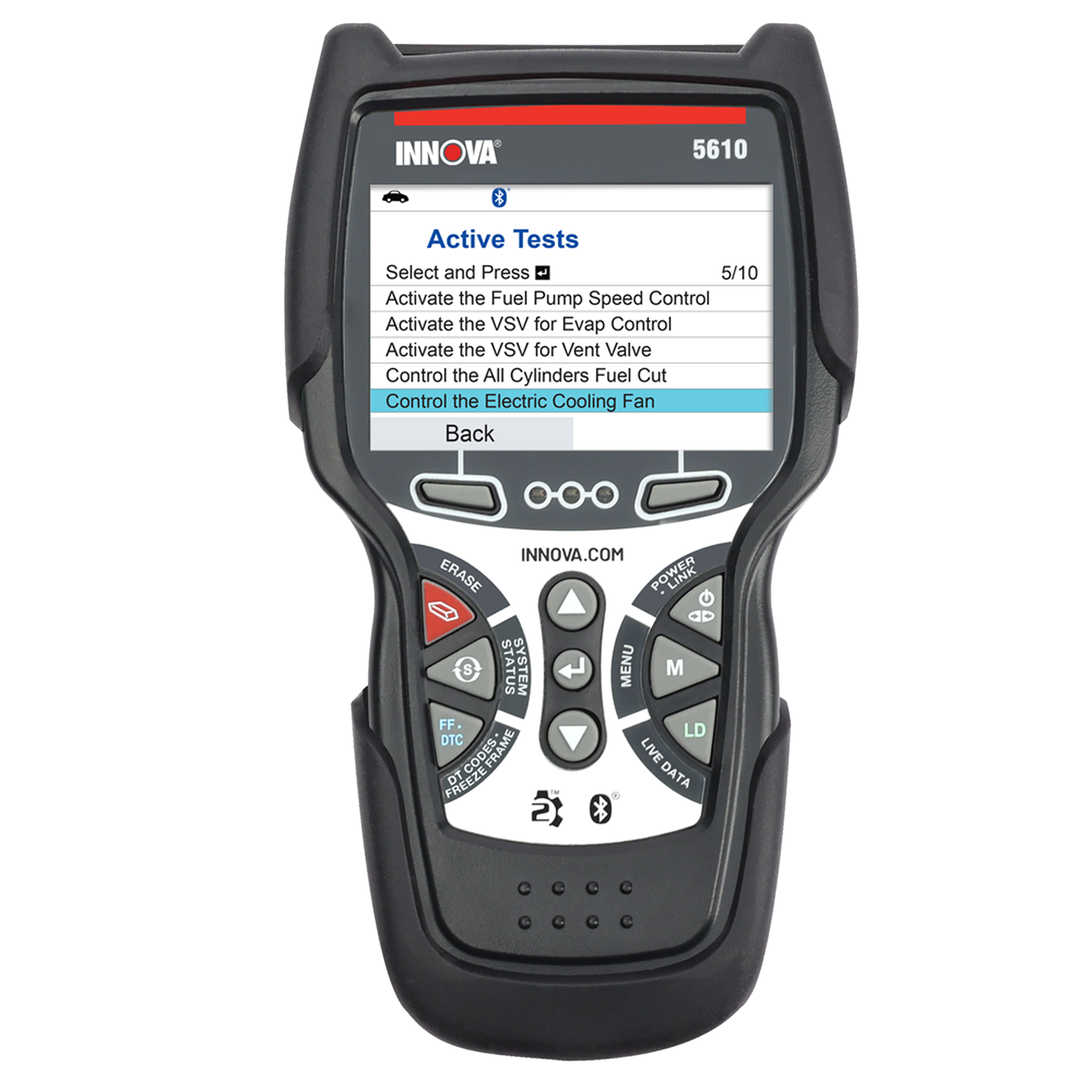
OBD2 Scanners · $$$
Innova 5610
Worth shortlisting when you want ABS/SRS style depth without jumping into shop-level scan tools.
- Best for
- DIY users who want a broader feature set than a basic reader.
- Check first
- Advanced functions can vary by vehicle. Check module and service coverage first.
Compare fit and alternatives in Best OBD2 Scanner for DIY Mechanics.
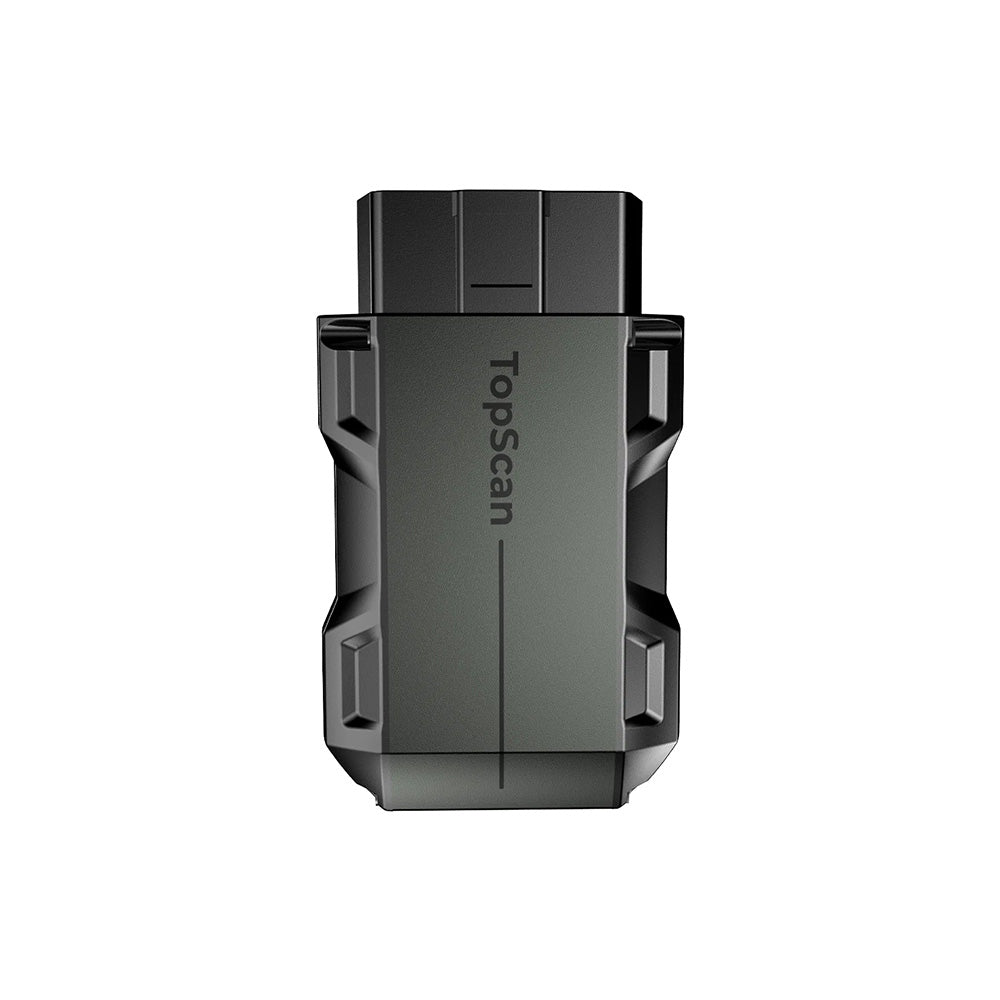
Bidirectional Scan Tools · $$
TOPDON TopScan
Useful for an app-first comparison against BlueDriver and budget handheld scanners.
- Best for
- People who want a compact scanner with more features than a basic dongle.
- Check first
- Check subscription terms, app fit, and the exact functions included.
Compare fit and alternatives in Best Bidirectional Scan Tool.
Bidirectional Scan Tools · $$$
Autel MaxiCOM MK808S
A strong midrange tablet candidate for buyers comparing Autel, Launch, TOPDON, and XTOOL.
- Best for
- Advanced DIY users or small shops wanting a stable diagnostic tablet.
- Check first
- Confirm active tests, resets, and update terms for your exact vehicle.
Compare fit and alternatives in Best Bidirectional Scan Tool.
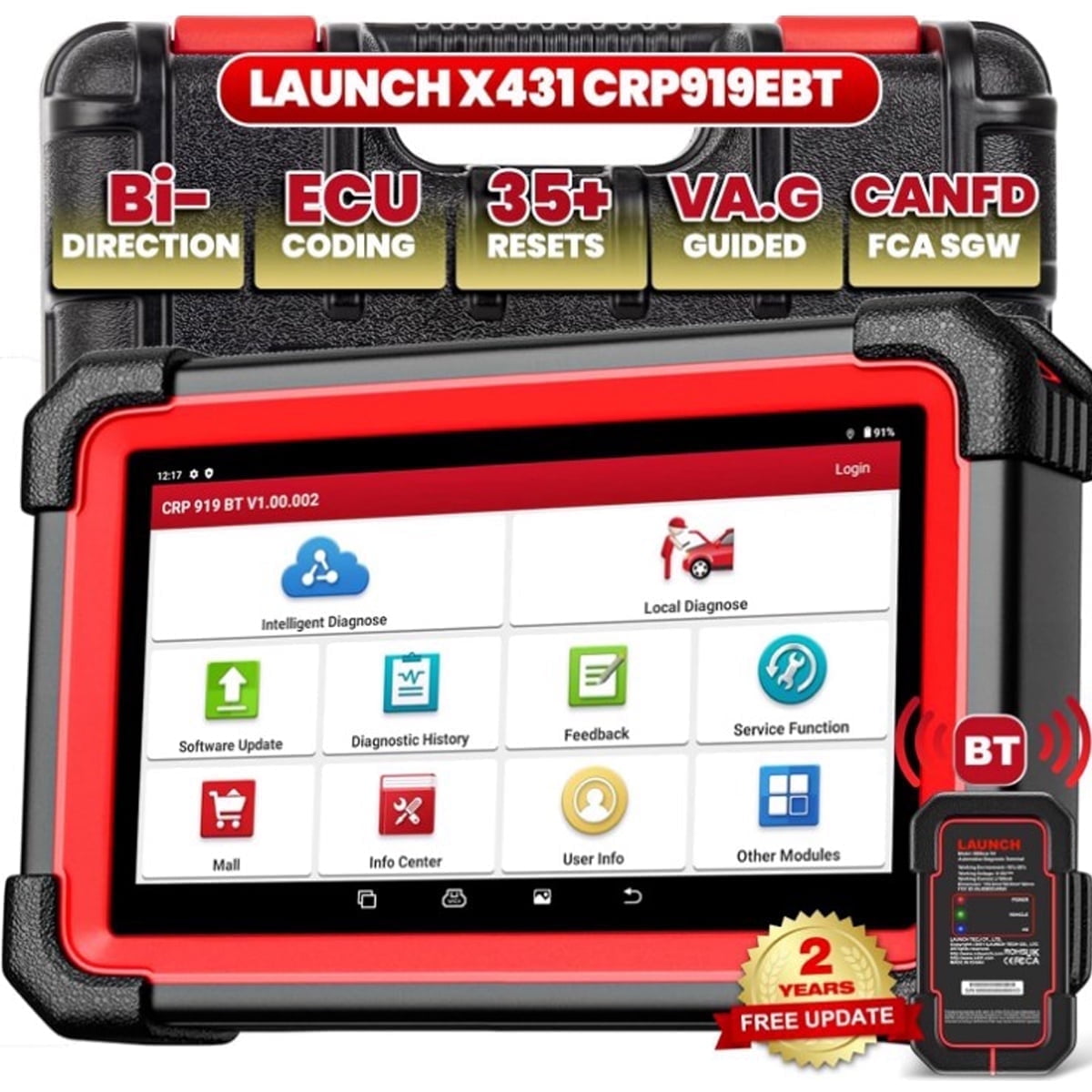
Bidirectional Scan Tools · $$$
LAUNCH CRP919E
A comparison-page product for buyers deciding between Launch, Autel, XTOOL, and TOPDON style tools.
- Best for
- Users who want a tablet-style scanner with service functions.
- Check first
- Do not assume every function works on every vehicle. Verify coverage by year, make, model, and system.
Compare fit and alternatives in Best Bidirectional Scan Tool.
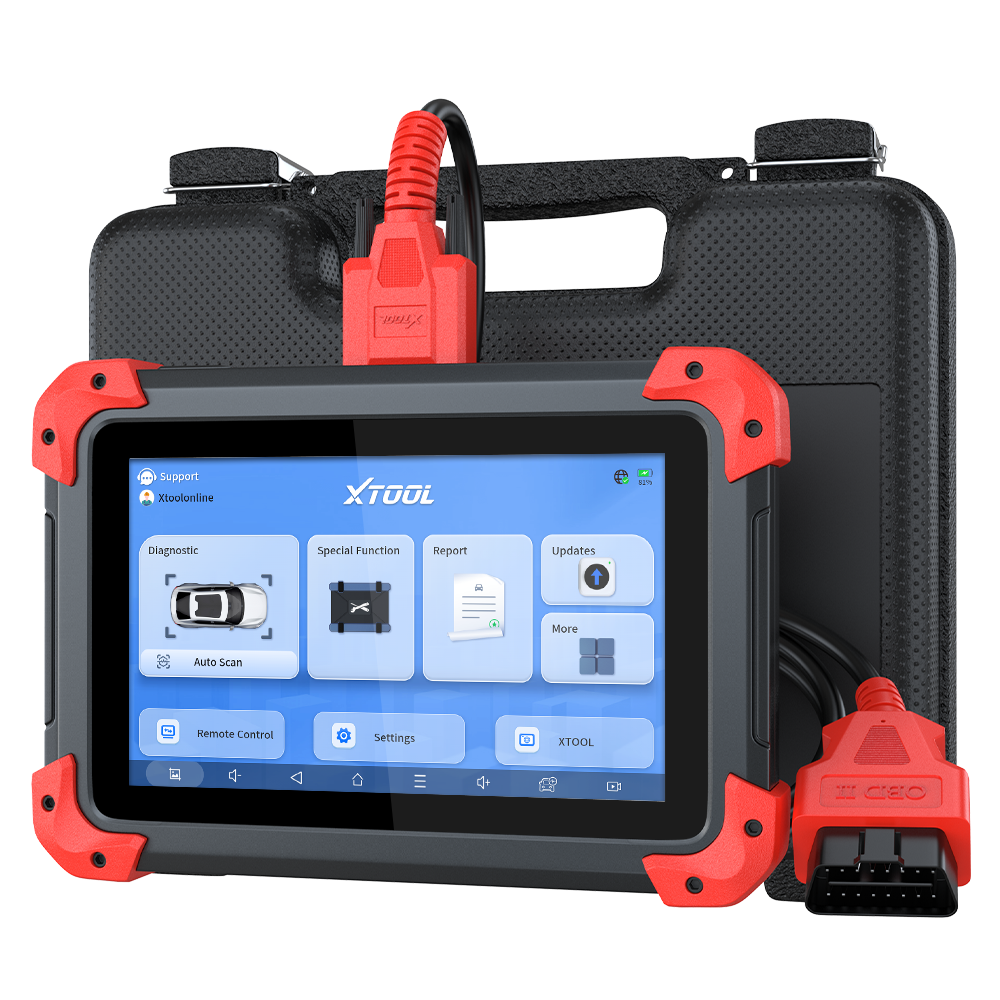
Bidirectional Scan Tools · $$$
XTOOL D7
Shortlist the XTOOL D7 when a wired seven-inch tablet, bidirectional controls, report export, and broad service coverage fit the work; step down when codes and live data are enough.
- Best for
- Advanced DIY users and small shops that need documented all-system scans, live data, active tests, service functions, and shareable diagnostic reports.
- Check first
- XTOOL states that functions vary by manufacturer, model, year, and module. Confirm the exact active test, reset, protocol, and update term before buying.
Compare fit and alternatives in Best Bidirectional Scan Tool.
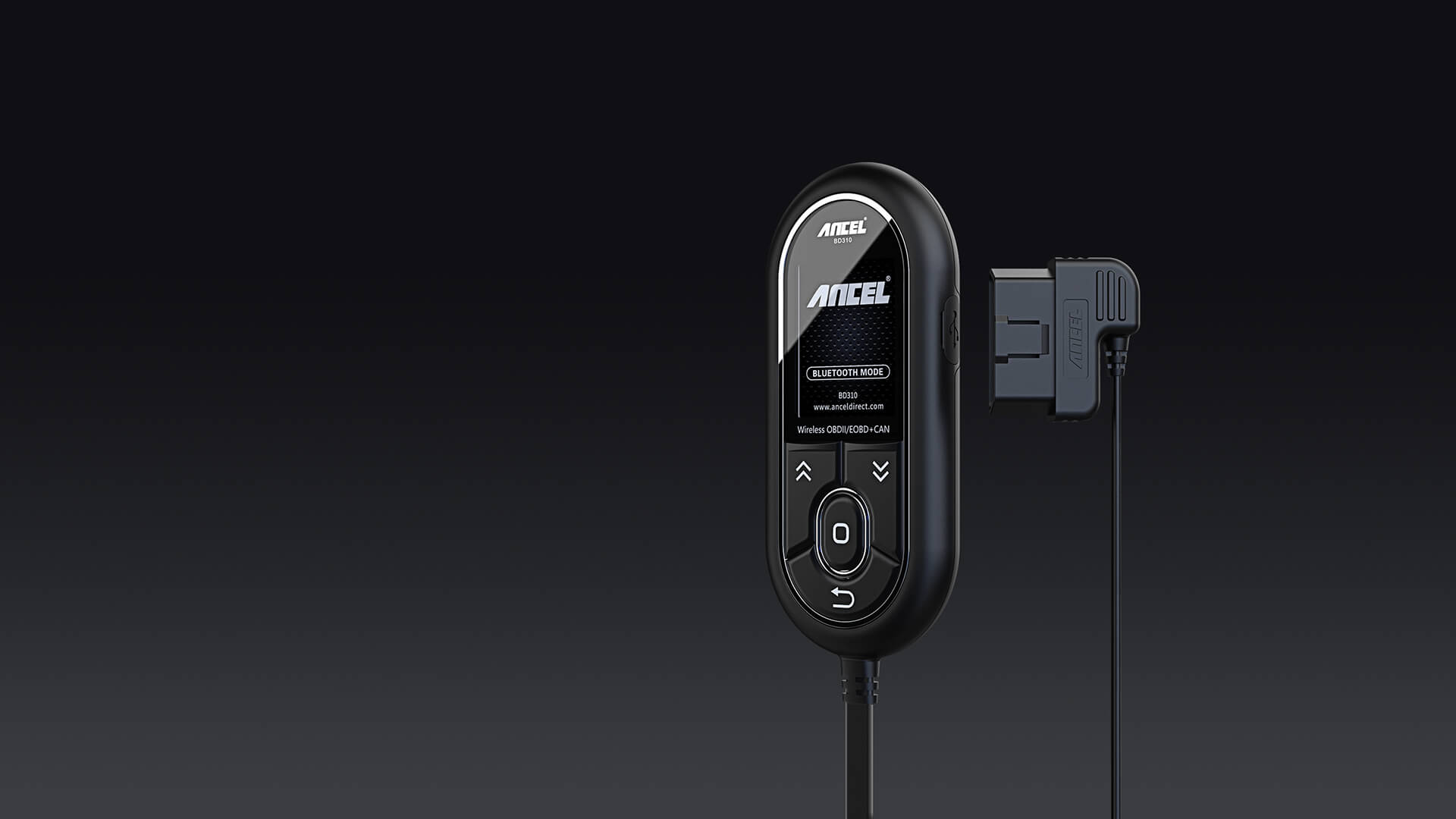
OBD2 Scanners · $$
ANCEL BD310
A sensible starter candidate for check engine light work when you want more than the cheapest code reader.
- Best for
- Drivers who want a simple handheld screen plus app support.
- Check first
- Confirm your phone compatibility and the functions you need before buying.
Compare fit and alternatives in Best OBD2 Scanner for DIY Mechanics.