How reverse bleeding works
Instead of pulling or pushing fluid from the reservoir downward, reverse bleeding pushes clean brake fluid from the bleeder screw toward the master cylinder. The idea is to move air in the direction it naturally wants to travel.
When it helps
Reverse bleeding may help with stubborn air pockets, clutch hydraulics, or systems where traditional bleeding is slow. It is not automatically better for every vehicle, and it can be wrong if the procedure warns against it.
Tool checks
Compare fluid compatibility, pressure control, hose sealing, reservoir overflow control, check valves, and how easy the kit is to clean. Contaminated brake fluid or dirty equipment can create a bigger problem than the original soft pedal.
ABS and safety
Some ABS systems need scan-tool procedures. Stop if warnings remain, the pedal stays soft, or the reservoir overflows. Brake bleeding is one of those jobs where slow and correct beats clever.
Frequently asked questions
Is reverse brake bleeding better?
It can help in some stubborn cases, but the vehicle procedure decides whether it is appropriate.
Can reverse bleeding damage ABS?
Using the wrong method or dirty fluid can create problems. Follow the service information.
What tool do I need?
A reverse bleeder kit with compatible fluid path, good seals, pressure control, and clean hoses.
Best next page
Use the Brake Bleeder Kits guide when this diagnostic path points to a purchase decision. Compare job fit, limitations, compatibility, and the cost of ownership before choosing a model.
Open Brake Bleeder Kits guideRelated diagnostic guides
Continue with the closest compatibility, workflow, and buying questions for this tool family.
Tools to compare next
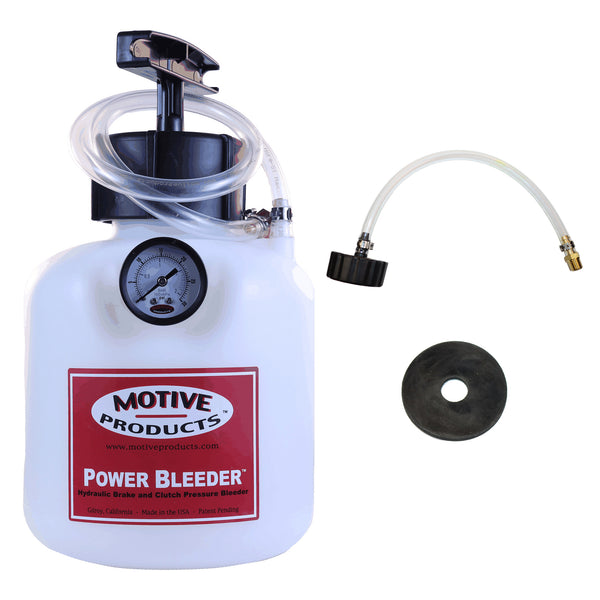
Brake Bleeder Kits · $$
Motive Products 0100 European Power Bleeder
A cornerstone product for the pressure vs vacuum brake bleeder page.
- Best for
- One-person pressure bleeding on supported European reservoirs using the included adapter.
- Check first
- The 0100 adapter is vehicle-specific. Verify the reservoir neck before ordering.
Compare fit and alternatives in Best Brake Bleeder Kit.
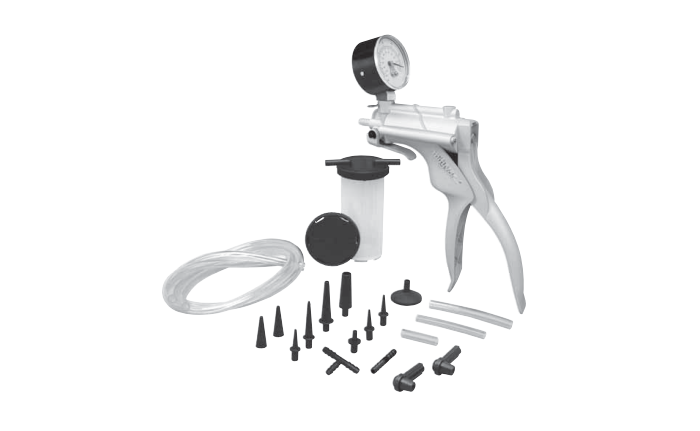
Brake Bleeder Kits · $
Mityvac MV8000
Useful for explaining when vacuum kits are enough and when pressure bleeding is cleaner.
- Best for
- Vacuum bleeding and light diagnostic vacuum tasks.
- Check first
- Vacuum bleeding can pull air around bleeder screw threads and confuse beginners.
Compare fit and alternatives in Best Brake Bleeder Kit.

Brake Bleeder Kits · $$
Mityvac MV8500
A premium vacuum alternative to MV8000 and pressure bleeders.
- Best for
- Users who want a premium hand vacuum pump that can do brake and diagnostic vacuum tasks.
- Check first
- Vacuum bleeding can show false bubbles at loose bleeder threads.
Compare fit and alternatives in Best Brake Bleeder Kit.
Brake Bleeder Kits · $
Capri Tools CP21029
A lower-cost vacuum kit for brake bleeder comparisons.
- Best for
- Budget vacuum bleeding and one-person brake service.
- Check first
- Check fittings and reservoir capacity before planning a full flush.
Compare fit and alternatives in Best Brake Bleeder Kit.

Brake Bleeder Kits · $$$
Mityvac MV6840
A pressure-bleeding system to compare with hand-pump and vacuum kits when repeat service and fluid handling matter.
- Best for
- Repeat pressure-bleeding work where controlled fluid delivery and the correct reservoir adapter are available.
- Check first
- Reservoir adapter fit and the vehicle bleed procedure are decisive; some ABS routines also require a scan tool.
Compare fit and alternatives in Best Brake Bleeder Kit.