EVAP testing is low pressure
EVAP systems are not built for high pressure. Use the smoke machine within the tool and vehicle limits, and do not substitute shop air pressure unless the machine is designed to regulate it safely.
Adapter choices
Common connections include service ports, hose adapters, cone adapters, and cap adapters. The right adapter depends on the vehicle and the leak area. A good kit should seal without forcing fragile plastic fittings.
What smoke can prove
Smoke can reveal cracked hoses, loose caps, leaking purge or vent paths, tank-area leaks, and intake/vacuum leaks depending on setup. It does not automatically identify whether a valve is commanded correctly.
Buying filter
Compare built-in pump, pressure gauge, flow meter, EVAP-safe pressure, smoke fluid requirements, hose length, adapter set, and parts availability. Avoid vague listings that do not name pressure control.
Frequently asked questions
Can any smoke machine test EVAP leaks?
No. It must support low-pressure EVAP-safe testing and the right adapters.
Do I need a built-in pump?
A built-in pump is convenient when shop air is unavailable, but pressure control matters more.
Can smoke testing damage EVAP parts?
Yes if pressure is too high or the wrong connection is used.
Best next page
Use the Automotive Smoke Machines guide when this diagnostic path points to a purchase decision. Compare job fit, limitations, compatibility, and the cost of ownership before choosing a model.
Open Automotive Smoke Machines guideRelated diagnostic guides
Continue with the closest compatibility, workflow, and buying questions for this tool family.
Tools to compare next
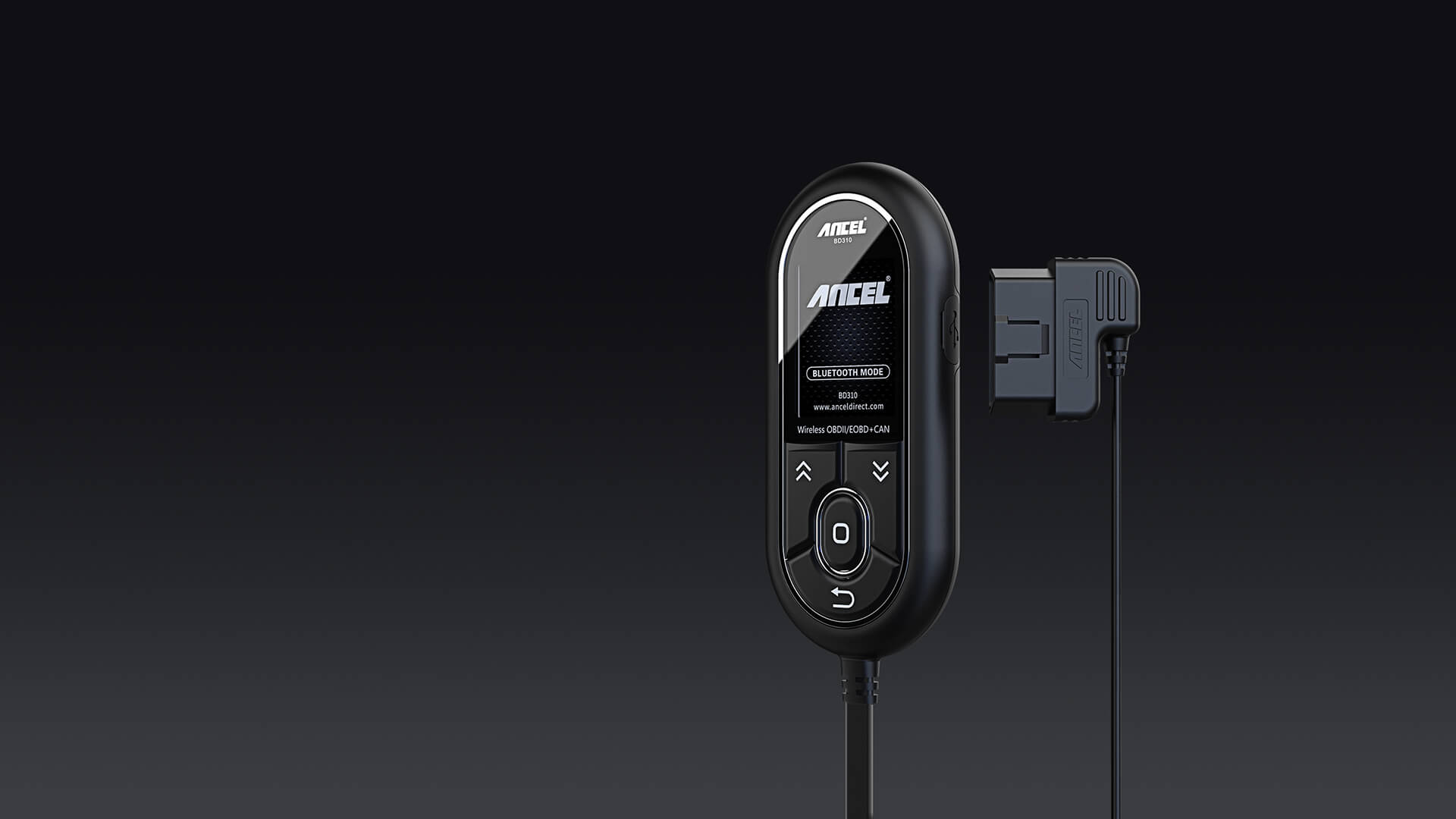
OBD2 Scanners · $$
ANCEL BD310
A sensible starter candidate for check engine light work when you want more than the cheapest code reader.
- Best for
- Drivers who want a simple handheld screen plus app support.
- Check first
- Confirm your phone compatibility and the functions you need before buying.
Compare fit and alternatives in Best OBD2 Scanner for DIY Mechanics.
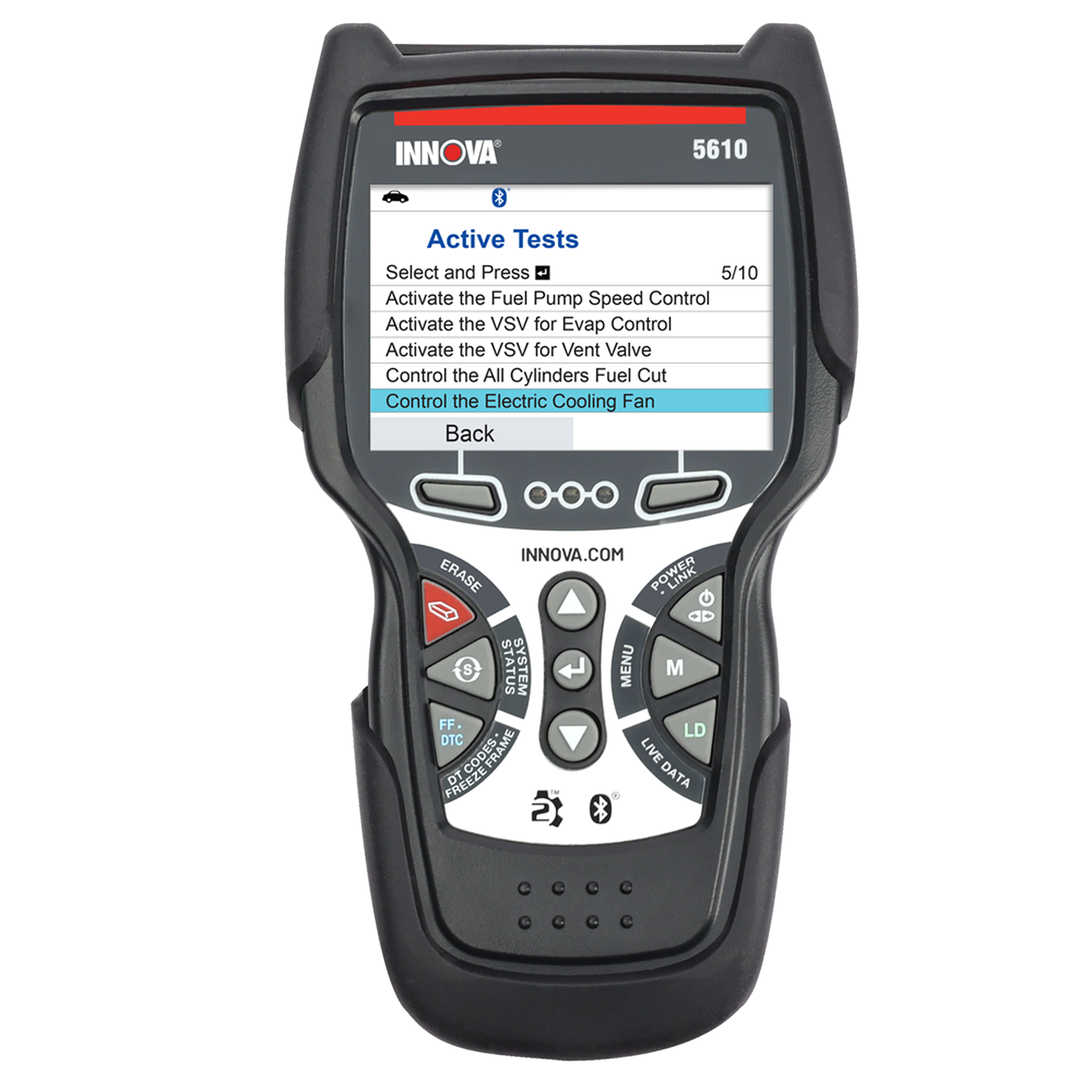
OBD2 Scanners · $$$
Innova 5610
Worth shortlisting when you want ABS/SRS style depth without jumping into shop-level scan tools.
- Best for
- DIY users who want a broader feature set than a basic reader.
- Check first
- Advanced functions can vary by vehicle. Check module and service coverage first.
Compare fit and alternatives in Best OBD2 Scanner for DIY Mechanics.
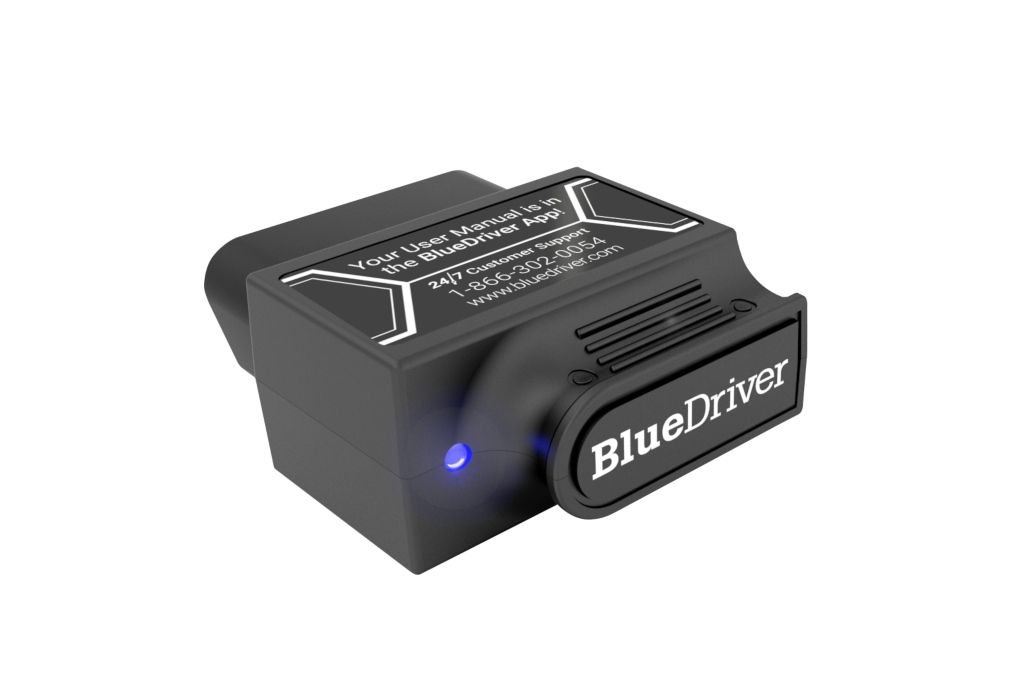
OBD2 Scanners · $$
BlueDriver Pro
A strong candidate for people who would rather use a phone than a handheld scanner.
- Best for
- Phone-first users who prefer app-guided diagnostics.
- Check first
- It is app-dependent, so phone support and update quality matter.
Compare fit and alternatives in Best OBD2 Scanner for DIY Mechanics.
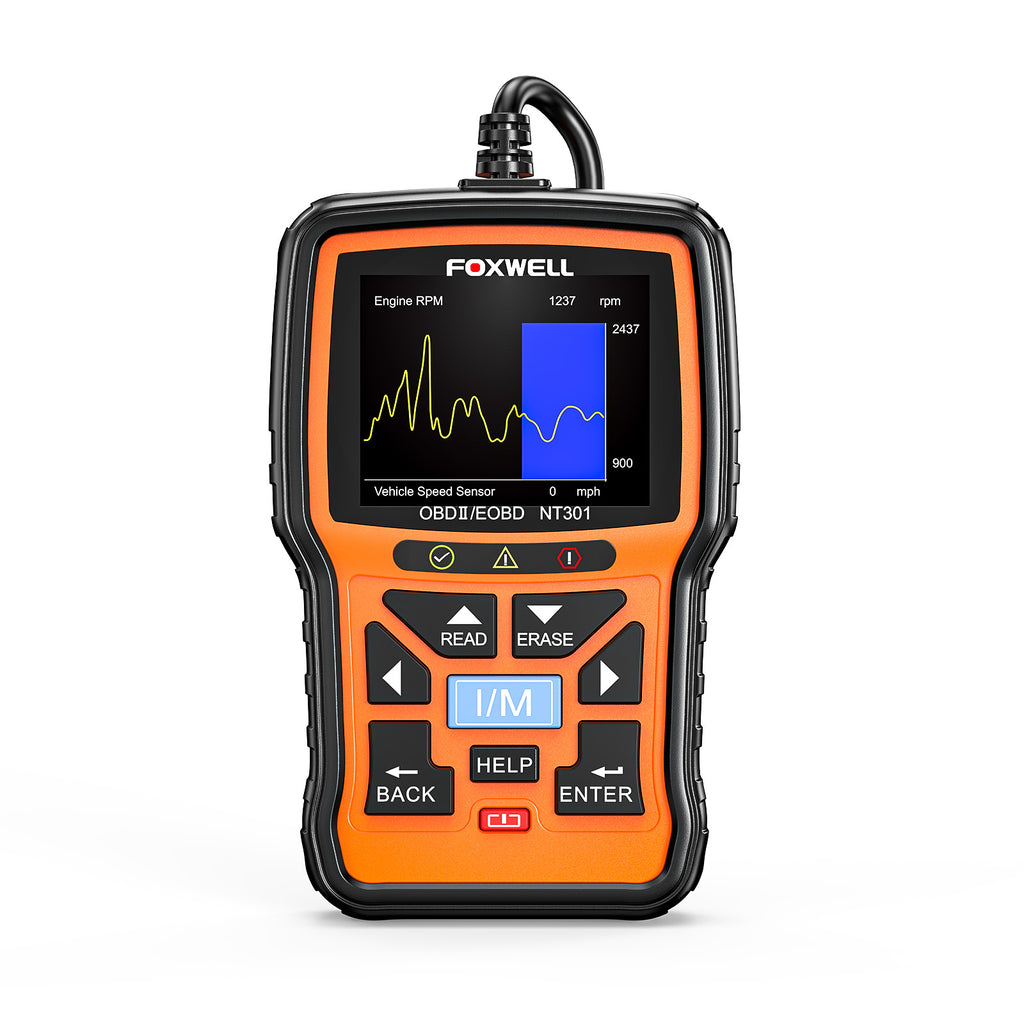
OBD2 Scanners · $
Foxwell NT301
Good for a basic garage kit when the goal is reading codes, not controlling vehicle systems.
- Best for
- Simple code reading and emissions readiness checks.
- Check first
- Do not expect advanced module coverage from a budget reader.
Compare fit and alternatives in Best OBD2 Scanner for DIY Mechanics.
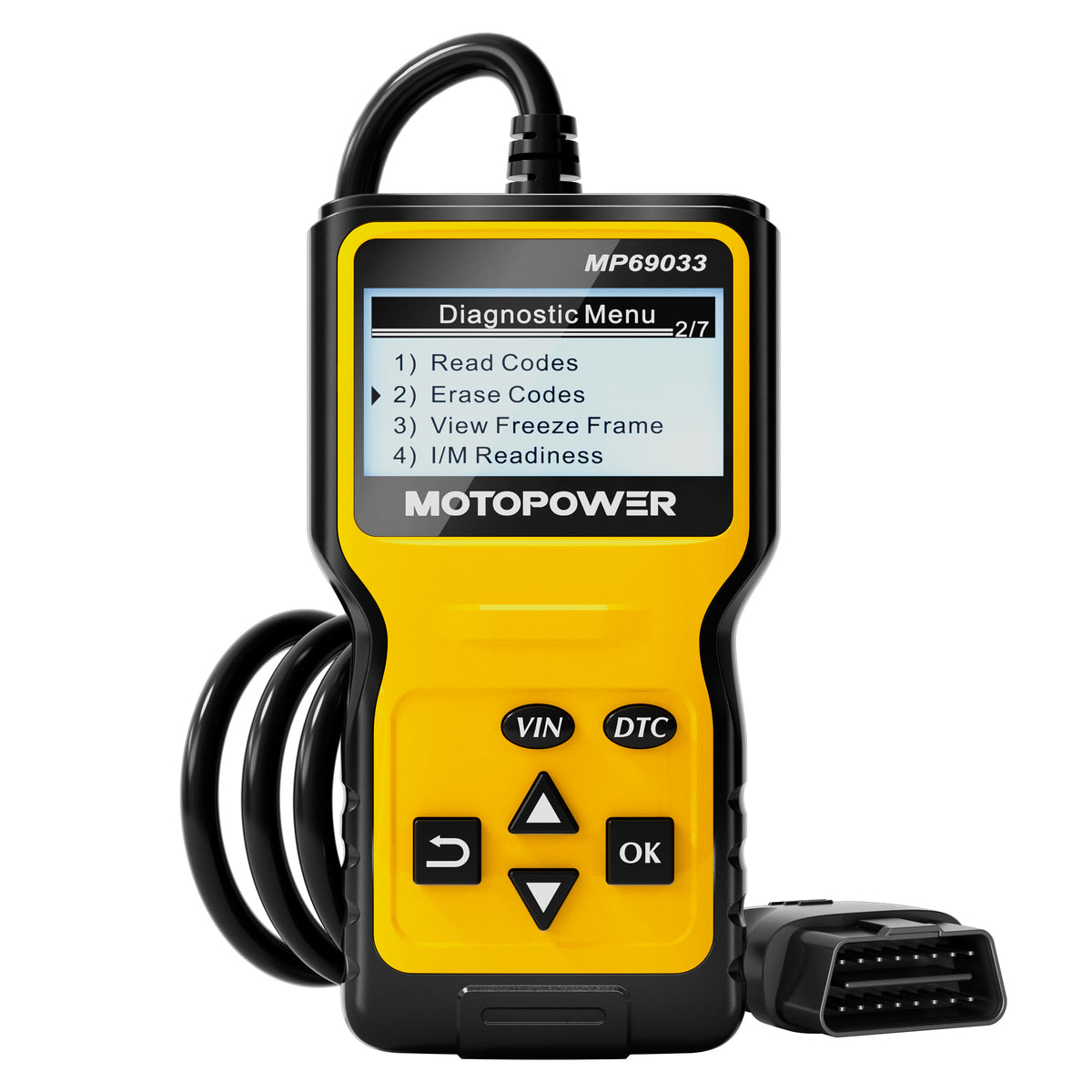
OBD2 Scanners · $
MOTOPOWER MP69033
A budget option for first-step code reading before deeper testing.
- Best for
- Keeping a low-cost code reader in the glovebox or home garage.
- Check first
- Very basic readers do not replace diagnostic judgment.
Compare fit and alternatives in Best OBD2 Scanner for DIY Mechanics.
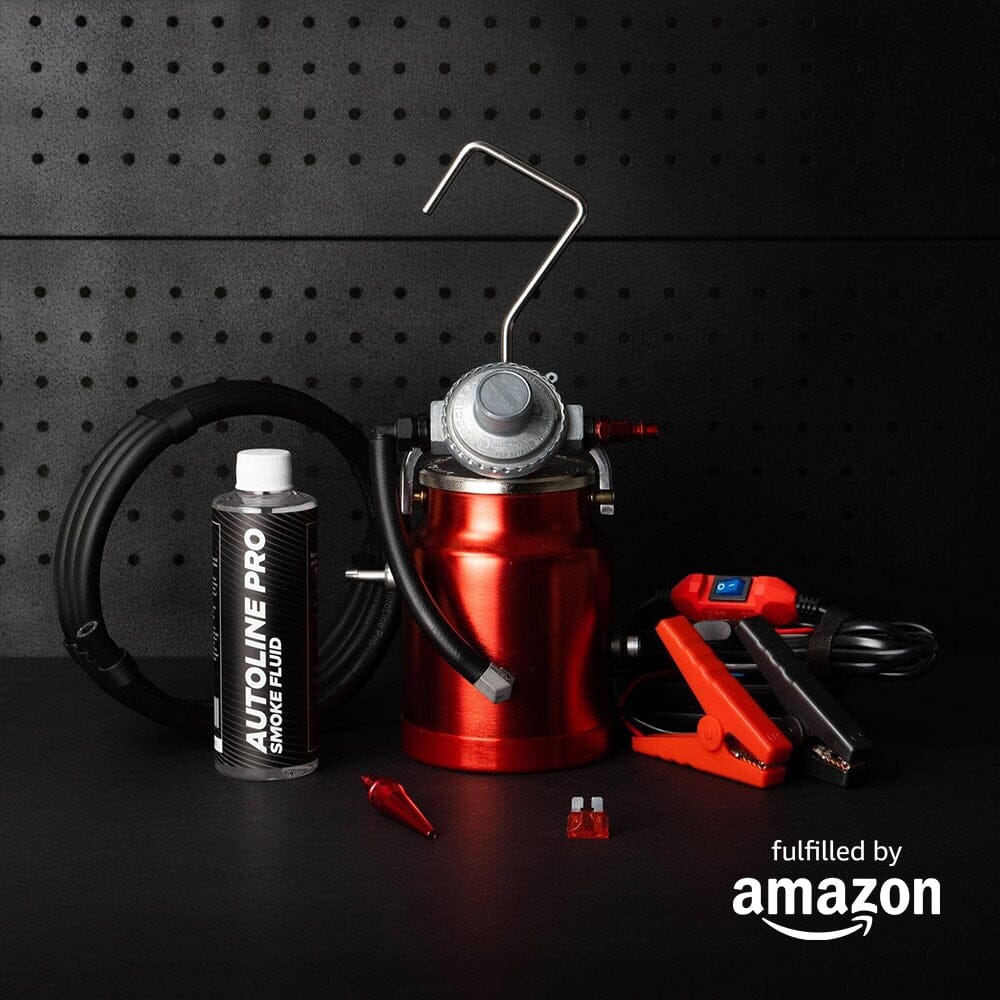
Automotive Smoke Machines · $$
AutoLine Pro Shop Series
A strong visual product for leak-detection content and comparison tables.
- Best for
- Finding intake, EVAP, vacuum, and exhaust leaks with visible smoke.
- Check first
- Use low pressure on sensitive systems and follow the tool instructions.
Compare fit and alternatives in Best Automotive Smoke Machine.