/dp/B098LF38DS?tag=diagnosticsto-20
Check first: XTOOL states that functions vary by manufacturer, model, year, and module. Confirm the exact active test, reset, protocol, and update term before buying.
Check availability on Amazon
Updated Aug 11, 2026Shortlist fit, limitations, and ownership terms reviewedHow we evaluate
Independent buying guide
Best Bidirectional Scan Tool Under $500
Tools that can command supported vehicle systems, not just read stored codes. This guide is built to help you choose by job, not by hype.
Short answer: Buy a bidirectional scan tool only when you need the tool to command supported vehicle systems, not just read codes.
The practical comparison points are active-test coverage, ABS bleed and EVAP commands, topology views, wireless workflow, secure-gateway access, and update fees.
Buying checks that matter
- Exact year/make/model coverage
- Active tests you will actually use
- Update cost after the included term
- Return window for compatibility testing
Compatibility-first path
Choose the smallest suitable bidirectional scan tools path before opening a listing.
Buyer constraint: Buy a bidirectional scan tool only when you need the tool to command supported vehicle systems, not just read codes.
Limitation: Bidirectional control is vehicle- and module-specific. Verify the exact active test, service function, update term, and secure-gateway requirement before ordering. A product can fit one job and still be the wrong purchase when the vehicle, material, adapter, app, update term, or confirmation method changes.
/dp/B0B4MJ5NK6?tag=diagnosticsto-20
Check first: Do not assume every function works on every vehicle. Verify coverage by year, make, model, and system.
Check availability on Amazon
/dp/B0C3QQYQ1B?tag=diagnosticsto-20
Check first: Check subscription terms, app fit, and the exact functions included.
Check availability on Amazon
Models to compare first
| Product | Best fit | Check before buying | Profile |
|---|---|---|---|
| XTOOL D7 | Advanced DIY users and small shops that need documented all-system scans, live data, active tests, service functions, and shareable diagnostic reports. | XTOOL states that functions vary by manufacturer, model, year, and module. Confirm the exact active test, reset, protocol, and update term before buying. | View profile |
| LAUNCH CRP919E | Users who want a tablet-style scanner with service functions. | Do not assume every function works on every vehicle. Verify coverage by year, make, model, and system. | View profile |
| TOPDON TopScan | People who want a compact scanner with more features than a basic dongle. | Check subscription terms, app fit, and the exact functions included. | View profile |
| Autel MaxiCOM MK808S | Advanced DIY users or small shops wanting a stable diagnostic tablet. | Confirm active tests, resets, and update terms for your exact vehicle. | View profile |
| TOPDON Phoenix Lite 2 | Small shops that need a larger tablet, wireless VCI, and broad service functions. | Higher price and update terms make it more tool than most casual DIY users need. | View profile |
Shortlist
Products in this guide
Bidirectional Scan Tools · $$$
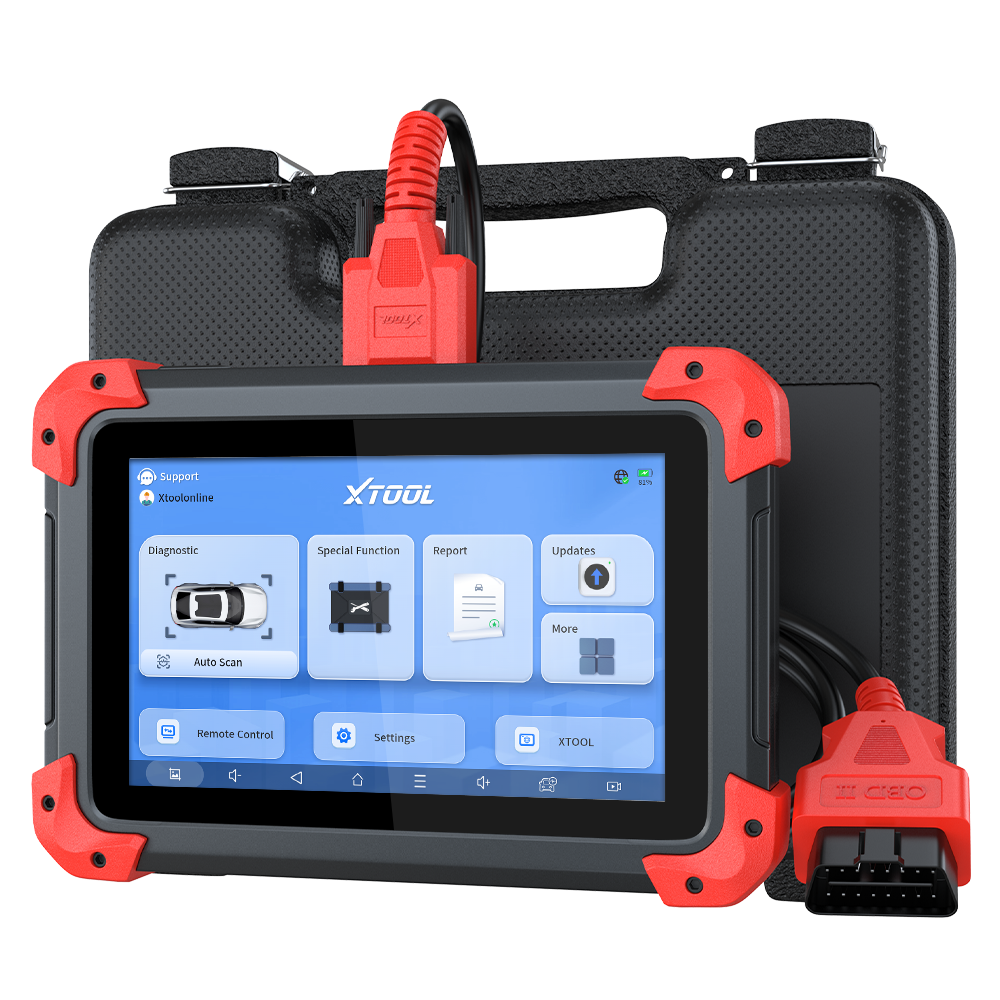
XTOOL D7
Shortlist the XTOOL D7 when a wired seven-inch tablet, bidirectional controls, report export, and broad service coverage fit the work; step down when codes and live data are enough.
- Best for
- Advanced DIY users and small shops that need documented all-system scans, live data, active tests, service functions, and shareable diagnostic reports.
- Check first
- XTOOL states that functions vary by manufacturer, model, year, and module. Confirm the exact active test, reset, protocol, and update term before buying.
Compare fit and alternatives in Best Bidirectional Scan Tool.
Bidirectional Scan Tools · $$$
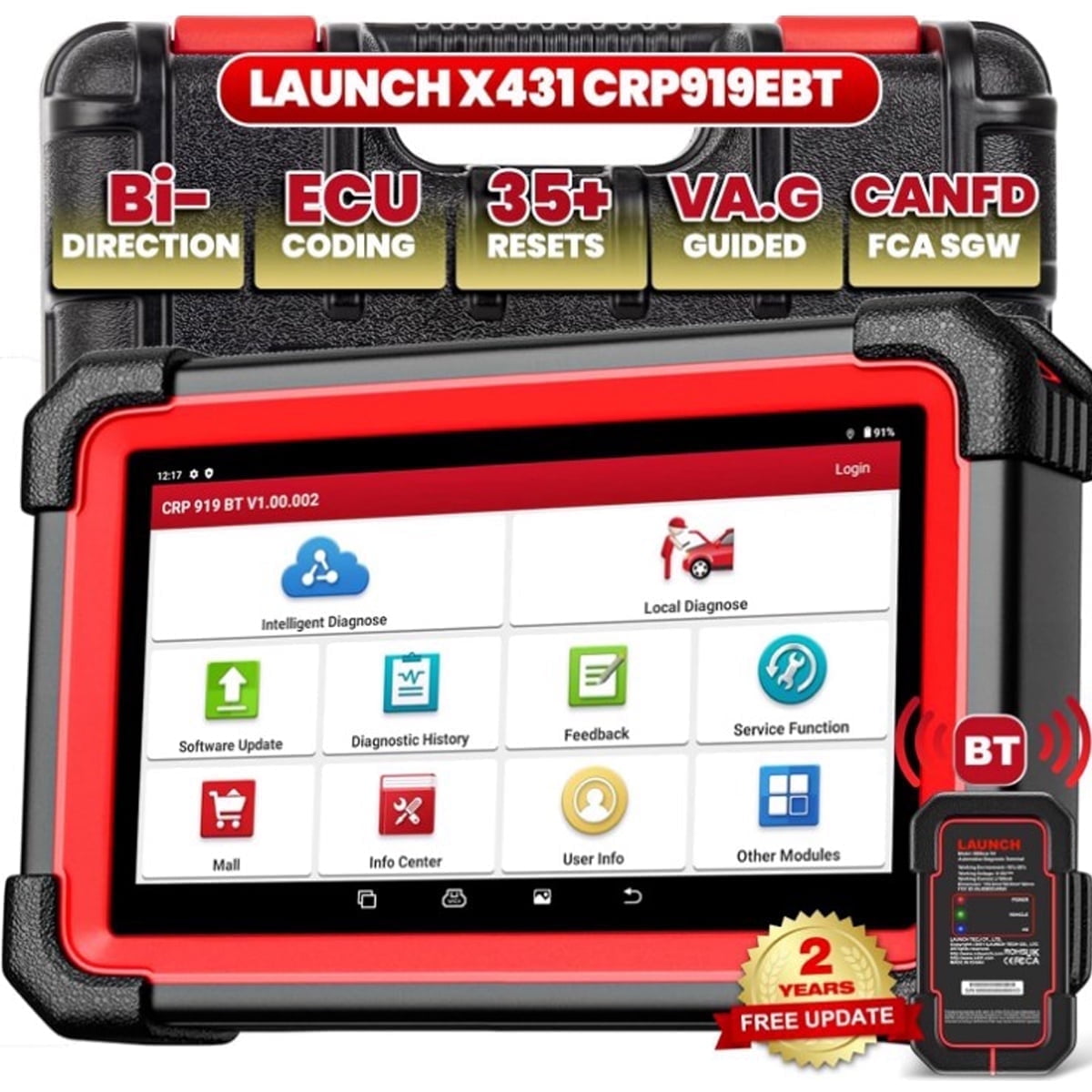
LAUNCH CRP919E
A comparison-page product for buyers deciding between Launch, Autel, XTOOL, and TOPDON style tools.
- Best for
- Users who want a tablet-style scanner with service functions.
- Check first
- Do not assume every function works on every vehicle. Verify coverage by year, make, model, and system.
Compare fit and alternatives in Best Bidirectional Scan Tool.
Bidirectional Scan Tools · $$
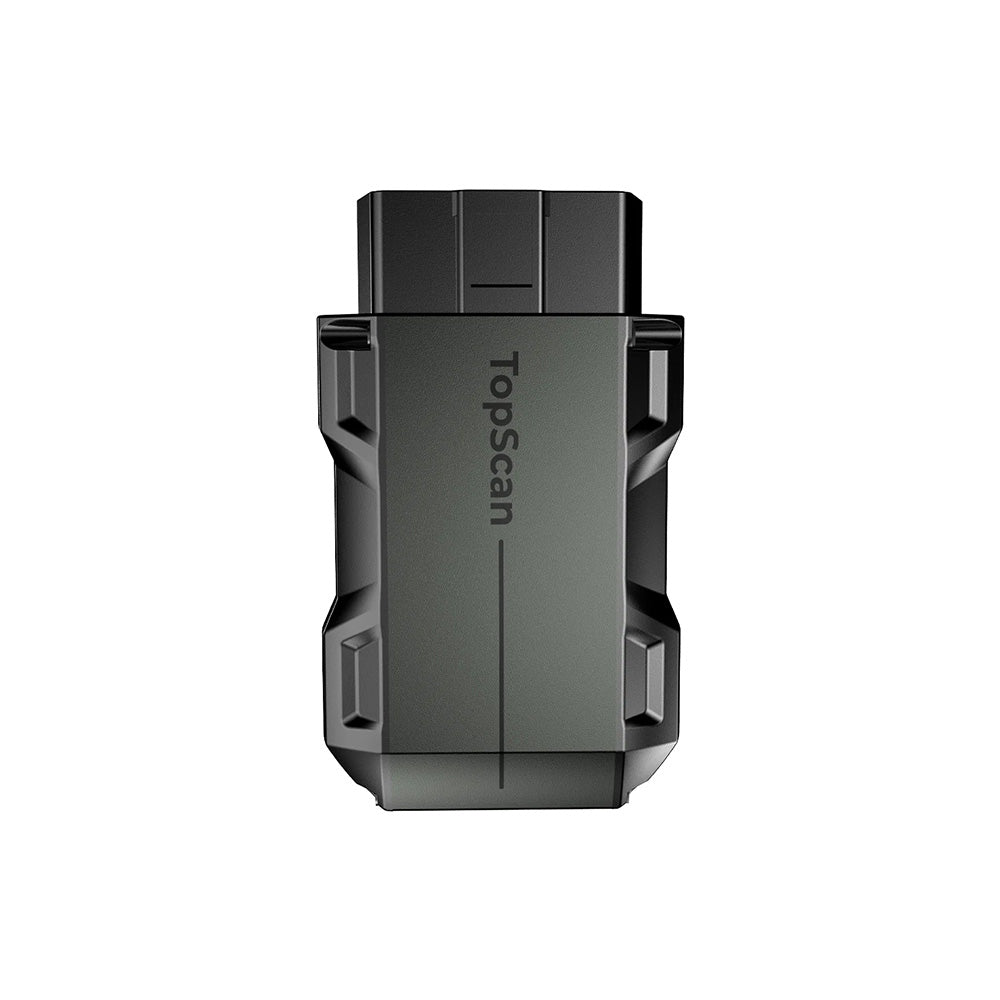
TOPDON TopScan
Useful for an app-first comparison against BlueDriver and budget handheld scanners.
- Best for
- People who want a compact scanner with more features than a basic dongle.
- Check first
- Check subscription terms, app fit, and the exact functions included.
Compare fit and alternatives in Best Bidirectional Scan Tool.
Bidirectional Scan Tools · $$$
Autel MaxiCOM MK808S
A strong midrange tablet candidate for buyers comparing Autel, Launch, TOPDON, and XTOOL.
- Best for
- Advanced DIY users or small shops wanting a stable diagnostic tablet.
- Check first
- Confirm active tests, resets, and update terms for your exact vehicle.
Compare fit and alternatives in Best Bidirectional Scan Tool.
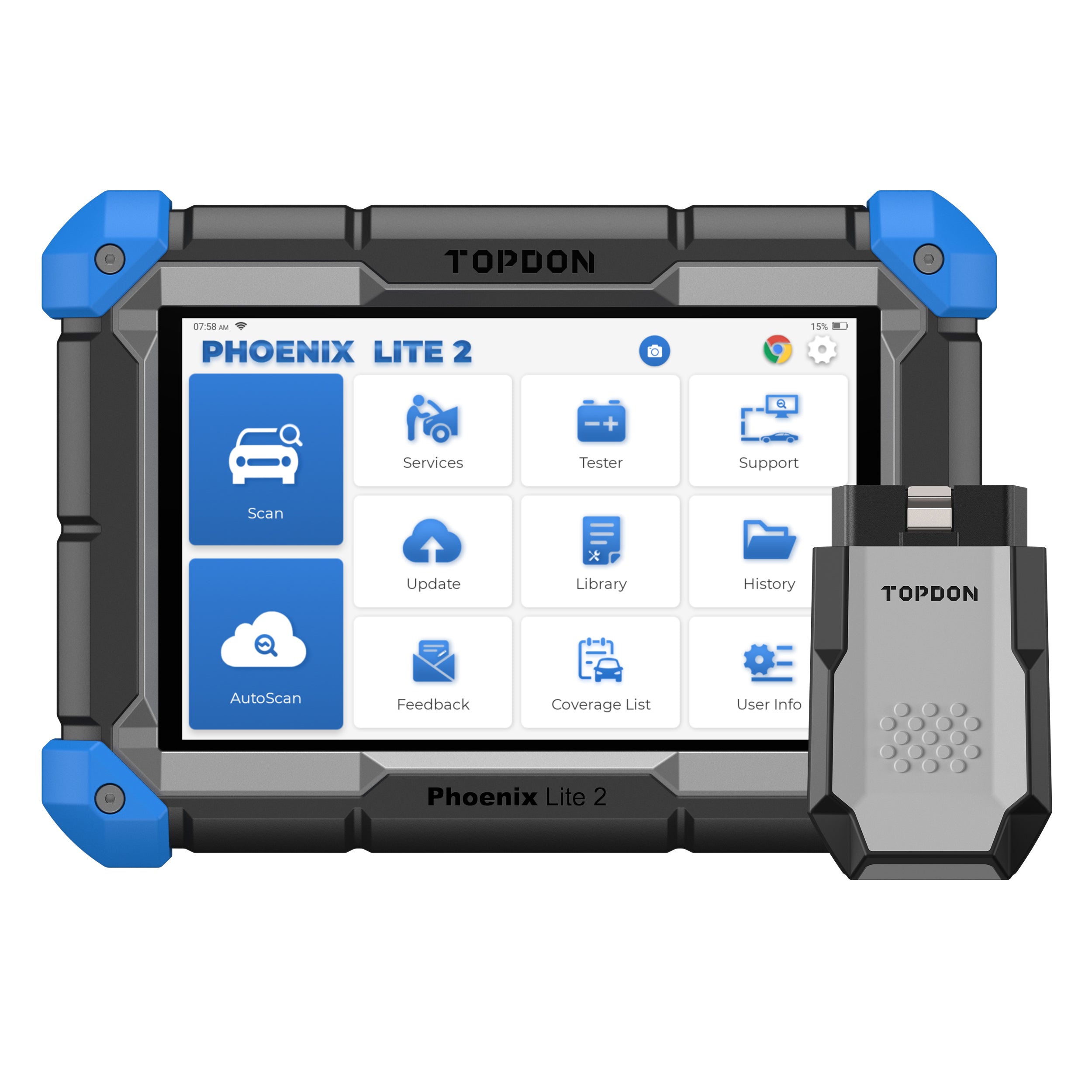
Bidirectional Scan Tools · $$$$
TOPDON Phoenix Lite 2
A higher-ticket comparison product for serious diagnostic-tablet pages.
- Best for
- Small shops that need a larger tablet, wireless VCI, and broad service functions.
- Check first
- Higher price and update terms make it more tool than most casual DIY users need.
Compare fit and alternatives in Best Bidirectional Scan Tool.

Bidirectional Scan Tools · $$$
TOPDON ArtiDiag900 Lite
A good under-$500-ish shortlist product for bidirectional scan tool content.
- Best for
- Advanced DIY users who want a wireless scan tablet below shop flagship pricing.
- Check first
- Subscription/update costs and vehicle-specific coverage need checking.
Compare fit and alternatives in Best Bidirectional Scan Tool.
How to choose
Match the tool to the job first. A cheap tool can be perfect for a simple code check and frustrating for ABS, SRS, TPMS, battery registration, or active tests. A high-end tool can also disappoint if its coverage does not include your exact vehicle.
- Write down the vehicle year, make, model, engine, and system.
- Check whether updates are free, paid, or subscription-based.
- Verify the return policy before testing compatibility.
- Prefer clear limitations over vague feature claims.
How we evaluate the shortlist
We separate manufacturer-documented capability from editorial fit. Compatibility, measurement limits, included hardware, software terms, support clarity, and the safer alternative all matter before hands-on evidence is available.
Read the testing methodRelated guides
EPB Reset Scan Tool Guide: Brake-Service Compatibility First
An EPB reset scan tool is useful only when it supports the exact electronic parking brake service mode for the vehicle; verify coverage before opening the brake system.
Steering Angle Sensor Reset Tool: SAS Calibration Buying Checks
A steering angle sensor reset or SAS calibration tool must support the vehicle's steering, ABS, and stability-control procedure before it can help after alignment or steering work.
Throttle Relearn Scan Tool Guide: When a Reset Function Matters
A throttle relearn scan tool can help after throttle-body cleaning, replacement, or idle issues only when the vehicle requires and supports that relearn routine.
Crankshaft Position Relearn Scan Tool: Crank Variation Limits
Crankshaft position relearn support is vehicle-specific and can involve RPM, temperature, brake, and safety preconditions; do not buy by feature name alone.
Battery Registration Scan Tool Guide: BMS Reset Before Replacement
Battery registration or BMS reset matters on vehicles that track battery age, type, and charging strategy; a battery tester alone may not complete that job.