Diameter decides access
A large camera may have better lighting or durability, but it cannot inspect a tight spark-plug hole, HVAC drain, door cavity, or small coolant passage if it does not fit. Start with the smallest opening you plan to inspect.
Tradeoffs
Smaller probes can fit tighter spaces, but they may sacrifice image quality, lighting, articulation, or toughness. Larger probes can be clearer and easier to handle, but access becomes limited.
Buying checks
Compare probe diameter, focal distance, cable stiffness, side-view or dual-lens support, light adjustment, waterproof rating, photo capture, and whether the tip can survive automotive fluids and heat after cooldown.
Use-case matching
Cylinder inspection, evaporator boxes, sunroof drains, turbo piping, and body cavities each reward different probe designs. Choose for the job you repeat, not the largest screen in the listing.
Frequently asked questions
What borescope probe size is best for cars?
Pick the smallest diameter that fits your target inspection point while still giving usable light and image quality.
Is a 5.5 mm borescope better than 8 mm?
It fits more places, but image quality and durability may differ by model.
Do I need waterproof probes?
Water resistance helps for drains and damp cavities, but follow the tool rating and avoid hot components.
Best next page
Use the Automotive Borescopes guide when this diagnostic path points to a purchase decision. Compare job fit, limitations, compatibility, and the cost of ownership before choosing a model.
Open Automotive Borescopes guideRelated diagnostic guides
Continue with the closest compatibility, workflow, and buying questions for this tool family.
Tools to compare next

Automotive Borescopes · $$
Teslong NTS500
A good product-profile candidate for spark plug hole inspection content.
- Best for
- Looking inside cylinders, behind panels, and into tight spaces.
- Check first
- Camera diameter, focal range, and light control matter more than headline resolution.
Compare fit and alternatives in Best Automotive Borescope.

Automotive Borescopes · $$
DEPSTECH DS300
Useful in a borescope roundup where viewing angle and probe fit are key.
- Best for
- General home garage inspection with a dedicated screen.
- Check first
- Confirm probe diameter before planning cylinder inspections.
Compare fit and alternatives in Best Automotive Borescope.
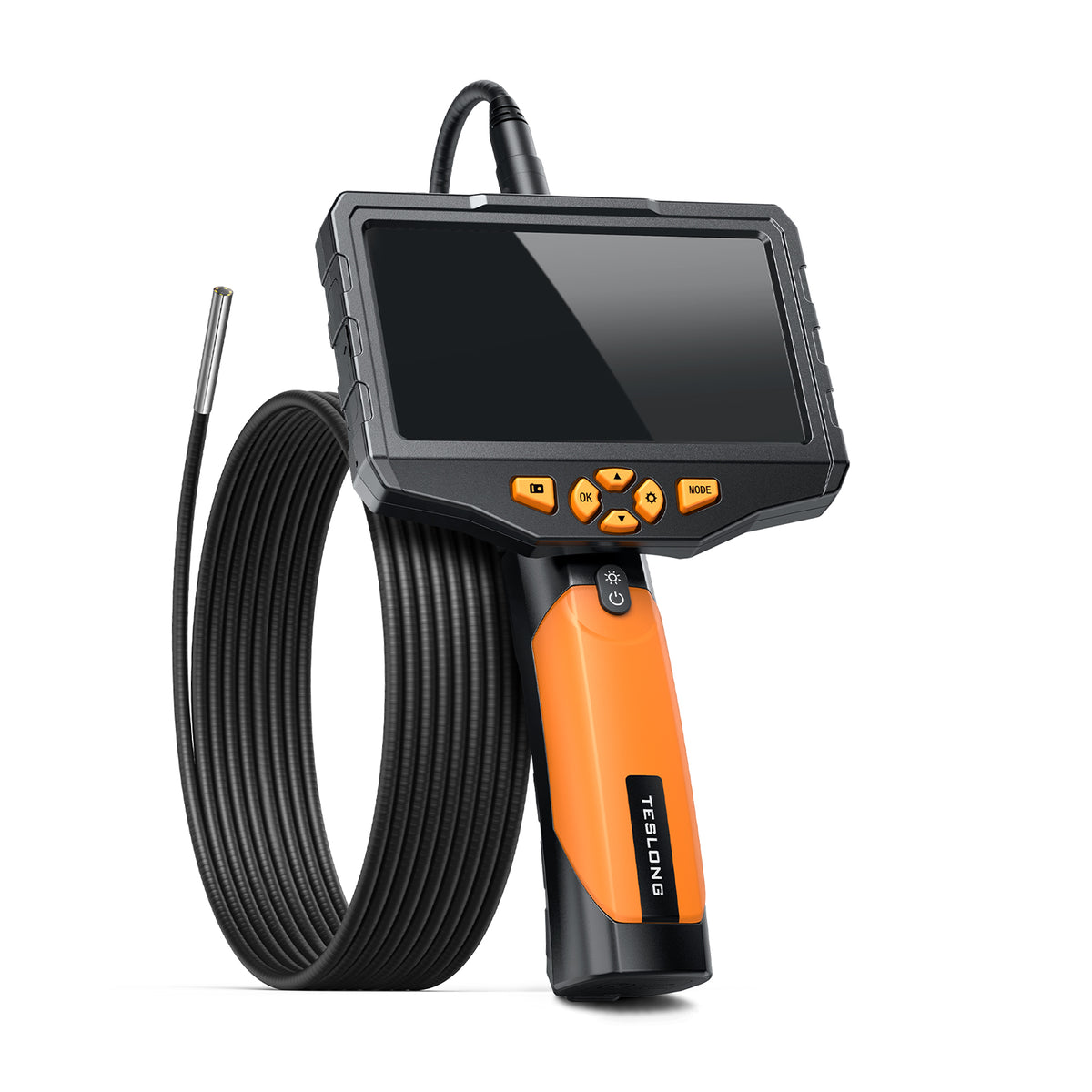
Automotive Borescopes · $$
Teslong NTS300
A natural lower-cost Teslong alternative to compare with NTS500.
- Best for
- Dedicated-screen inspections in cylinders and tight spaces.
- Check first
- Probe diameter and side-view capability decide whether it fits the job.
Compare fit and alternatives in Best Automotive Borescope.
Automotive Borescopes · $
DEPSTECH WF028
A budget wireless borescope for accessory and inspection guides.
- Best for
- Phone-based inspection camera work around the home garage.
- Check first
- Phone pairing and focal range can frustrate detailed engine inspection.
Compare fit and alternatives in Best Automotive Borescope.