Different solutions
A dual-lens borescope usually gives front and side views without moving the cable much. An articulating borescope bends or steers the tip so you can aim at valves, cylinder walls, leaks, or hidden fasteners.
When dual lens is enough
Dual lens works well for quick cylinder checks, drains, and cavities where a side view answers the question. It is usually less expensive than true articulation and can be simpler for occasional use.
When articulation wins
Articulation helps when you need to inspect around corners, aim at a specific surface, or avoid removing extra parts. It is often worth it for repeated professional diagnosis or hard-to-access jobs.
Buying checks
Compare probe diameter, lens switching, articulation range, cable stiffness, light control, image capture, durability, and replacement support. The most expensive camera is not automatically the best for a cramped automotive opening.
Frequently asked questions
Is dual lens the same as articulating?
No. Dual lens changes camera view; articulation moves the tip.
Which is better for cylinders?
Dual lens is often enough for quick checks, while articulation is better when you need controlled aiming.
Are articulating borescopes worth it?
They are worth it when steering the camera prevents disassembly or improves inspection quality.
Best next page
Use the Automotive Borescopes guide when this diagnostic path points to a purchase decision. Compare job fit, limitations, compatibility, and the cost of ownership before choosing a model.
Open Automotive Borescopes guideRelated diagnostic guides
Continue with the closest compatibility, workflow, and buying questions for this tool family.
Tools to compare next

Automotive Borescopes · $$
Teslong NTS500
A good product-profile candidate for spark plug hole inspection content.
- Best for
- Looking inside cylinders, behind panels, and into tight spaces.
- Check first
- Camera diameter, focal range, and light control matter more than headline resolution.
Compare fit and alternatives in Best Automotive Borescope.

Automotive Borescopes · $$
DEPSTECH DS300
Useful in a borescope roundup where viewing angle and probe fit are key.
- Best for
- General home garage inspection with a dedicated screen.
- Check first
- Confirm probe diameter before planning cylinder inspections.
Compare fit and alternatives in Best Automotive Borescope.
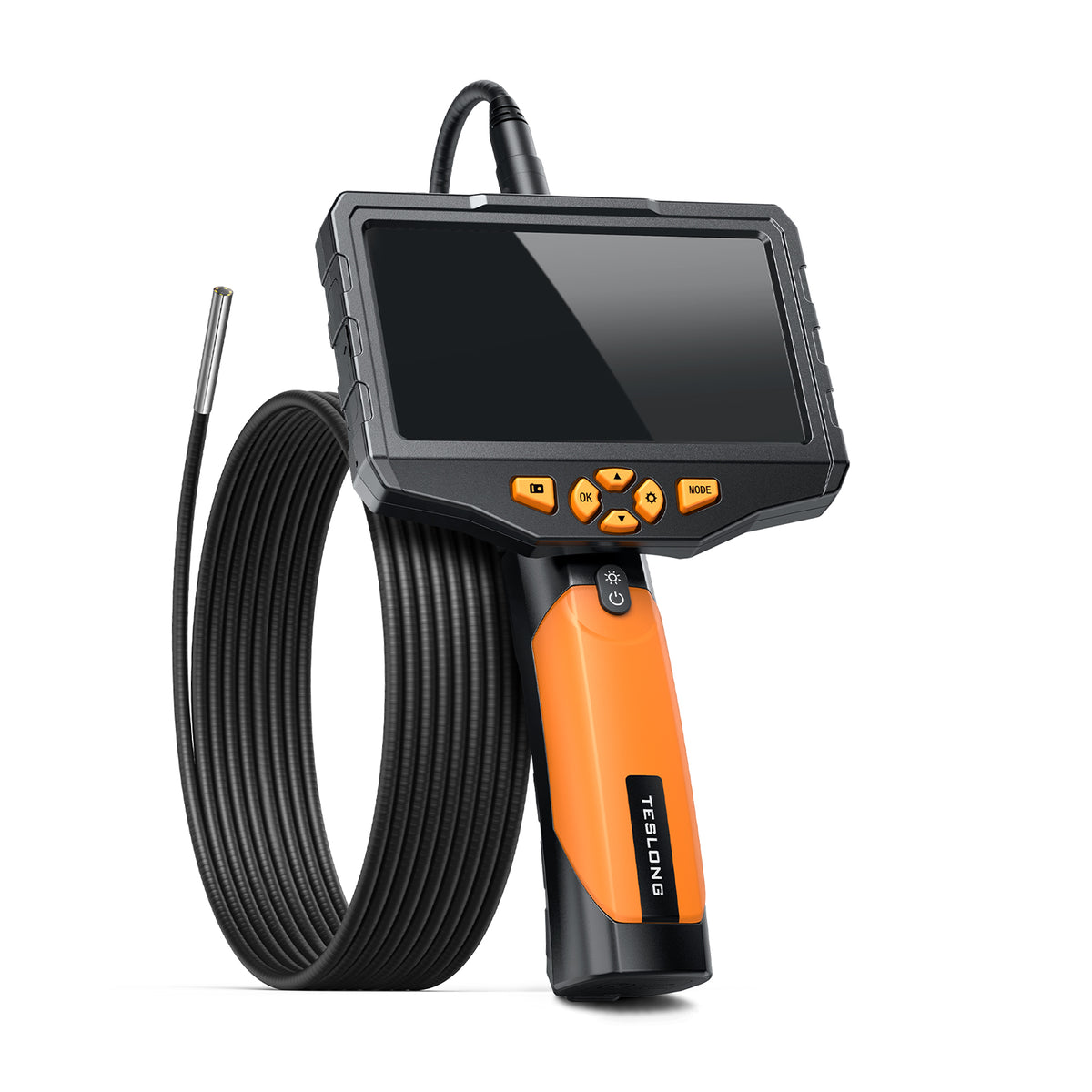
Automotive Borescopes · $$
Teslong NTS300
A natural lower-cost Teslong alternative to compare with NTS500.
- Best for
- Dedicated-screen inspections in cylinders and tight spaces.
- Check first
- Probe diameter and side-view capability decide whether it fits the job.
Compare fit and alternatives in Best Automotive Borescope.
Automotive Borescopes · $
DEPSTECH WF028
A budget wireless borescope for accessory and inspection guides.
- Best for
- Phone-based inspection camera work around the home garage.
- Check first
- Phone pairing and focal range can frustrate detailed engine inspection.
Compare fit and alternatives in Best Automotive Borescope.