Adapter fit first
Compression testing depends on sealing the tester in the spark-plug hole. Common kits include several thread sizes, but not every engine is covered. Check the vehicle spark plug thread size before buying, especially for small engines, motorcycles, deep plug wells, or unusual adapters.
Kit features
Compare adapter sizes, hose length, quick couplers, gauge readability, pressure range, release valve, replacement seals, and storage quality. A readable gauge and repeatable seal matter more than a large accessory count that does not fit your engine.
Testing consistency
Disable fuel and ignition as required, hold the throttle according to the service procedure, use a charged battery, and test every cylinder the same way. The difference between cylinders is often more useful than one isolated number.
When to stop
If an adapter cross-threads, the hose leaks, or the result changes wildly between tests, stop and fix the setup. Bad setup can make a healthy cylinder look weak.
Frequently asked questions
What adapter size do I need for a compression test?
Check the spark plug thread size for the exact engine before buying a kit.
Are universal compression tester kits truly universal?
No. They cover common sizes, but deep wells, small engines, and specialty applications can need extra adapters.
What pressure range should the gauge have?
Many automotive kits use a 0-300 PSI gauge, but match the range to the engine type you are testing.
Best next page
Use the Compression Testers guide when this diagnostic path points to a purchase decision. Compare job fit, limitations, compatibility, and the cost of ownership before choosing a model.
Open Compression Testers guideRelated diagnostic guides
Continue with the closest compatibility, workflow, and buying questions for this tool family.
Tools to compare next
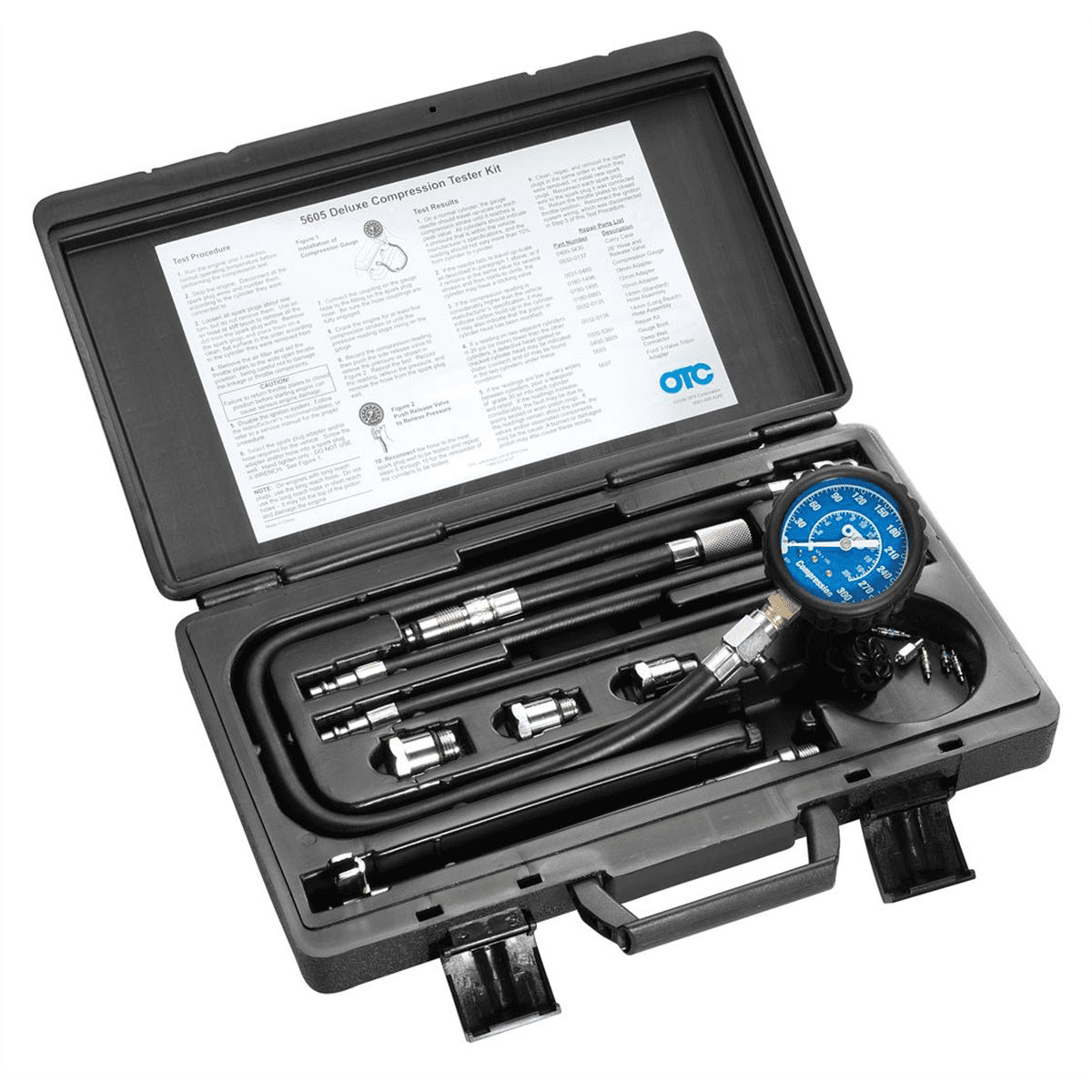
Compression Testers · $$
OTC 5605
A solid candidate for the compression tester comparison page.
- Best for
- Gas engine compression checks where adapter fit matters.
- Check first
- Confirm spark plug thread adapters for the engines you plan to test.
Compare fit and alternatives in Best Compression Tester.
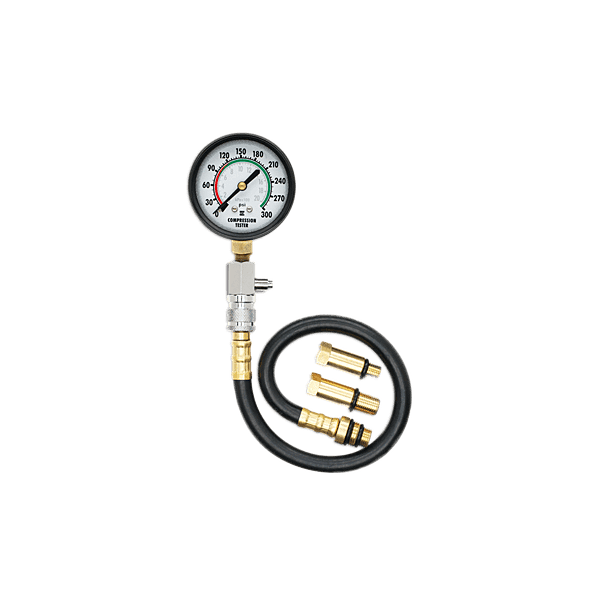
Compression Testers · $
Innova 3612
A budget-friendly option to include in early mechanical tester content.
- Best for
- Basic cylinder compression checks on common gas engines.
- Check first
- A compression test gives direction; it does not identify the failed part alone.
Compare fit and alternatives in Best Compression Tester.
Compression Testers · $
Actron CP7827
A budget mechanical tester to compare with OTC and Innova.
- Best for
- Basic gas-engine compression checks on common spark plug threads.
- Check first
- Adapter set and hose quality matter more than the gauge brand alone.
Compare fit and alternatives in Best Compression Tester.

Compression Testers · $$$
Mityvac MV5530
A premium comparison item for advanced engine-health testing pages.
- Best for
- Users who want recorded compression readings instead of a simple analog gauge.
- Check first
- Digital testers cost more and still require correct setup and adapter fit.
Compare fit and alternatives in Best Compression Tester.
Compression Testers · $$
Lang Tools TU-15
A quality analog alternative for compression testing content.
- Best for
- Mechanics who want a sturdy analog compression tester for repeated use.
- Check first
- Confirm adapter coverage for modern recessed plug wells.
Compare fit and alternatives in Best Compression Tester.