/dp/B004K2FSXI?tag=diagnosticsto-20
Check first: Confirm spark plug thread adapters for the engines you plan to test.
Check availability on Amazon
Updated Aug 11, 2026Category coverage and decision criteria reviewedHow we evaluate
Tool category guide
Compression Testers
Mechanical test kits for checking cylinder sealing before guessing at plugs, coils, injectors, or sensors.
Short answer: Use a compression tester when misfire, low power, or hard-start symptoms point toward cylinder sealing rather than sensors alone.
Compression-tester research repeatedly centers on gauge readability, 0-300 PSI range, adapter fit, hose length, release valves, and consistent cylinder-to-cylinder comparison.
Compatibility-first path
Choose the smallest suitable compression testers path before opening a listing.
Buyer constraint: Use a compression tester when misfire, low power, or hard-start symptoms point toward cylinder sealing rather than sensors alone.
Limitation: Adapter fit and consistent test technique matter more than the logo on the gauge. Compare cylinders and use a leak-down test when compression results need explanation. A product can fit one job and still be the wrong purchase when the vehicle, material, adapter, app, update term, or confirmation method changes.
/dp/B000EVU89I?tag=diagnosticsto-20
Check first: A compression test gives direction; it does not identify the failed part alone.
Check availability on Amazon
/dp/B0006V2BRS?tag=diagnosticsto-20
Check first: Adapter set and hose quality matter more than the gauge brand alone.
Check availability on Amazon
Best-fit jobs
Misfire diagnosisEngine health checksSmall enginesPre-purchase inspections
Decision checks
- Spark plug thread adapters
- Gauge range and readability
- Repeat-test release valve
- Wet vs dry test follow-up
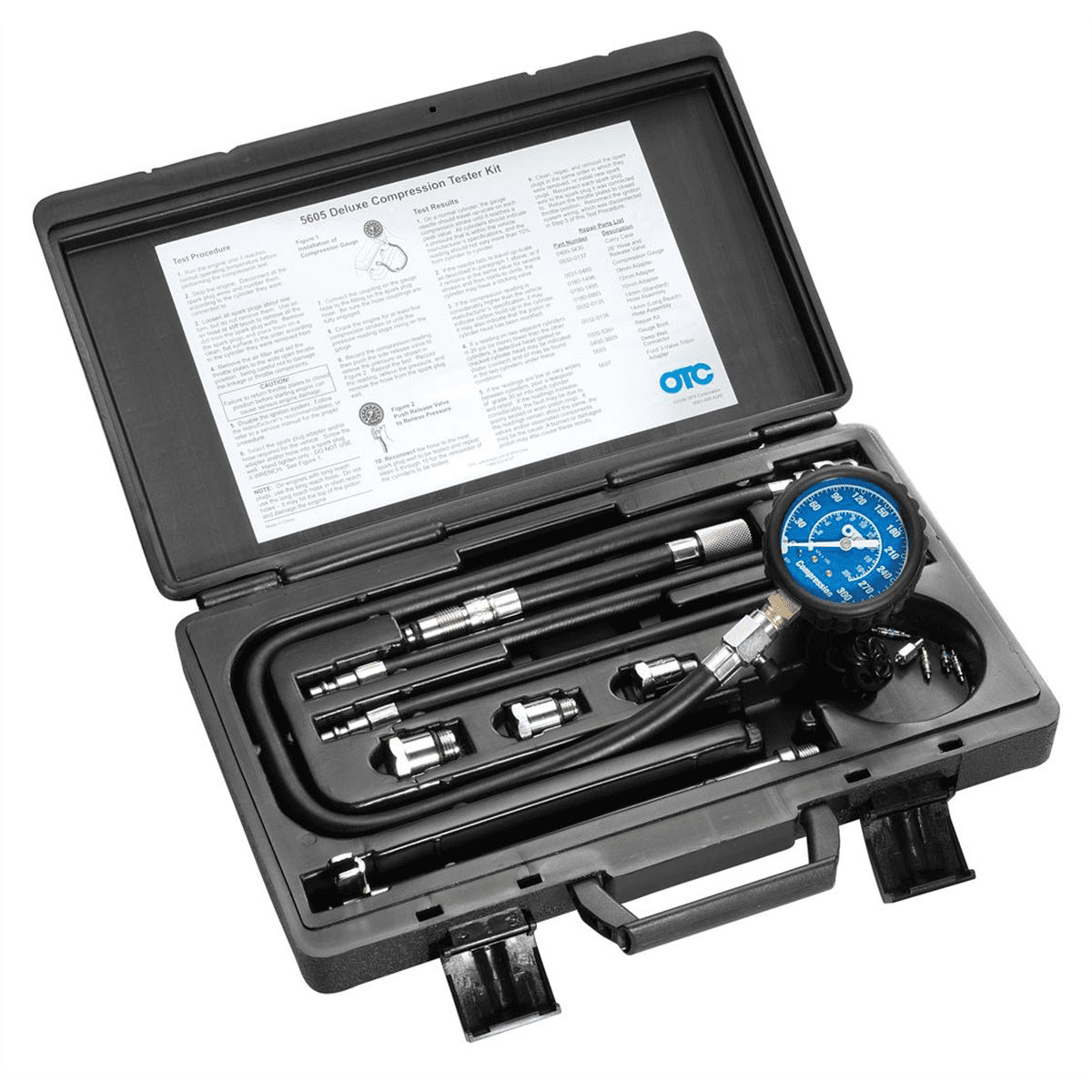
Compression Testers · $$
OTC 5605
A solid candidate for the compression tester comparison page.
- Best for
- Gas engine compression checks where adapter fit matters.
- Check first
- Confirm spark plug thread adapters for the engines you plan to test.
Compare fit and alternatives in Best Compression Tester.
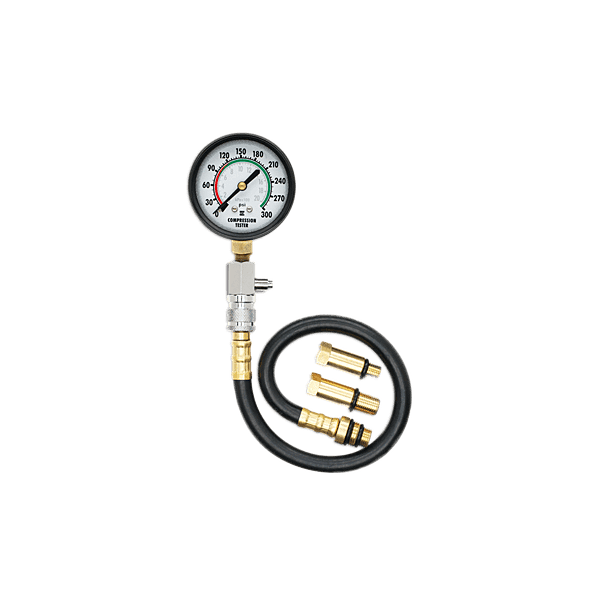
Compression Testers · $
Innova 3612
A budget-friendly option to include in early mechanical tester content.
- Best for
- Basic cylinder compression checks on common gas engines.
- Check first
- A compression test gives direction; it does not identify the failed part alone.
Compare fit and alternatives in Best Compression Tester.
Compression Testers · $
Actron CP7827
A budget mechanical tester to compare with OTC and Innova.
- Best for
- Basic gas-engine compression checks on common spark plug threads.
- Check first
- Adapter set and hose quality matter more than the gauge brand alone.
Compare fit and alternatives in Best Compression Tester.

Compression Testers · $$$
Mityvac MV5530
A premium comparison item for advanced engine-health testing pages.
- Best for
- Users who want recorded compression readings instead of a simple analog gauge.
- Check first
- Digital testers cost more and still require correct setup and adapter fit.
Compare fit and alternatives in Best Compression Tester.
Compression Testers · $$
Lang Tools TU-15
A quality analog alternative for compression testing content.
- Best for
- Mechanics who want a sturdy analog compression tester for repeated use.
- Check first
- Confirm adapter coverage for modern recessed plug wells.
Compare fit and alternatives in Best Compression Tester.
Supporting articles
Compression Tester vs Borescope: Which Engine Tool Comes First?
A compression tester measures cylinder sealing, while a borescope lets you inspect visible conditions; most misfire or engine-health workflows start with compression before camera inspection.
Compression Tester Adapter Size Guide for Spark Plug Threads
The right compression tester is often the kit with the correct spark-plug thread adapters, hose reach, and gauge range for your engine.
Wet vs Dry Compression Test: What the Difference Tells You
A dry compression test shows baseline cylinder pressure; a wet test adds oil to help separate ring sealing clues from valve, gasket, or timing problems.
Compression Tester vs Leak Down Tester
A compression tester tells you whether pressure is low. A leak-down tester helps locate where that pressure is escaping.
How to Use a Compression Tester Without Fooling Yourself
A useful compression test depends on consistent setup, a charged battery, correct adapter fit, and comparing cylinders instead of chasing one magic number.
Diagnostic and Test Tools: Build a Useful Automotive Kit
Build a diagnostic kit around the evidence each tool produces: scanner data, battery condition, electrical measurements, pressure, smoke, compression, temperature, or a saved visual inspection.
Automotive Borescopes: Probe, Focus, and Lens Buyer Guide
Choose an automotive borescope by access and image usefulness: probe diameter, focal distance, lens direction, articulation, lighting, and capture matter more than headline resolution.
Articulating Automotive Borescope: When the Bendable Camera Is Worth It
An articulating borescope is worth the upgrade when you need to steer the camera tip around valves, ports, panels, or hidden leaks instead of only looking straight ahead.