Start with the symptom
Do not open every data PID and hope the answer appears. Start with the symptom, the stored code, freeze-frame data, and the system involved. For a lean code, fuel trims, oxygen sensor behavior, MAF readings, and vacuum-leak clues matter. For overheating, coolant temperature and fan command data matter more than a generic code list.
Values need context
A live-data number is useful only when you know the engine state, temperature, load, and expected range. Record whether the engine is cold, warmed up, idling, cruising, or under load. Compare bank-to-bank differences when available and avoid calling a sensor bad just because one snapshot looks strange.
What to buy
A beginner scanner should show live data clearly, graph at least a few PIDs, save reports, and support the protocols used by your vehicle. Bluetooth scanners can be fine if the app is stable. Standalone scanners are easier when you need quick driveway checks without phone pairing.
Decision rule
If the scanner only reads and clears codes, it may not be enough for repeat diagnosis. If it graphs live data, saves freeze-frame details, and makes common values easy to find, it is more useful than a longer feature list that hides the basics.
Frequently asked questions
What OBD2 live data should beginners check first?
Start with freeze-frame data, coolant temperature, fuel trims, oxygen sensor activity, MAF or MAP readings, battery voltage, and misfire counters when supported.
Can live data prove a sensor is bad?
Sometimes, but only after comparing the value with symptoms, wiring, engine state, and expected operating range.
Do cheap OBD2 scanners show live data?
Many do, but graphing, refresh speed, saved reports, and app quality vary a lot.
Best next page
Use the OBD2 Scanners guide when this diagnostic path points to a purchase decision. Compare job fit, limitations, compatibility, and the cost of ownership before choosing a model.
Open OBD2 Scanners guideRelated diagnostic guides
Continue with the closest compatibility, workflow, and buying questions for this tool family.
Tools to compare next
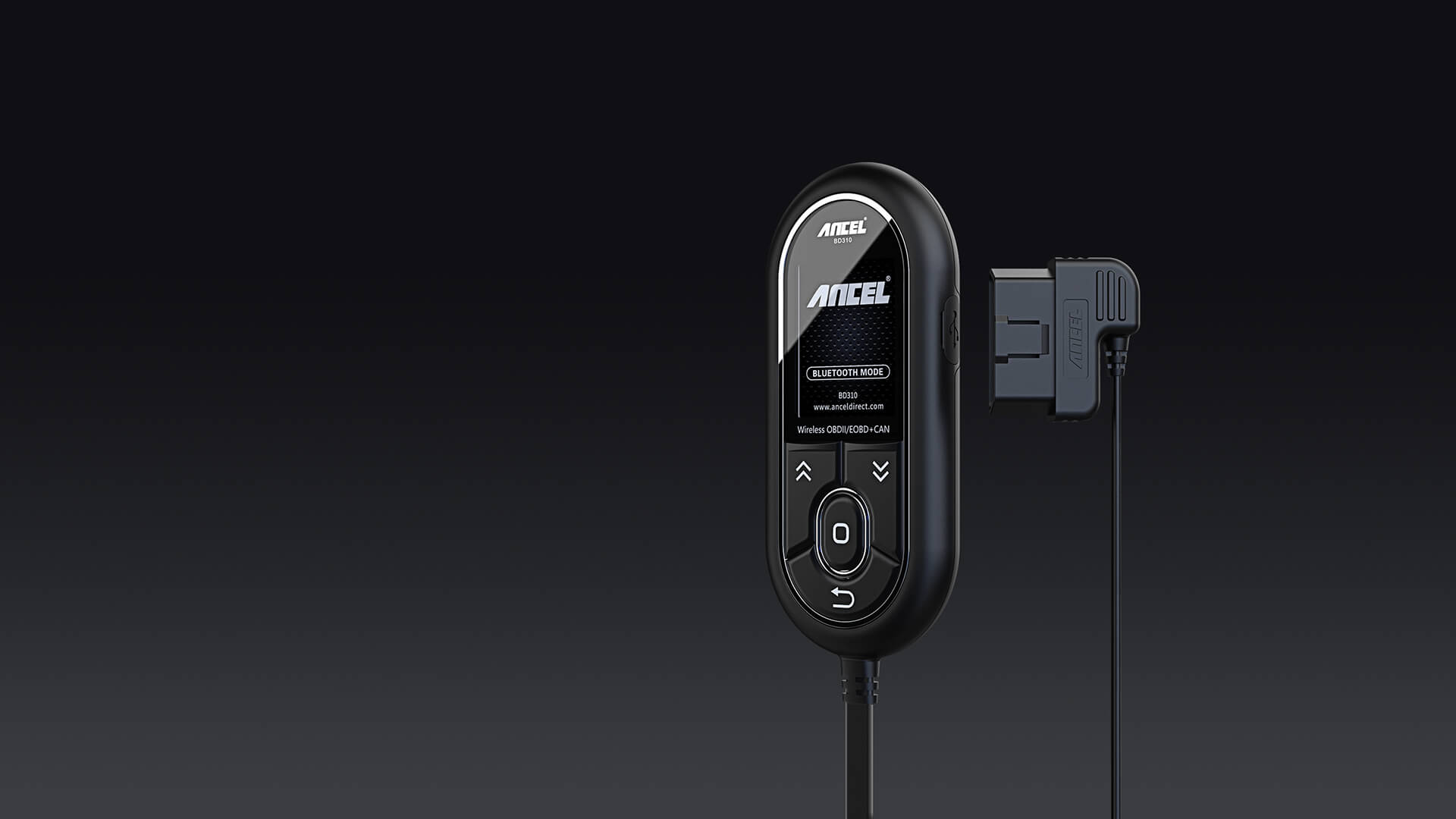
OBD2 Scanners · $$
ANCEL BD310
A sensible starter candidate for check engine light work when you want more than the cheapest code reader.
- Best for
- Drivers who want a simple handheld screen plus app support.
- Check first
- Confirm your phone compatibility and the functions you need before buying.
Compare fit and alternatives in Best OBD2 Scanner for DIY Mechanics.
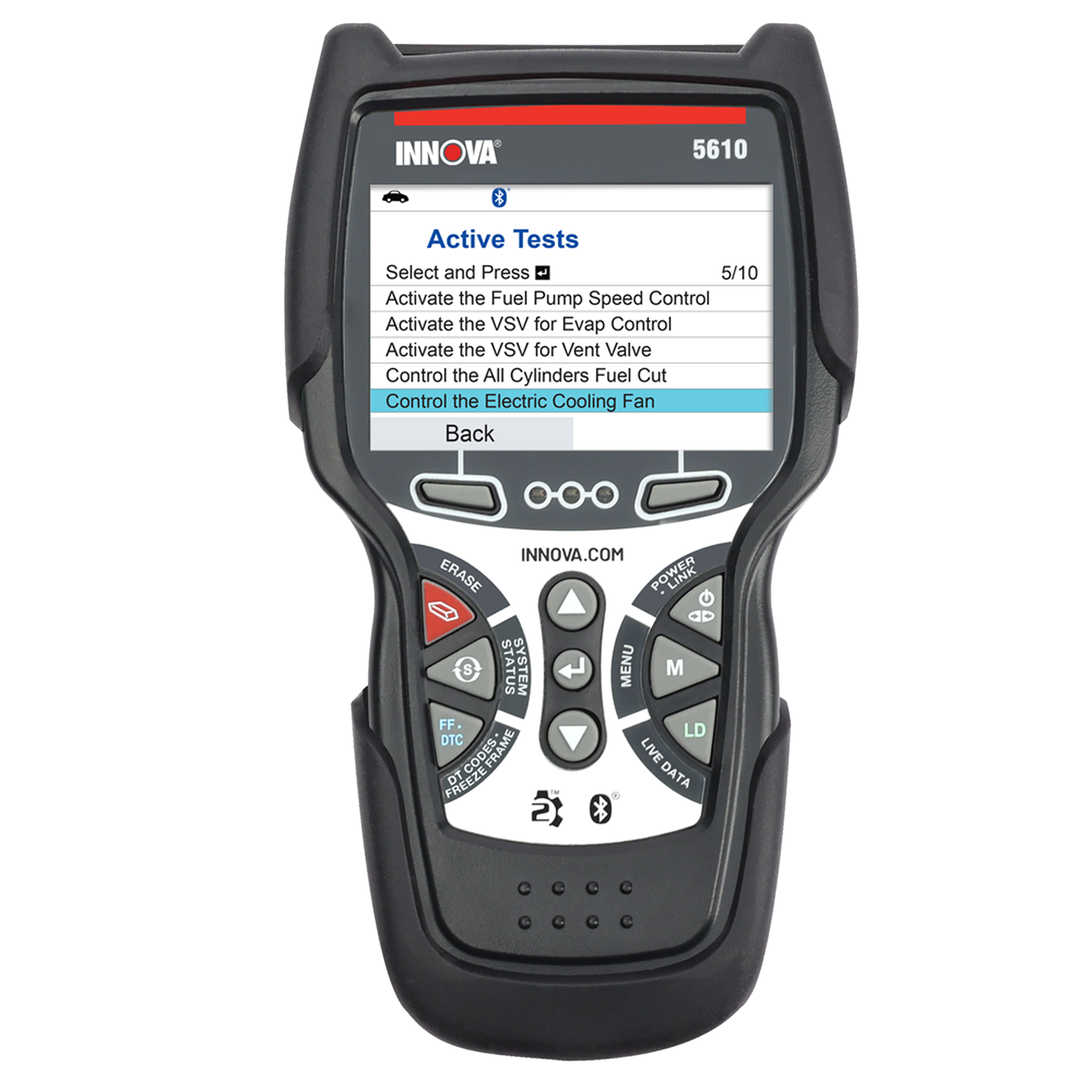
OBD2 Scanners · $$$
Innova 5610
Worth shortlisting when you want ABS/SRS style depth without jumping into shop-level scan tools.
- Best for
- DIY users who want a broader feature set than a basic reader.
- Check first
- Advanced functions can vary by vehicle. Check module and service coverage first.
Compare fit and alternatives in Best OBD2 Scanner for DIY Mechanics.
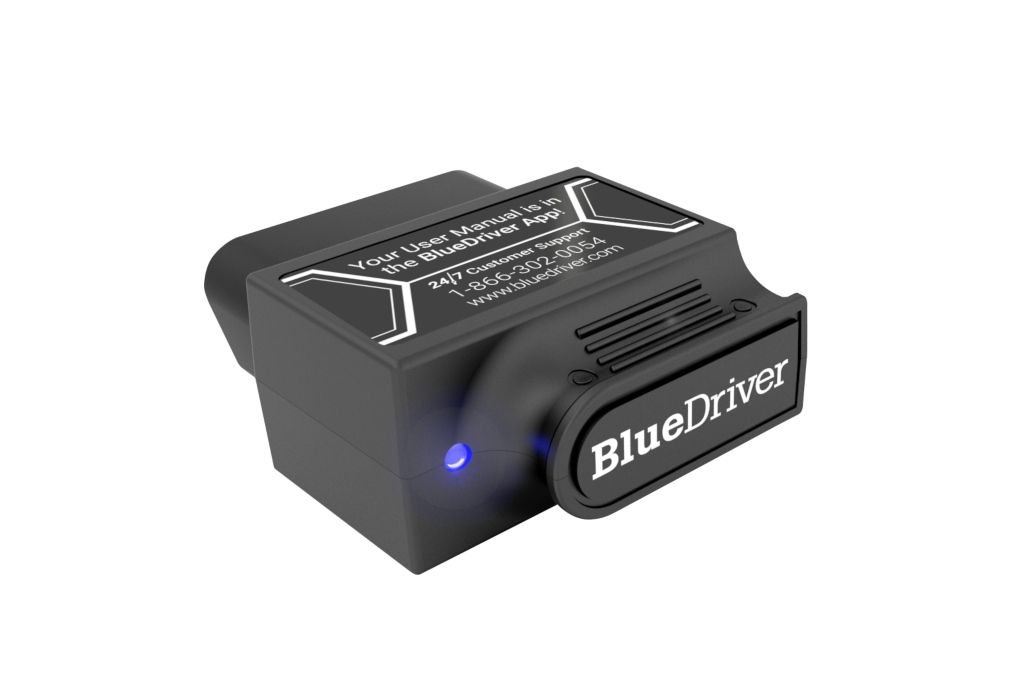
OBD2 Scanners · $$
BlueDriver Pro
A strong candidate for people who would rather use a phone than a handheld scanner.
- Best for
- Phone-first users who prefer app-guided diagnostics.
- Check first
- It is app-dependent, so phone support and update quality matter.
Compare fit and alternatives in Best OBD2 Scanner for DIY Mechanics.
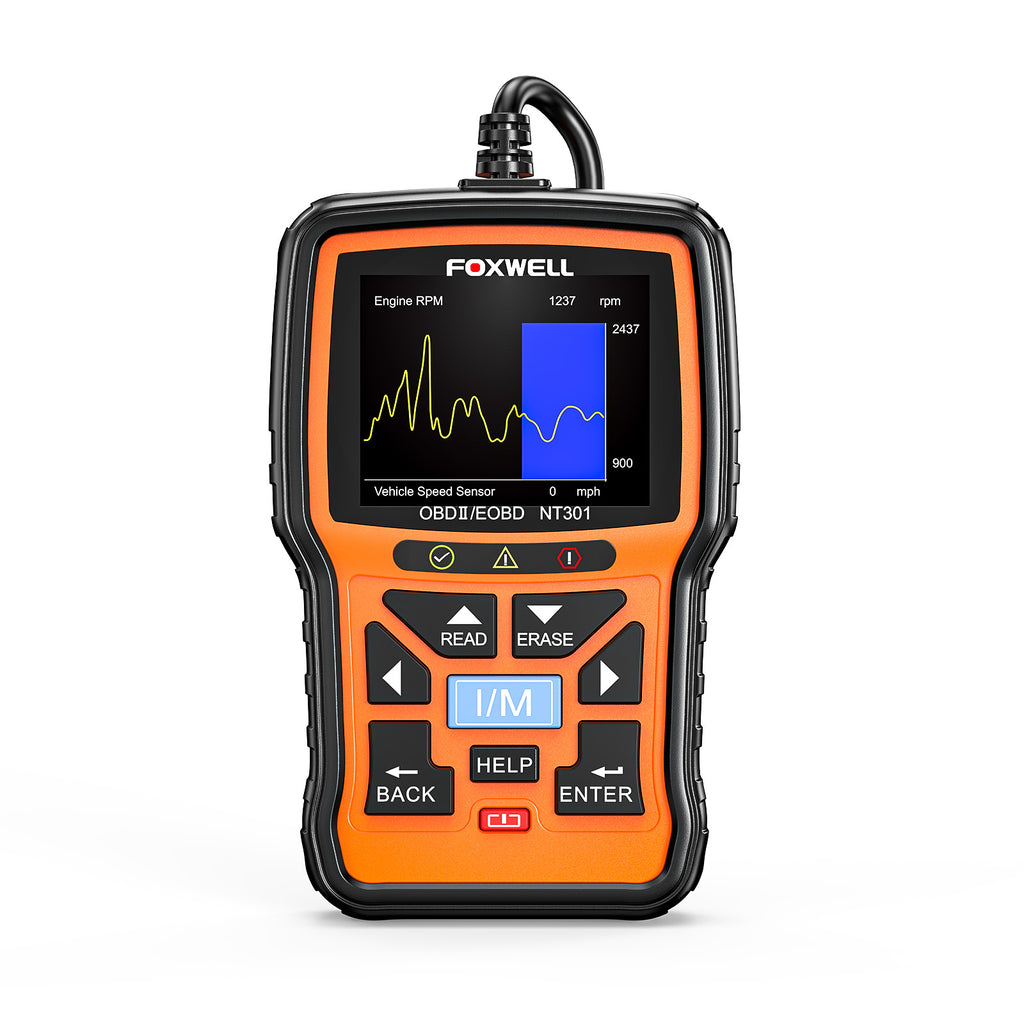
OBD2 Scanners · $
Foxwell NT301
Good for a basic garage kit when the goal is reading codes, not controlling vehicle systems.
- Best for
- Simple code reading and emissions readiness checks.
- Check first
- Do not expect advanced module coverage from a budget reader.
Compare fit and alternatives in Best OBD2 Scanner for DIY Mechanics.
OBD2 Scanners · $
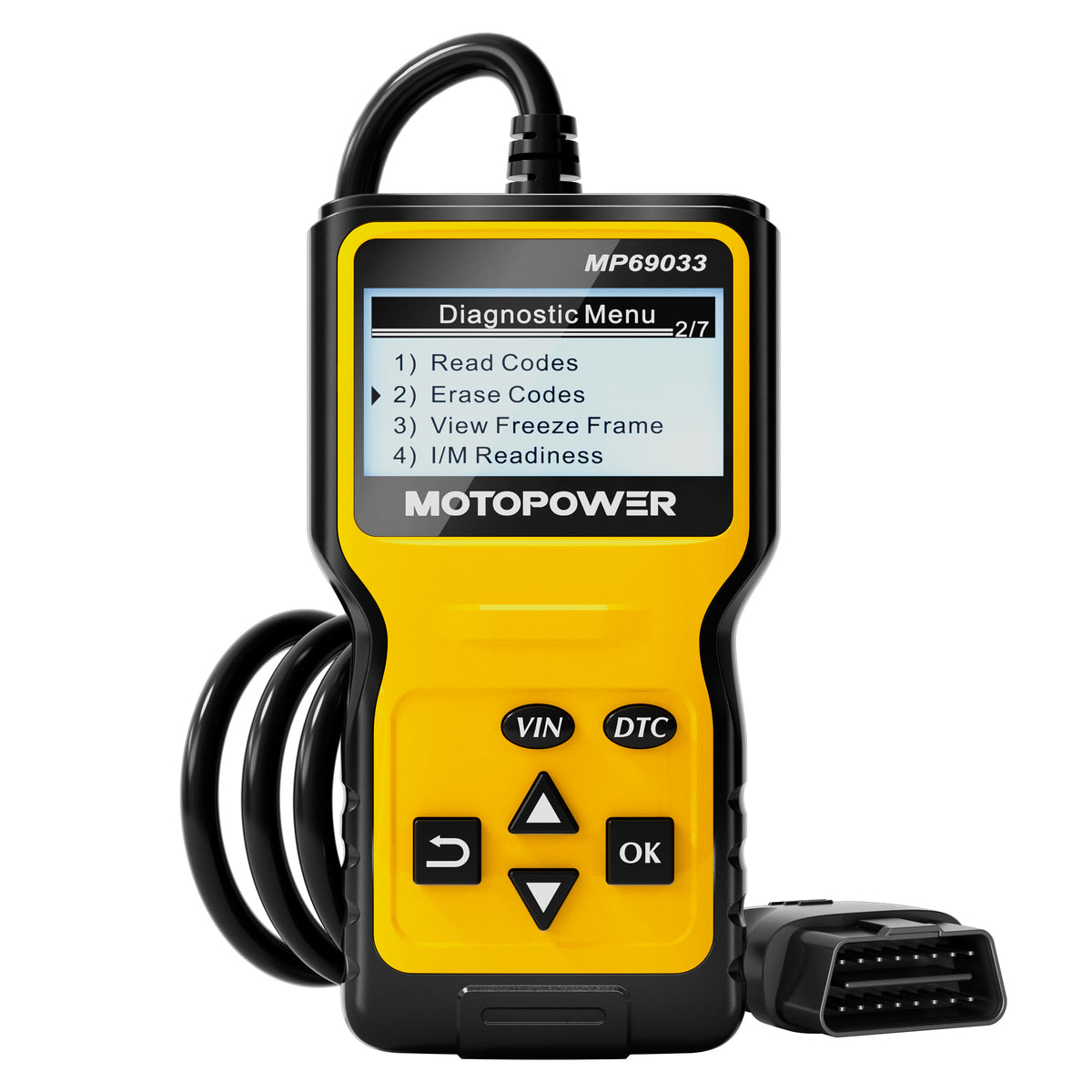
MOTOPOWER MP69033
A budget option for first-step code reading before deeper testing.
- Best for
- Keeping a low-cost code reader in the glovebox or home garage.
- Check first
- Very basic readers do not replace diagnostic judgment.
Compare fit and alternatives in Best OBD2 Scanner for DIY Mechanics.
Bidirectional Scan Tools · $$$
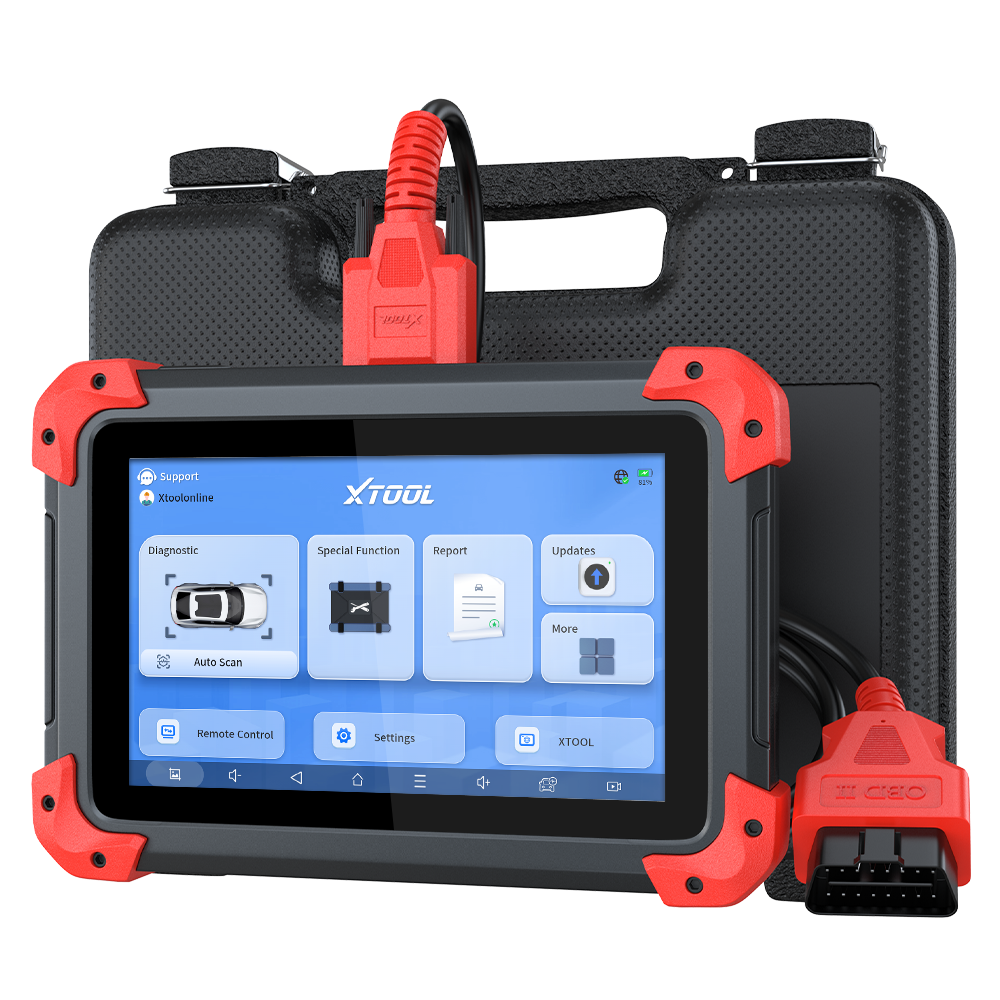
XTOOL D7
Shortlist the XTOOL D7 when a wired seven-inch tablet, bidirectional controls, report export, and broad service coverage fit the work; step down when codes and live data are enough.
- Best for
- Advanced DIY users and small shops that need documented all-system scans, live data, active tests, service functions, and shareable diagnostic reports.
- Check first
- XTOOL states that functions vary by manufacturer, model, year, and module. Confirm the exact active test, reset, protocol, and update term before buying.
Compare fit and alternatives in Best Bidirectional Scan Tool.