Tier comparison
A basic code reader handles generic powertrain codes and readiness. A Bluetooth scanner adds app reports and graphing when the app is good. An ABS/SRS scanner reaches more modules. A bidirectional tool can command supported functions. A professional tablet is for broader coverage, reports, shop workflow, and update-backed diagnostics.
What the chart should decide
The comparison should answer one question: what is the smallest tool class that can prove the next diagnostic step? That keeps a check-engine-light buyer from paying for immobilizer features and keeps an ABS buyer from wasting money on an engine-only code reader.
Fields that matter
Use columns for tool type, best user, systems covered, live data, service functions, app dependency, update cost, vehicle-fit risk, and common mistakes. Price alone is a weak sorting field because a cheap wrong tool is still expensive.
When to move up
Move from basic to Bluetooth when reports and graphs matter. Move to ABS/SRS when those lights are involved. Move to bidirectional only when a test requires commanding a supported component.
How to use Diagnostic Tool Lab
Start with the comparison page for product candidates, then open the category hub that matches the required system and skill level.
Frequently asked questions
What are the main OBD2 scanner types?
The practical tiers are basic code reader, Bluetooth app scanner, ABS/SRS scanner, bidirectional scan tool, and professional diagnostic tablet.
Is a comparison chart better than a ranked list?
For diagnostic tools, yes. A chart makes feature boundaries and compatibility risks easier to see.
What should I compare besides price?
Compare system coverage, live data, app dependency, update terms, exact vehicle support, and return-window testing.
Best next page
Use the OBD2 Scanners guide when this diagnostic path points to a purchase decision. Compare job fit, limitations, compatibility, and the cost of ownership before choosing a model.
Open OBD2 Scanners guideRelated diagnostic guides
Continue with the closest compatibility, workflow, and buying questions for this tool family.
Tools to compare next
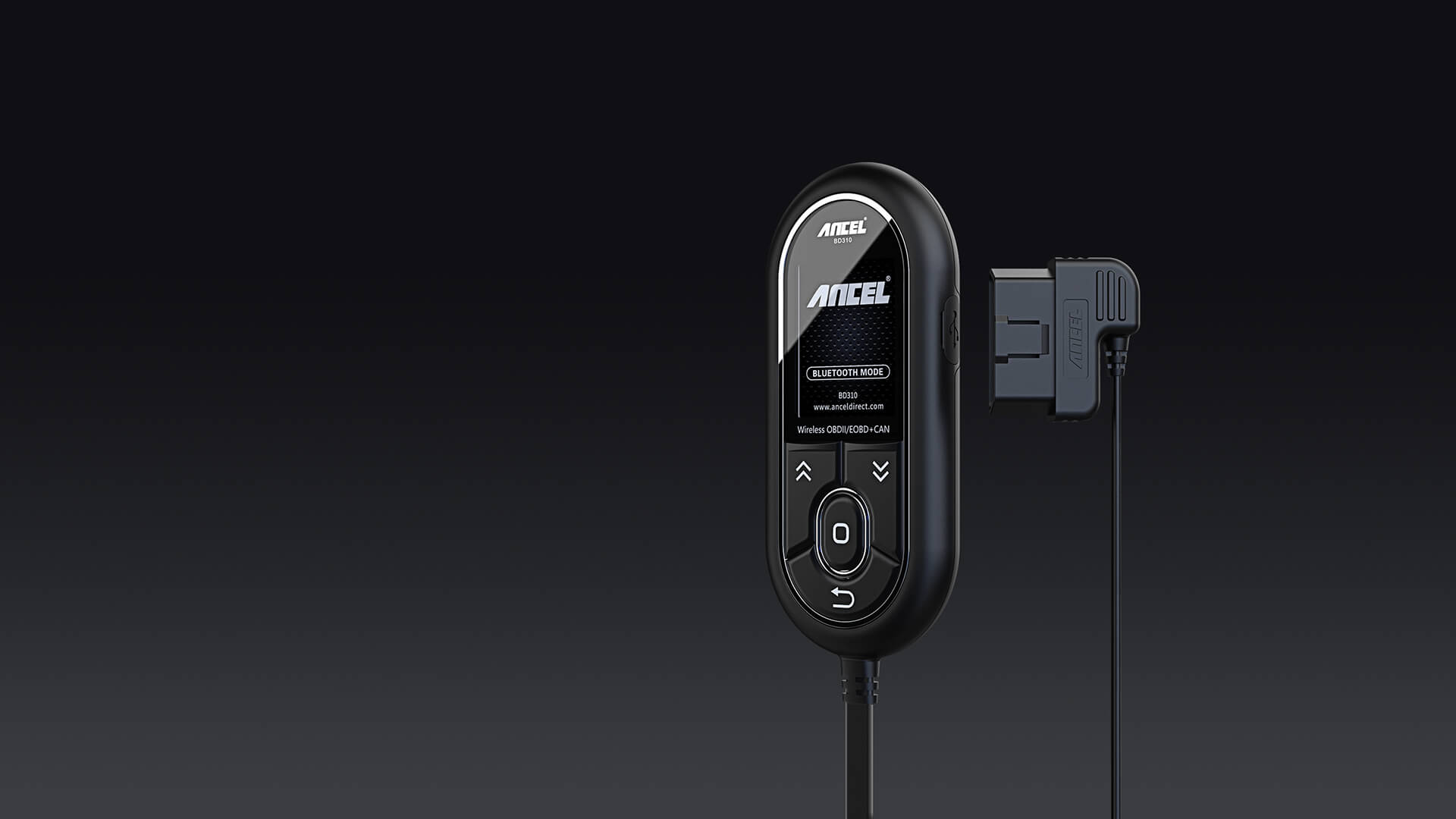
OBD2 Scanners · $$
ANCEL BD310
A sensible starter candidate for check engine light work when you want more than the cheapest code reader.
- Best for
- Drivers who want a simple handheld screen plus app support.
- Check first
- Confirm your phone compatibility and the functions you need before buying.
Compare fit and alternatives in Best OBD2 Scanner for DIY Mechanics.
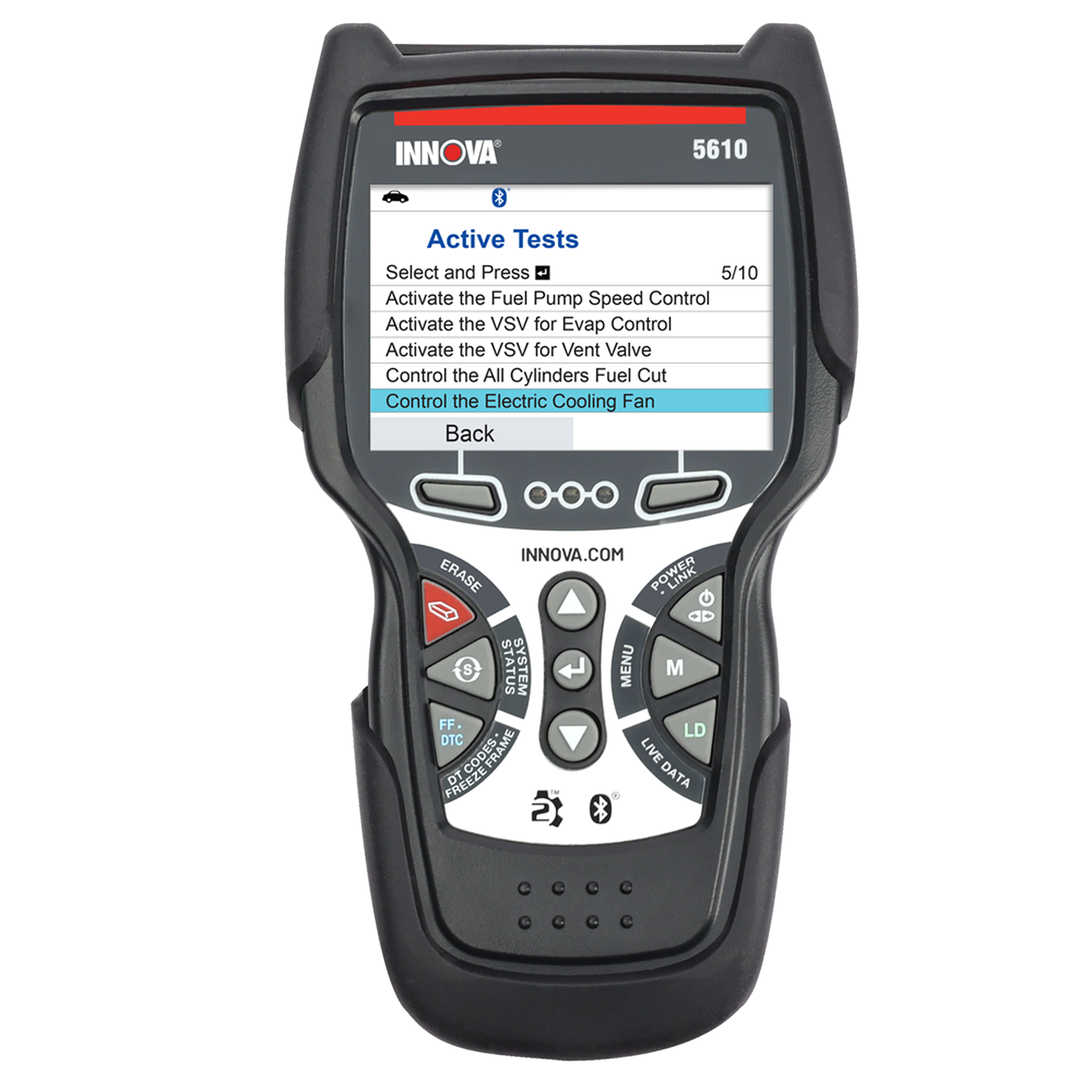
OBD2 Scanners · $$$
Innova 5610
Worth shortlisting when you want ABS/SRS style depth without jumping into shop-level scan tools.
- Best for
- DIY users who want a broader feature set than a basic reader.
- Check first
- Advanced functions can vary by vehicle. Check module and service coverage first.
Compare fit and alternatives in Best OBD2 Scanner for DIY Mechanics.
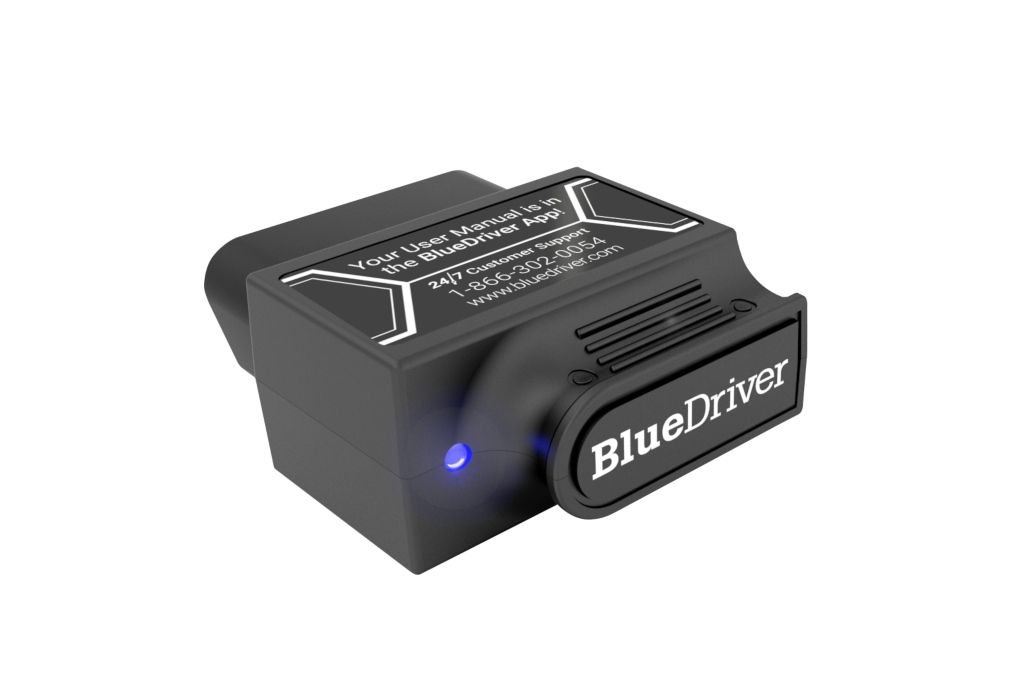
OBD2 Scanners · $$
BlueDriver Pro
A strong candidate for people who would rather use a phone than a handheld scanner.
- Best for
- Phone-first users who prefer app-guided diagnostics.
- Check first
- It is app-dependent, so phone support and update quality matter.
Compare fit and alternatives in Best OBD2 Scanner for DIY Mechanics.
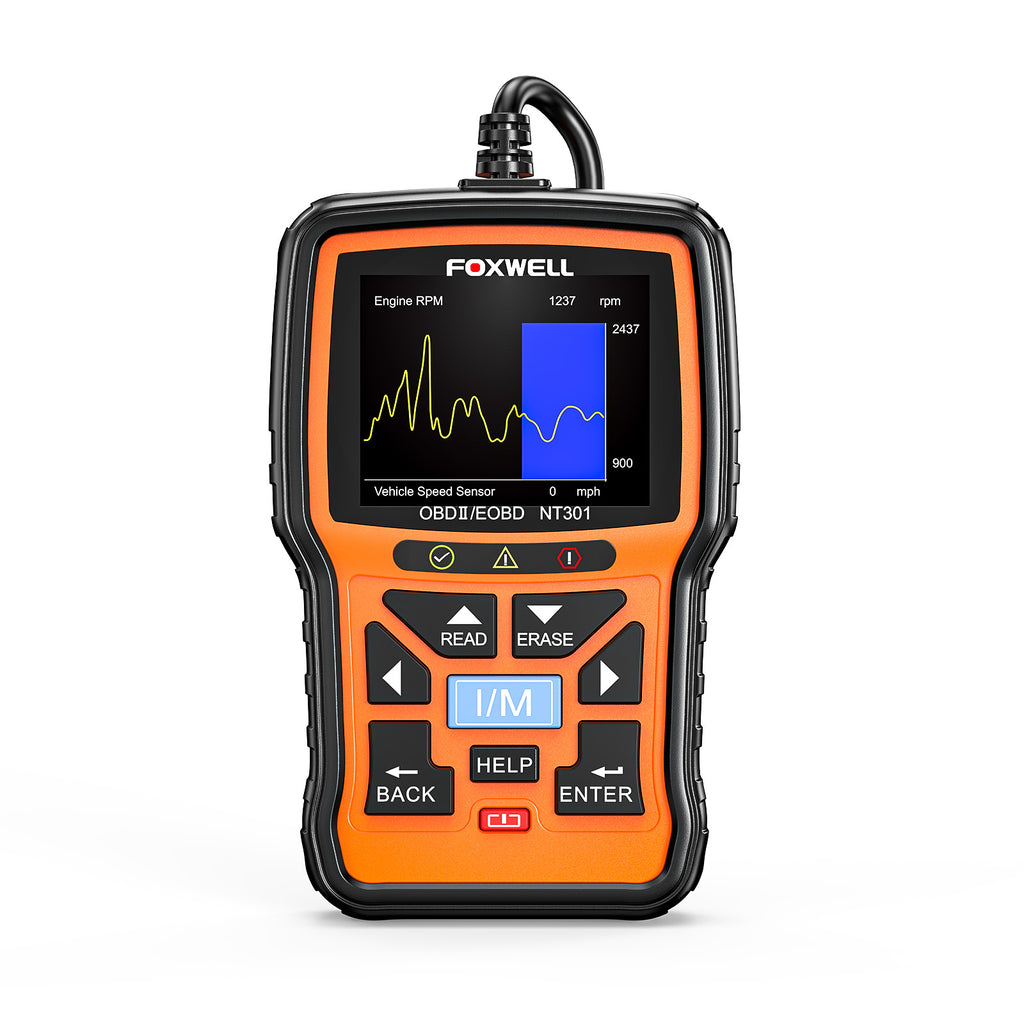
OBD2 Scanners · $
Foxwell NT301
Good for a basic garage kit when the goal is reading codes, not controlling vehicle systems.
- Best for
- Simple code reading and emissions readiness checks.
- Check first
- Do not expect advanced module coverage from a budget reader.
Compare fit and alternatives in Best OBD2 Scanner for DIY Mechanics.
OBD2 Scanners · $
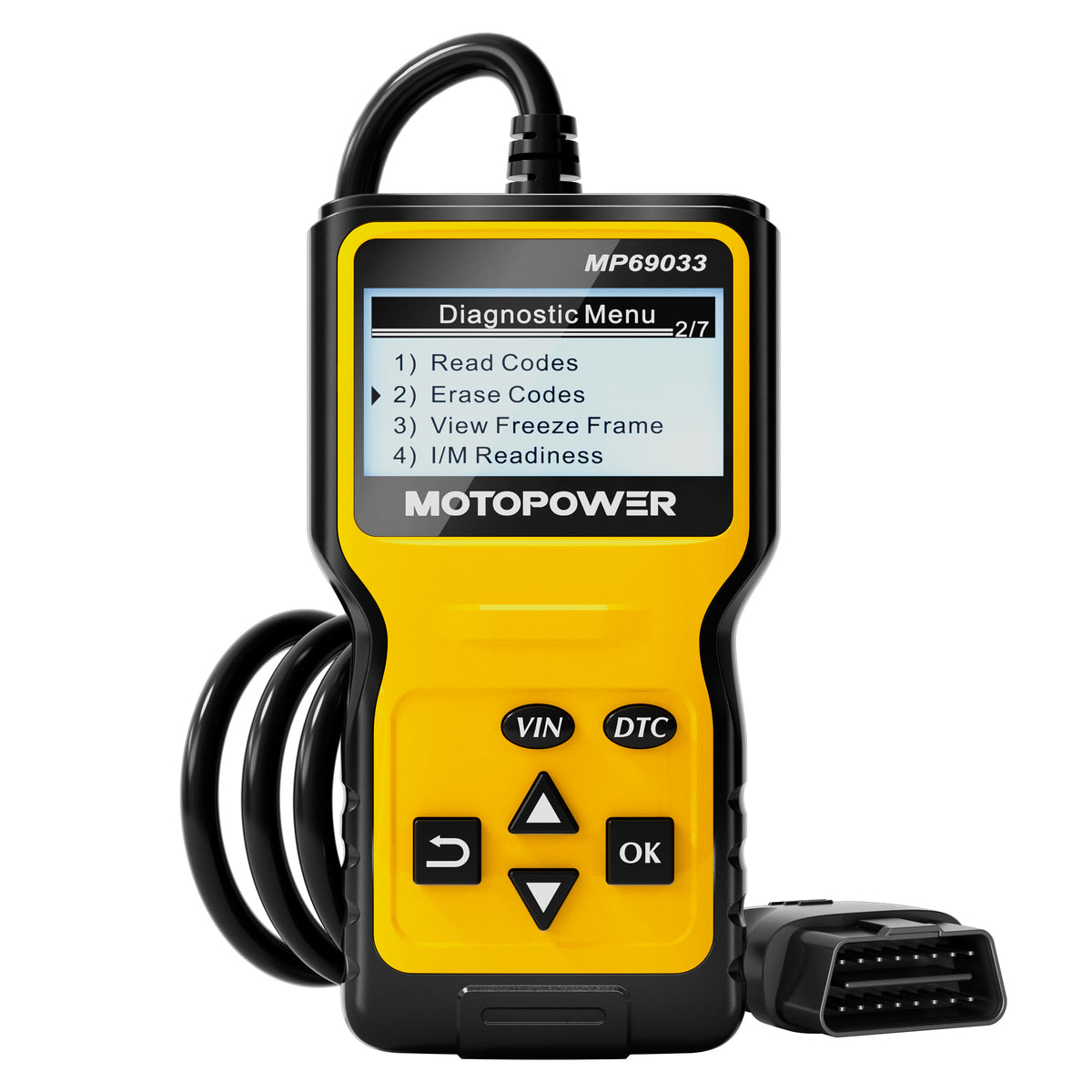
MOTOPOWER MP69033
A budget option for first-step code reading before deeper testing.
- Best for
- Keeping a low-cost code reader in the glovebox or home garage.
- Check first
- Very basic readers do not replace diagnostic judgment.
Compare fit and alternatives in Best OBD2 Scanner for DIY Mechanics.
Bidirectional Scan Tools · $$$
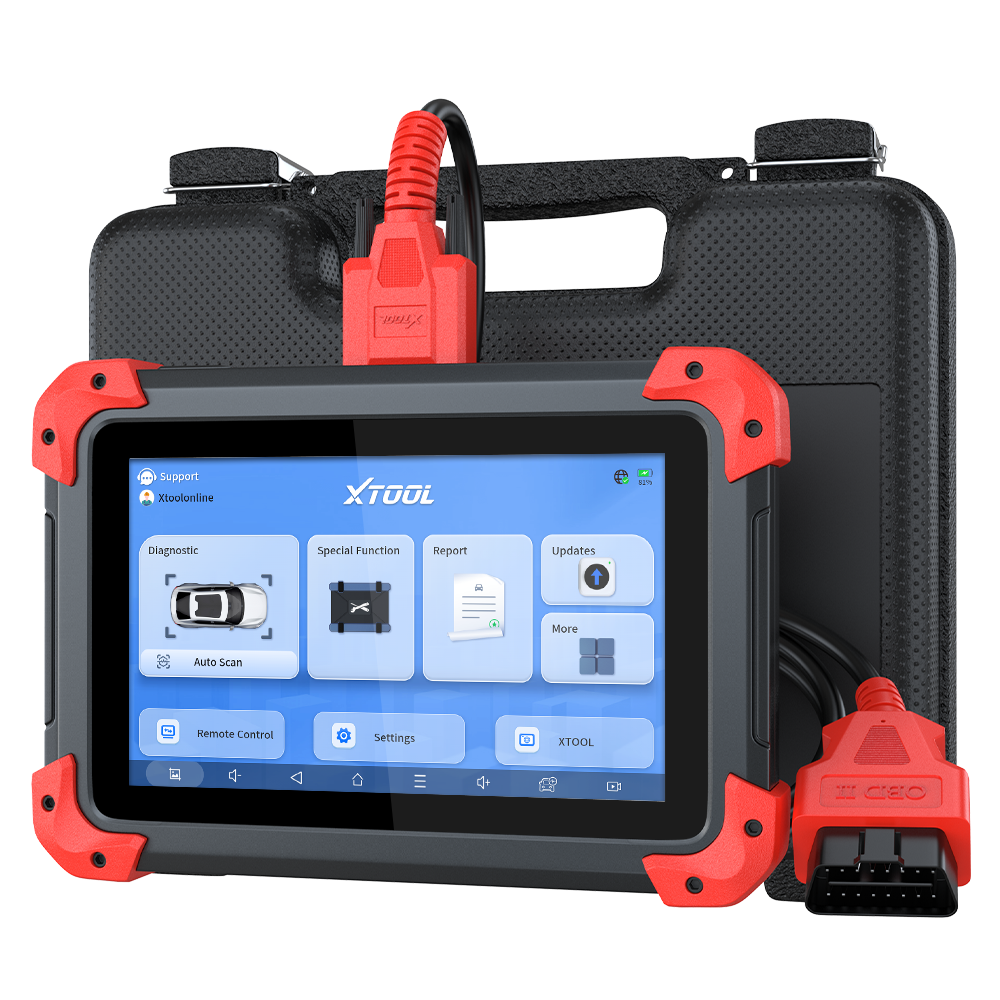
XTOOL D7
Shortlist the XTOOL D7 when a wired seven-inch tablet, bidirectional controls, report export, and broad service coverage fit the work; step down when codes and live data are enough.
- Best for
- Advanced DIY users and small shops that need documented all-system scans, live data, active tests, service functions, and shareable diagnostic reports.
- Check first
- XTOOL states that functions vary by manufacturer, model, year, and module. Confirm the exact active test, reset, protocol, and update term before buying.
Compare fit and alternatives in Best Bidirectional Scan Tool.