/dp/B07SZX8QXH?tag=diagnosticsto-20
Check first: Pinless readings are relative and material-dependent. Metal, depth, surface conditions, and mixed assemblies can distort the result.
Check availability on Amazon
Updated Aug 11, 2026Shortlist fit, limitations, and ownership terms reviewedHow we evaluate
Independent buying guide
Best Moisture Meter for Home Diagnosis
Pin and pinless meters for tracing suspicious moisture in drywall, wood, and other supported building materials. This guide is built to help you choose by job, not by hype.
Short answer: Use a moisture meter to compare suspicious and known-dry areas in supported building materials, then confirm the pattern before opening a wall or making a mold or leak claim.
The useful split is measurement method: pinless meters map a broader area without holes, while pin meters sample a smaller contact path and can add localized confirmation.
Buying checks that matter
- Pin or pinless workflow
- Supported material modes
- Relative vs percentage reading
- Depth, metal, and edge interference
Compatibility-first path
Choose the smallest suitable building moisture meters path before opening a listing.
Buyer constraint: Use a moisture meter to compare suspicious and known-dry areas in supported building materials, then confirm the pattern before opening a wall or making a mold or leak claim.
Limitation: A moisture meter is a comparison tool, not proof of mold or a hidden leak by itself. Match the measurement method and material setting to the surface, establish a dry baseline, and confirm unusual readings with a second inspection method. A product can fit one job and still be the wrong purchase when the vehicle, material, adapter, app, update term, or confirmation method changes.
/dp/B00275F5O2?tag=diagnosticsto-20
Check first: Pins sample a small area and can mark the surface. Use the correct material mode and several comparison readings.
Check availability on Amazon
Models to compare first
| Product | Best fit | Check before buying | Profile |
|---|---|---|---|
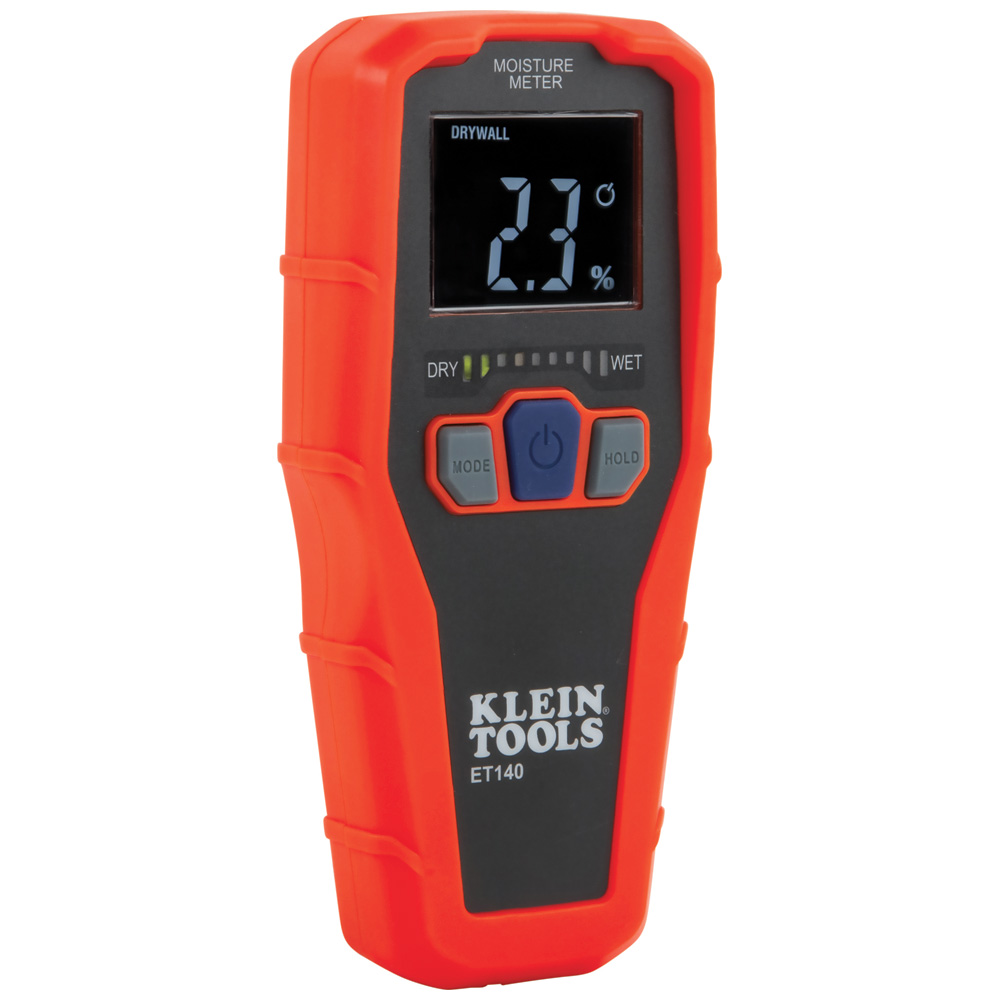
| Klein Tools ET140 | Non-invasive relative moisture comparisons across supported drywall, masonry, hardwood, and softwood materials. | Pinless readings are relative and material-dependent. Metal, depth, surface conditions, and mixed assemblies can distort the result. | View profile |
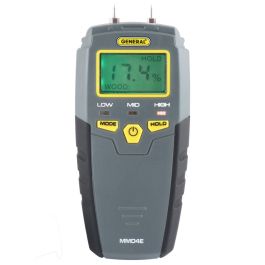
| General Tools MMD4E | Direct spot checks in wood and drywall when small pin marks are acceptable. | Pins sample a small area and can mark the surface. Use the correct material mode and several comparison readings. | View profile |
Shortlist
Products in this guide
Building Moisture Meters · $$
Klein Tools ET140
A strong first moisture-screening tool when avoiding pin holes matters and suspicious areas can be compared with a dry baseline.
- Best for
- Non-invasive relative moisture comparisons across supported drywall, masonry, hardwood, and softwood materials.
- Check first
- Pinless readings are relative and material-dependent. Metal, depth, surface conditions, and mixed assemblies can distort the result.
Compare fit and alternatives in Best Moisture Meter for Home Diagnosis.
Building Moisture Meters · $
General Tools MMD4E
A straightforward pin-meter option for buyers who want localized readings instead of a non-invasive scan.
- Best for
- Direct spot checks in wood and drywall when small pin marks are acceptable.
- Check first
- Pins sample a small area and can mark the surface. Use the correct material mode and several comparison readings.
Compare fit and alternatives in Best Moisture Meter for Home Diagnosis.
How to choose
Match the measurement to the inspection question first. A moisture meter and a thermal camera can both reveal a useful pattern, but neither identifies the cause by itself. A more expensive imager or meter can still disappoint when its material, connector, depth, focus, or environmental limits do not fit the job.
- Write down the surface, target, working distance, and suspected condition.
- Check measurement method, device compatibility, interference limits, and current model revision.
- Plan the second test that will confirm the observed pattern.
- Prefer clear limitations over dramatic detection claims.
How we evaluate the shortlist
We separate manufacturer-documented capability from editorial fit. Compatibility, measurement limits, included hardware, software terms, support clarity, and the safer alternative all matter before hands-on evidence is available.
Read the testing methodRelated guides
Best Moisture Meter for Drywall: Pin vs Pinless
For drywall screening, choose pinless for fast non-invasive comparisons and pin-type for localized confirmation, then compare suspicious readings with a known-dry area.
Pin vs Pinless Moisture Meter
Pin meters sample a small contact point; pinless meters scan a broader area without holes. Choose by material, scan depth, and whether you need mapping or spot confirmation.
Best Moisture Meter for Home Inspection
A useful home-inspection moisture kit starts with repeatable surface comparisons and adds a second method only when the first reading changes the inspection decision.
Klein ET140 vs General Tools MMD4E: Pinless or Pin?
Choose the Klein ET140 for non-invasive relative scanning and the General Tools MMD4E for localized pin readings; neither replaces material knowledge or a confirmation step.
Moisture Meter vs Thermal Camera
A thermal camera maps surface-temperature differences; a moisture meter compares material response. Use them together for confirmation, not as interchangeable leak detectors.