Start with code family
Group the code by system: misfire, fuel and air metering, ignition, emissions, EVAP, catalyst, cooling, transmission, or network communication. This prevents one-code one-part guessing.
Add context
Freeze-frame values tell you when the fault set. Coolant temperature, load, RPM, speed, fuel trim, and voltage can change the interpretation of the same code.
Choose one next test
A good code-list workflow ends with one next test: smoke test, voltage check, fuel-pressure test, compression test, visual inspection, or live-data comparison.
Scanner feature tie-in
The right scanner for free-code work should show pending codes, permanent codes, readiness, freeze-frame, live data, and report export. Those features make free references more useful.
Do not overtrust definitions
Code definitions can vary between generic and manufacturer-specific systems. If the definition seems vague, check the vehicle-specific service information or get qualified help.
Frequently asked questions
What is a diagnostic codes list?
It is a reference that maps trouble codes to fault categories or definitions.
Is a free code list enough?
No. Use it with freeze-frame data, symptoms, and a confirming test.
Why are some code definitions different?
Generic and manufacturer-specific codes can vary by vehicle, system, and scan-tool database.
Best next page
Use the OBD2 Scanners guide when this diagnostic path points to a purchase decision. Compare job fit, limitations, compatibility, and the cost of ownership before choosing a model.
Open OBD2 Scanners guideRelated diagnostic guides
Continue with the closest compatibility, workflow, and buying questions for this tool family.
Tools to compare next
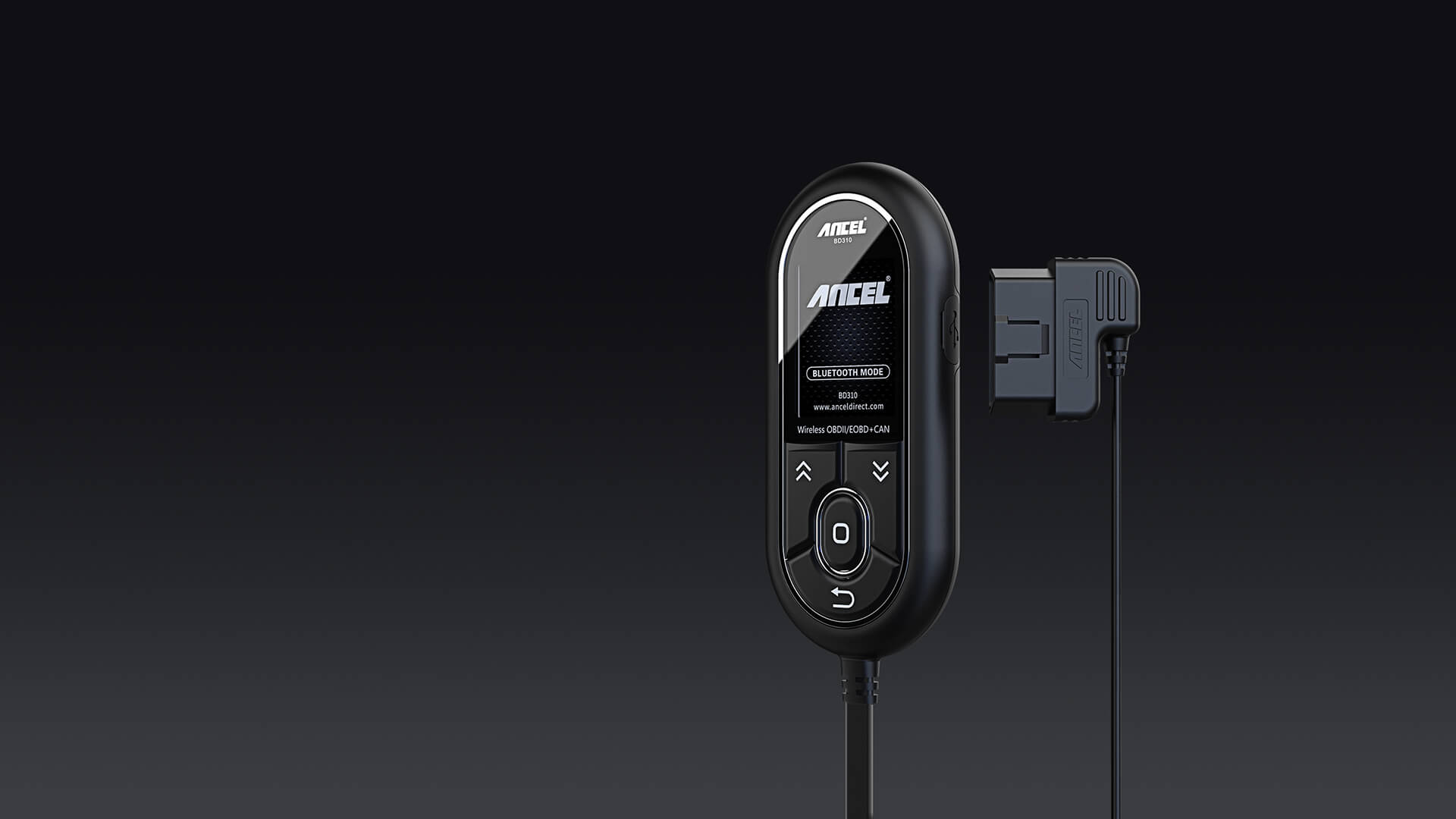
OBD2 Scanners · $$
ANCEL BD310
A sensible starter candidate for check engine light work when you want more than the cheapest code reader.
- Best for
- Drivers who want a simple handheld screen plus app support.
- Check first
- Confirm your phone compatibility and the functions you need before buying.
Compare fit and alternatives in Best OBD2 Scanner for DIY Mechanics.
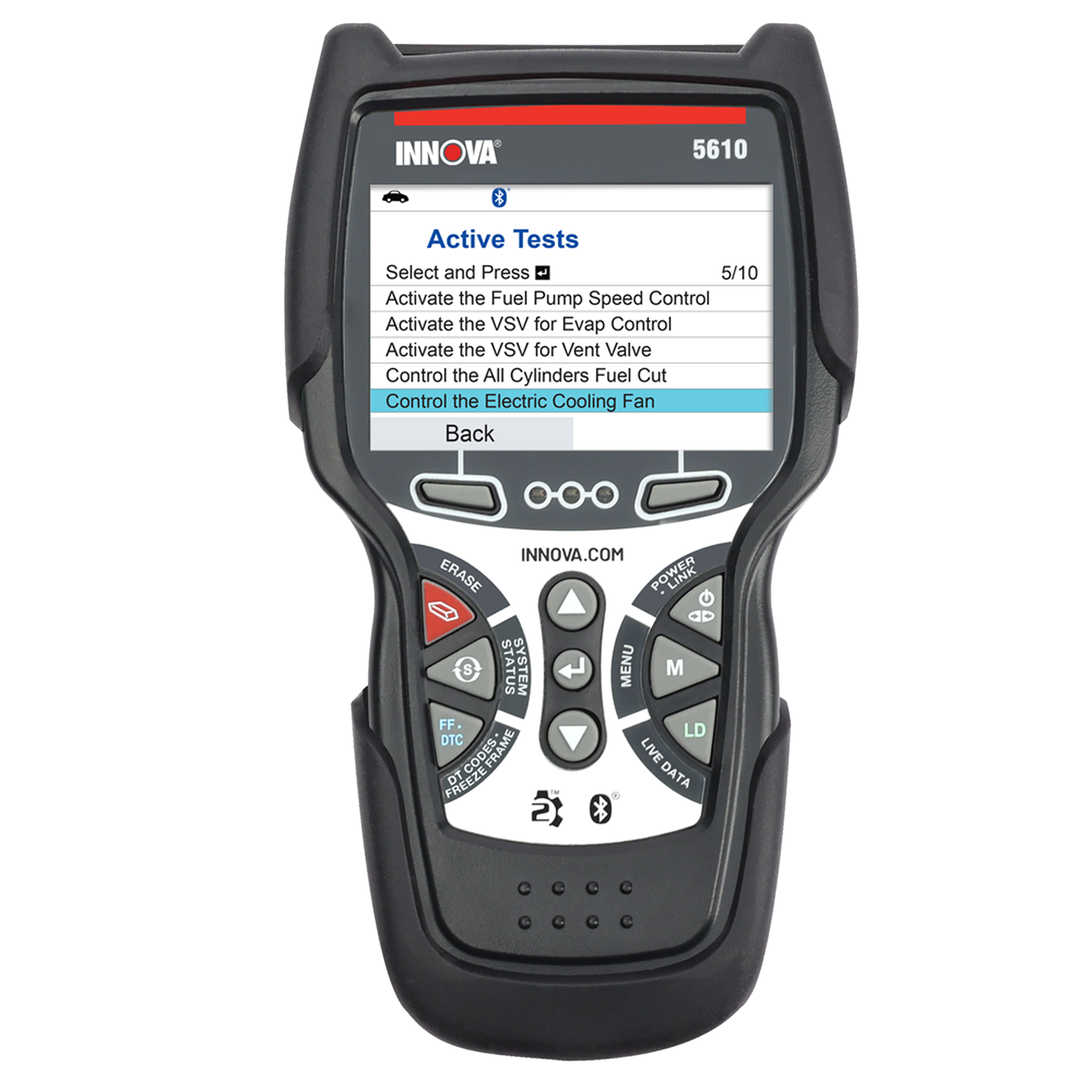
OBD2 Scanners · $$$
Innova 5610
Worth shortlisting when you want ABS/SRS style depth without jumping into shop-level scan tools.
- Best for
- DIY users who want a broader feature set than a basic reader.
- Check first
- Advanced functions can vary by vehicle. Check module and service coverage first.
Compare fit and alternatives in Best OBD2 Scanner for DIY Mechanics.
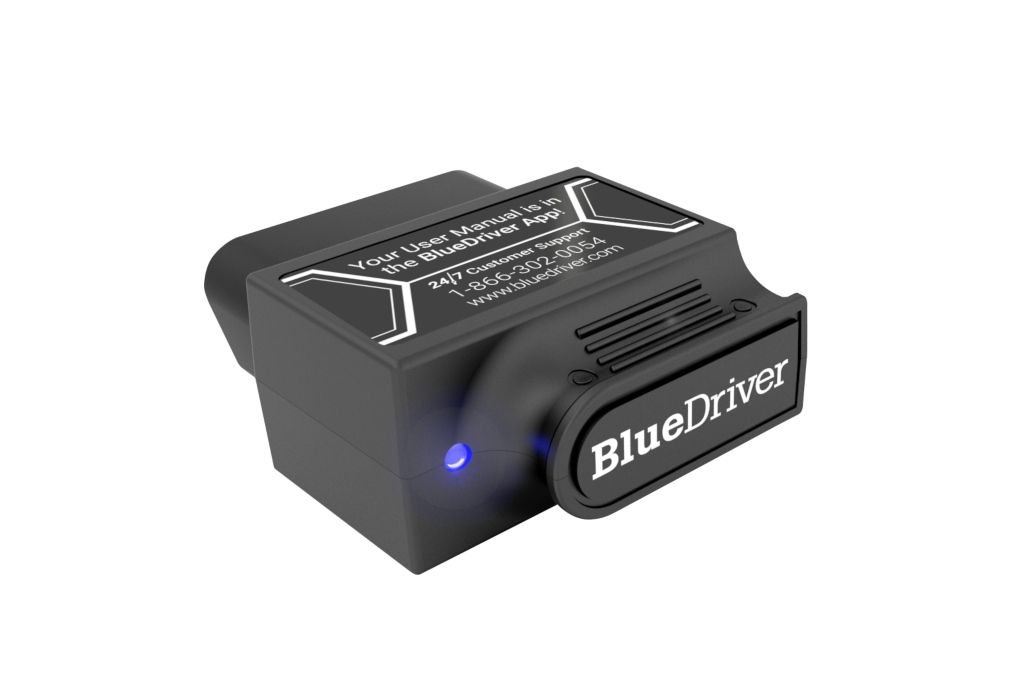
OBD2 Scanners · $$
BlueDriver Pro
A strong candidate for people who would rather use a phone than a handheld scanner.
- Best for
- Phone-first users who prefer app-guided diagnostics.
- Check first
- It is app-dependent, so phone support and update quality matter.
Compare fit and alternatives in Best OBD2 Scanner for DIY Mechanics.
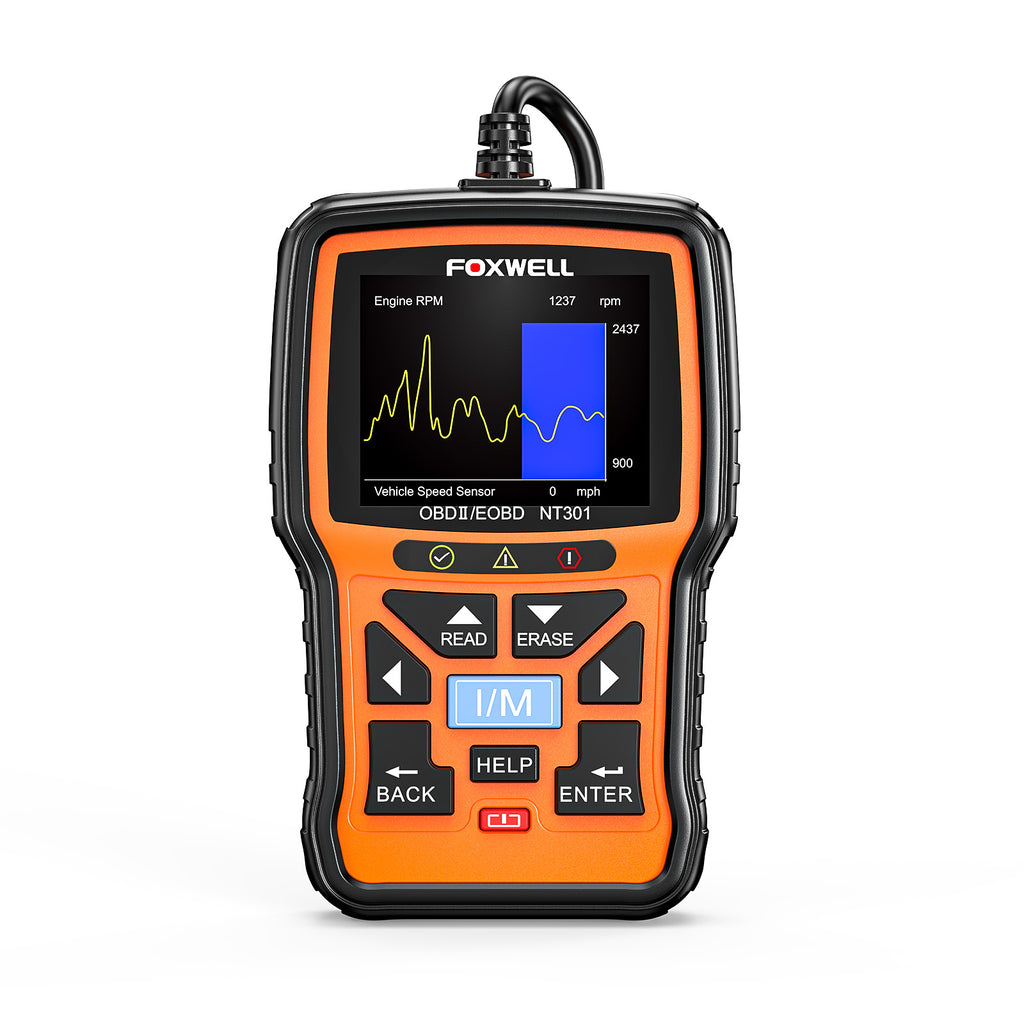
OBD2 Scanners · $
Foxwell NT301
Good for a basic garage kit when the goal is reading codes, not controlling vehicle systems.
- Best for
- Simple code reading and emissions readiness checks.
- Check first
- Do not expect advanced module coverage from a budget reader.
Compare fit and alternatives in Best OBD2 Scanner for DIY Mechanics.
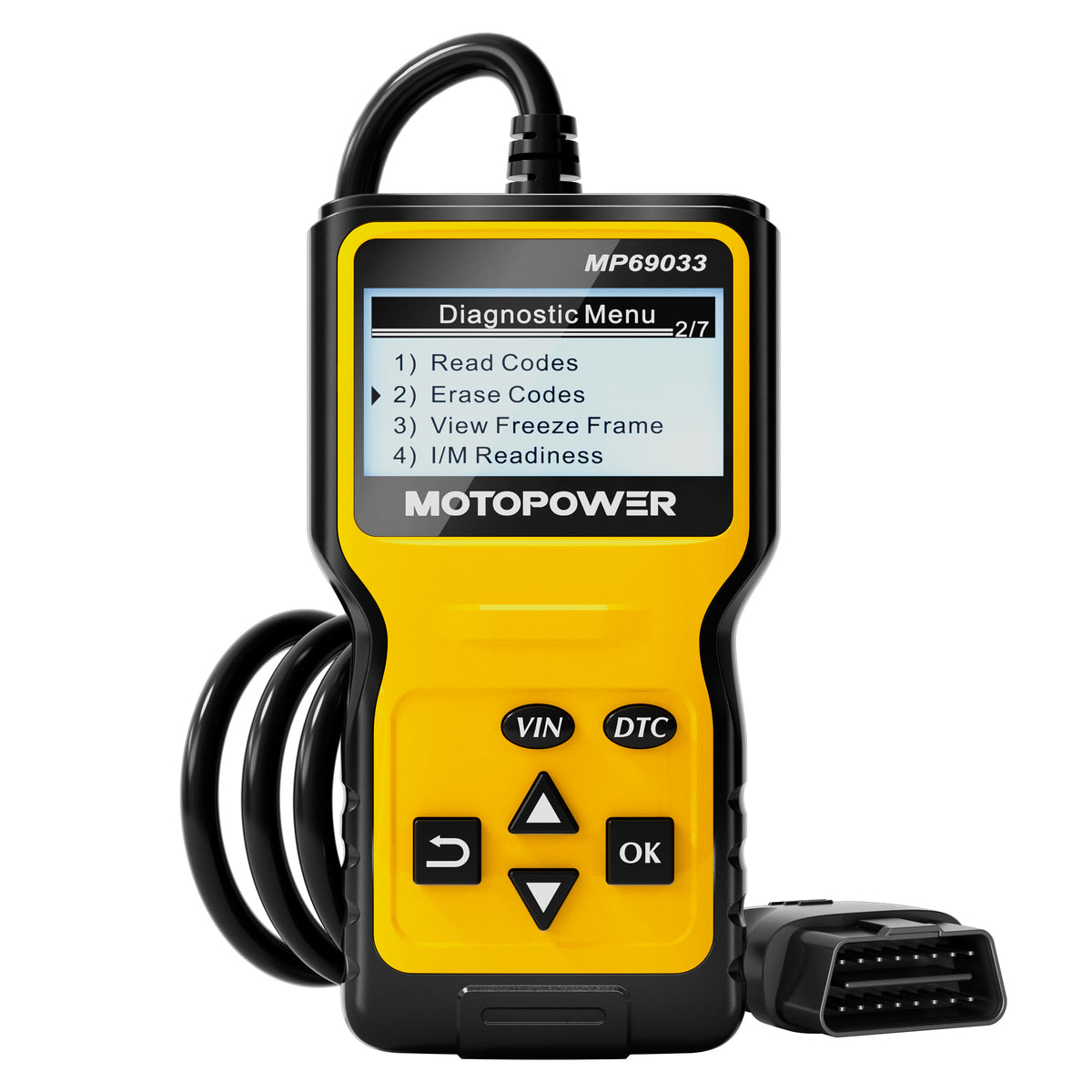
OBD2 Scanners · $
MOTOPOWER MP69033
A budget option for first-step code reading before deeper testing.
- Best for
- Keeping a low-cost code reader in the glovebox or home garage.
- Check first
- Very basic readers do not replace diagnostic judgment.
Compare fit and alternatives in Best OBD2 Scanner for DIY Mechanics.
OBD2 Scanners · $
LAUNCH CR529
A low-cost code-reader candidate for check-engine-light triage and basic readiness checks.
- Best for
- Budget buyers who want live data and emissions readiness in a simple handheld reader.
- Check first
- Do not expect ABS, SRS, or bidirectional controls from this class.
Compare fit and alternatives in Best OBD2 Scanner for DIY Mechanics.