What a code list is good for
A code list helps identify whether the fault points toward misfire, fuel trim, oxygen sensor, EVAP, catalyst, thermostat, transmission, or communication categories. That context helps you decide what evidence to gather next.
What a code list cannot prove
A code list cannot prove the failed part by itself. For example, an oxygen-sensor code can involve wiring, exhaust leaks, fuel control, sensor response, or engine condition. A catalyst code can be affected by misfires or sensor behavior.
Printable-style workflow
Record the code, code status, freeze-frame values, readiness, mileage, symptoms, recent repairs, and weather or driving conditions. Then write the next physical or data test beside the code family.
Scanner features that help
Choose a scanner that shows definitions, freeze-frame, pending and permanent codes, live data, and readiness monitors. Exporting a report makes the code-list workflow easier to share with a shop.
Safety note
Codes involving brakes, airbags, immobilizers, high-voltage systems, or drivability risk deserve extra caution and may need qualified diagnosis.
Frequently asked questions
Can I download an OBD2 codes list PDF?
Many code-list references exist, but the important step is pairing the code with freeze-frame data and a diagnostic test.
Does a code list tell me what part to buy?
No. It tells you the fault category. Diagnosis should confirm the cause before parts replacement.
What should I record with a code?
Record code status, freeze-frame data, readiness, symptoms, mileage, recent repairs, and the next test.
Best next page
Use the OBD2 Scanners guide when this diagnostic path points to a purchase decision. Compare job fit, limitations, compatibility, and the cost of ownership before choosing a model.
Open OBD2 Scanners guideRelated diagnostic guides
Continue with the closest compatibility, workflow, and buying questions for this tool family.
Tools to compare next
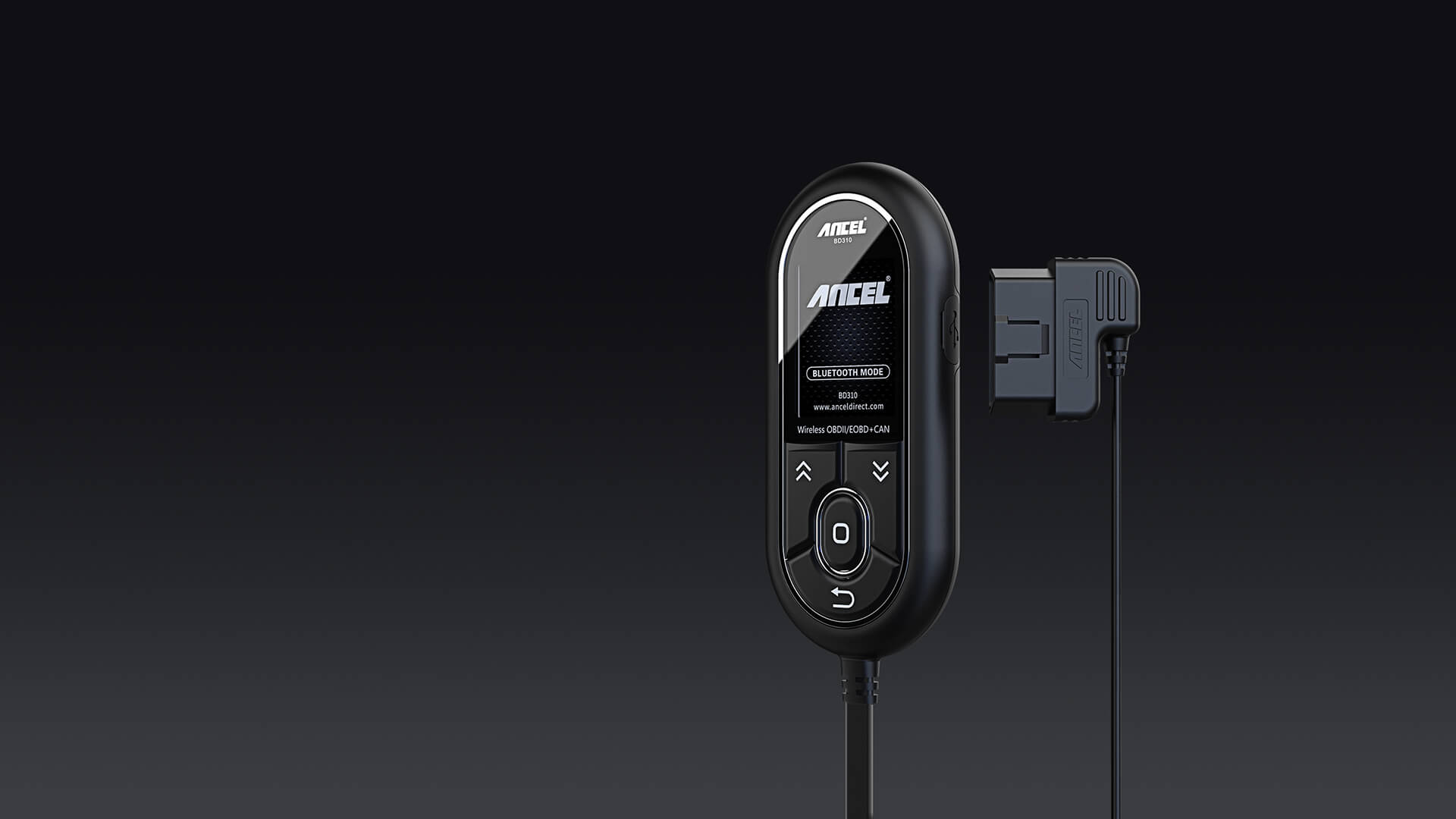
OBD2 Scanners · $$
ANCEL BD310
A sensible starter candidate for check engine light work when you want more than the cheapest code reader.
- Best for
- Drivers who want a simple handheld screen plus app support.
- Check first
- Confirm your phone compatibility and the functions you need before buying.
Compare fit and alternatives in Best OBD2 Scanner for DIY Mechanics.
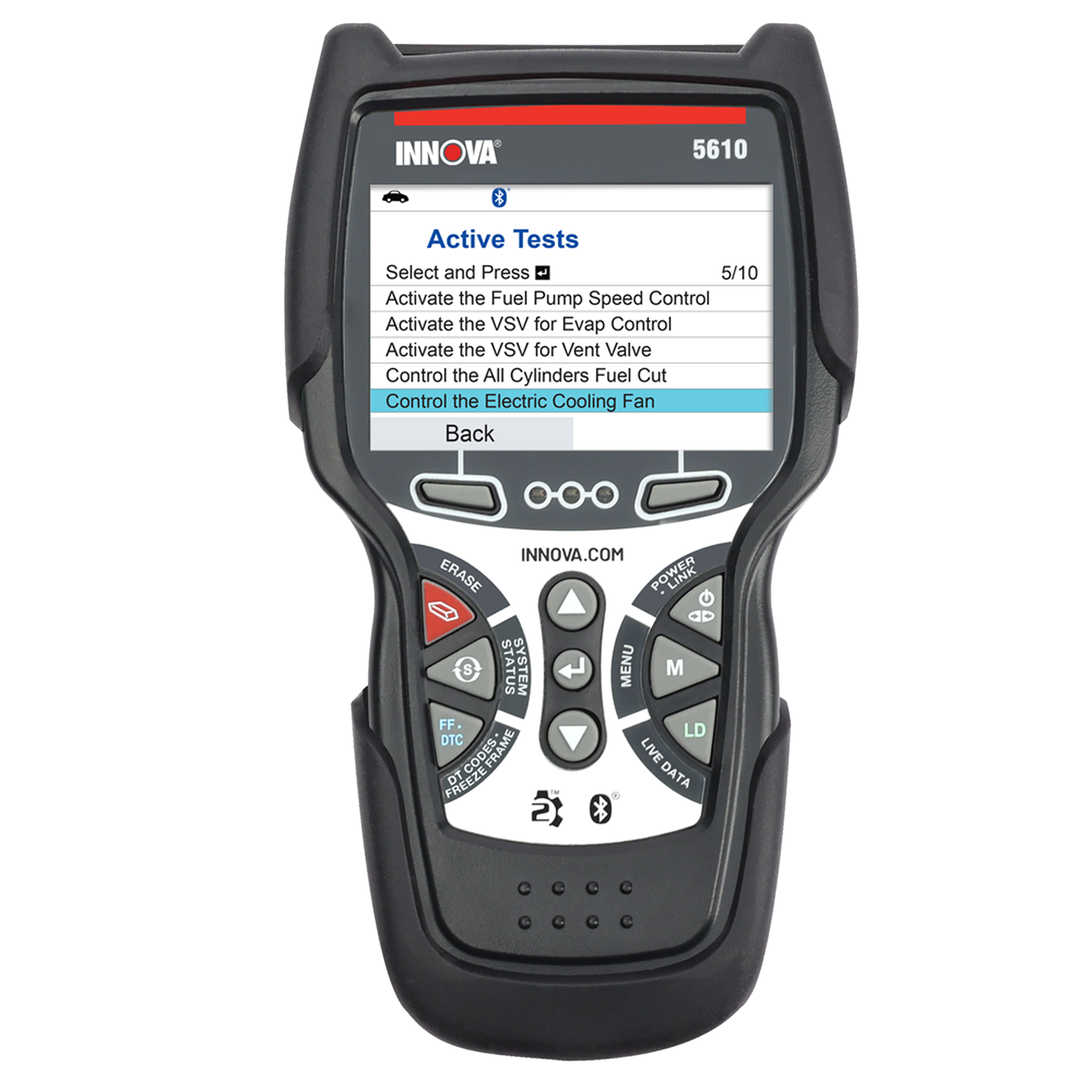
OBD2 Scanners · $$$
Innova 5610
Worth shortlisting when you want ABS/SRS style depth without jumping into shop-level scan tools.
- Best for
- DIY users who want a broader feature set than a basic reader.
- Check first
- Advanced functions can vary by vehicle. Check module and service coverage first.
Compare fit and alternatives in Best OBD2 Scanner for DIY Mechanics.
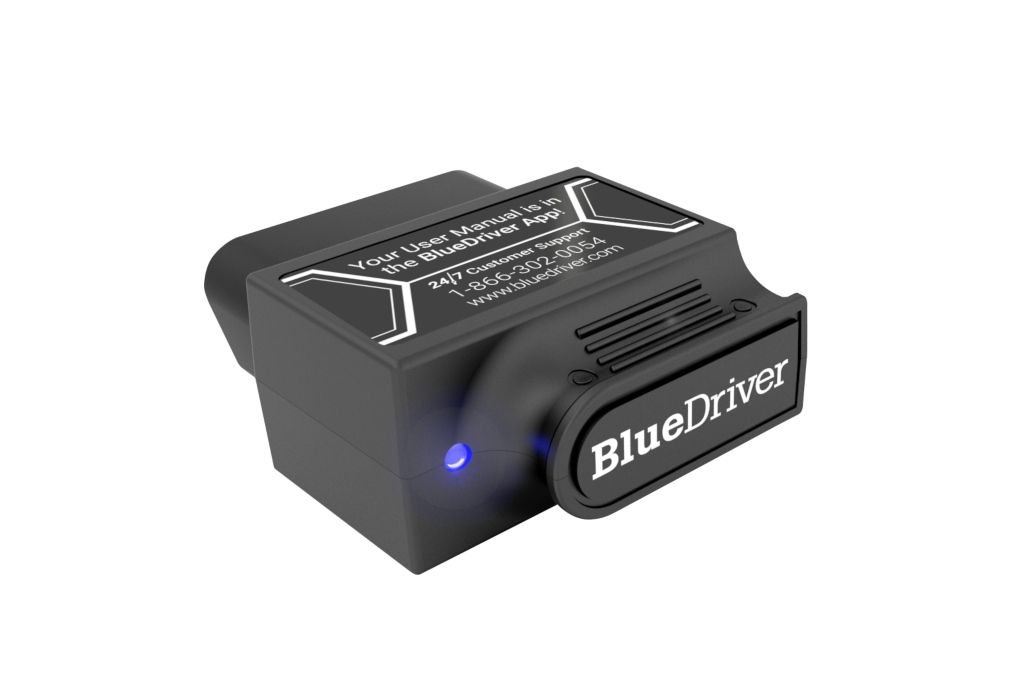
OBD2 Scanners · $$
BlueDriver Pro
A strong candidate for people who would rather use a phone than a handheld scanner.
- Best for
- Phone-first users who prefer app-guided diagnostics.
- Check first
- It is app-dependent, so phone support and update quality matter.
Compare fit and alternatives in Best OBD2 Scanner for DIY Mechanics.
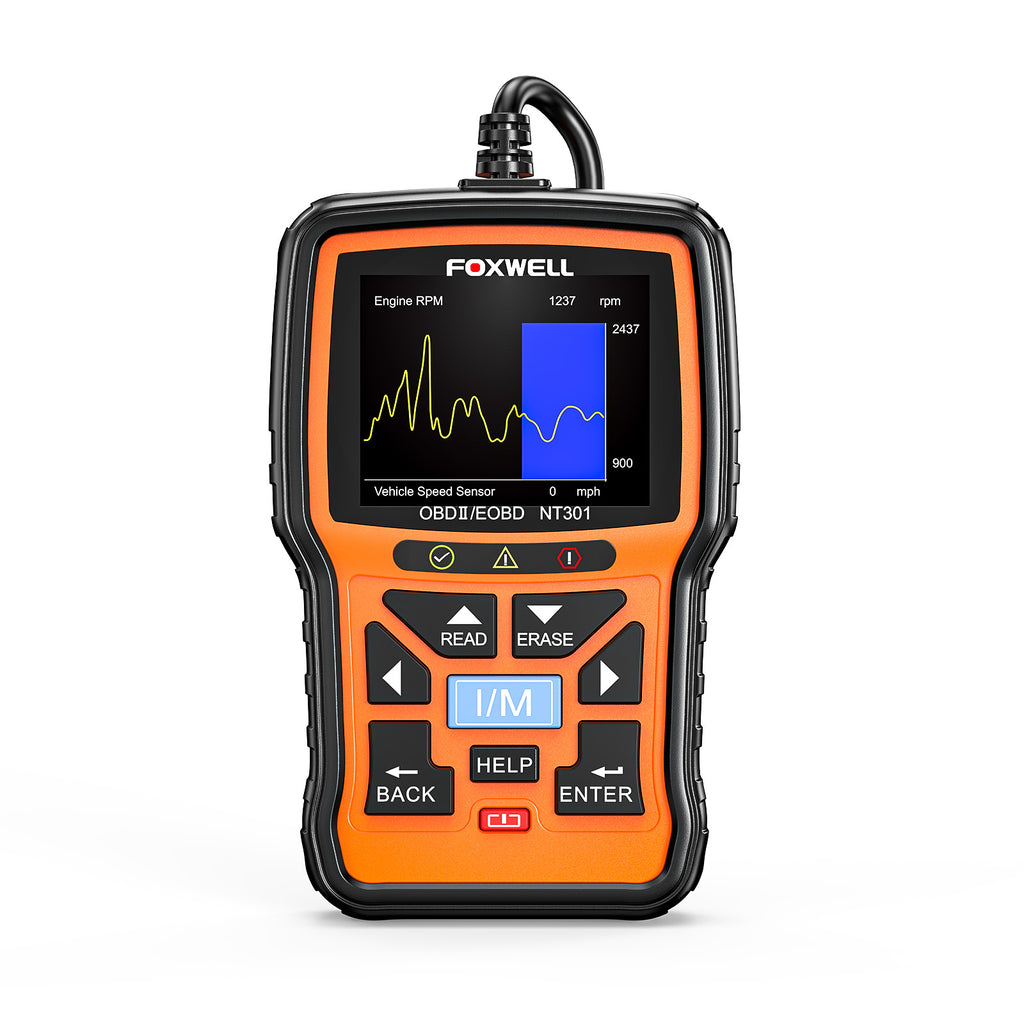
OBD2 Scanners · $
Foxwell NT301
Good for a basic garage kit when the goal is reading codes, not controlling vehicle systems.
- Best for
- Simple code reading and emissions readiness checks.
- Check first
- Do not expect advanced module coverage from a budget reader.
Compare fit and alternatives in Best OBD2 Scanner for DIY Mechanics.
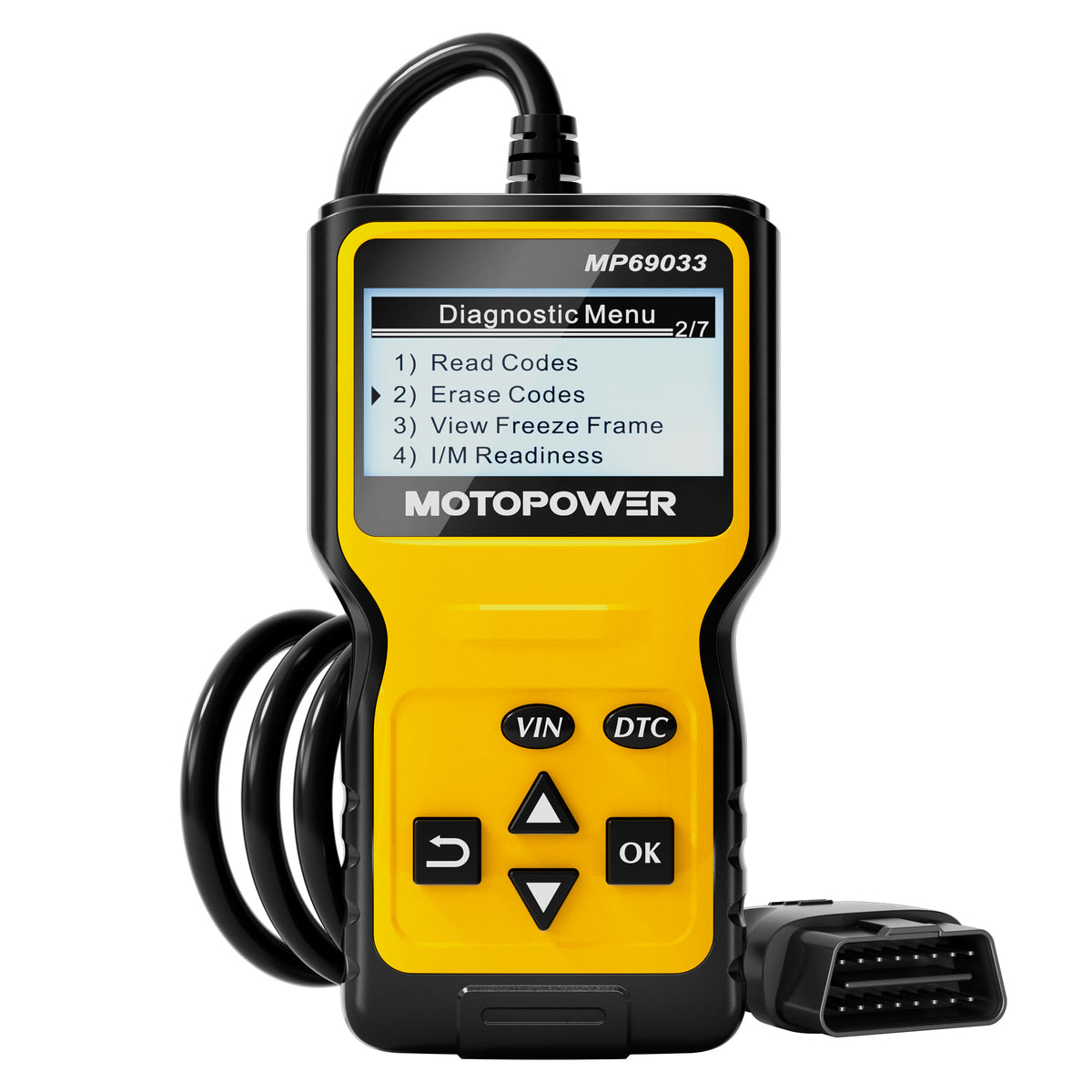
OBD2 Scanners · $
MOTOPOWER MP69033
A budget option for first-step code reading before deeper testing.
- Best for
- Keeping a low-cost code reader in the glovebox or home garage.
- Check first
- Very basic readers do not replace diagnostic judgment.
Compare fit and alternatives in Best OBD2 Scanner for DIY Mechanics.
OBD2 Scanners · $
LAUNCH CR529
A low-cost code-reader candidate for check-engine-light triage and basic readiness checks.
- Best for
- Budget buyers who want live data and emissions readiness in a simple handheld reader.
- Check first
- Do not expect ABS, SRS, or bidirectional controls from this class.
Compare fit and alternatives in Best OBD2 Scanner for DIY Mechanics.