What the scanner can prove
A scanner can prove which codes are stored, whether they are pending or confirmed, what conditions existed when the fault set, and whether monitors are ready. That evidence narrows the path but does not automatically name the failed part.
Best scanner features
For check-engine-light work, prioritize clear code reading, freeze-frame data, I/M readiness, live data, pending codes, permanent codes, report export, and simple menus. Advanced features are optional unless the symptom requires them.
Common code families
Misfire codes may need ignition, fuel, compression, or vacuum checks. EVAP codes may need cap inspection or smoke testing. Fuel-trim codes may need live data and air-leak checks. Catalyst codes require more than clearing and hoping.
When to upgrade
Upgrade from a basic reader when the engine code overlaps with ABS/SRS systems, manufacturer-specific data, bidirectional tests, or service functions. Otherwise the simplest reliable scanner may be enough.
Safe closeout
After repair, clear codes only when appropriate and confirm readiness or the monitor status needed for inspection.
Frequently asked questions
What scanner do I need for a check engine light?
A basic OBD2 scanner can start the job if it reads codes, freeze-frame data, readiness, and live data clearly.
Can parts stores read the code for free?
Many can read codes, but you still need the context and next diagnostic test before replacing parts.
What if the code comes back?
Record the exact code and conditions, then diagnose the system instead of repeatedly clearing it.
Best next page
Use the OBD2 Scanners guide when this diagnostic path points to a purchase decision. Compare job fit, limitations, compatibility, and the cost of ownership before choosing a model.
Open OBD2 Scanners guideRelated diagnostic guides
Continue with the closest compatibility, workflow, and buying questions for this tool family.
Tools to compare next
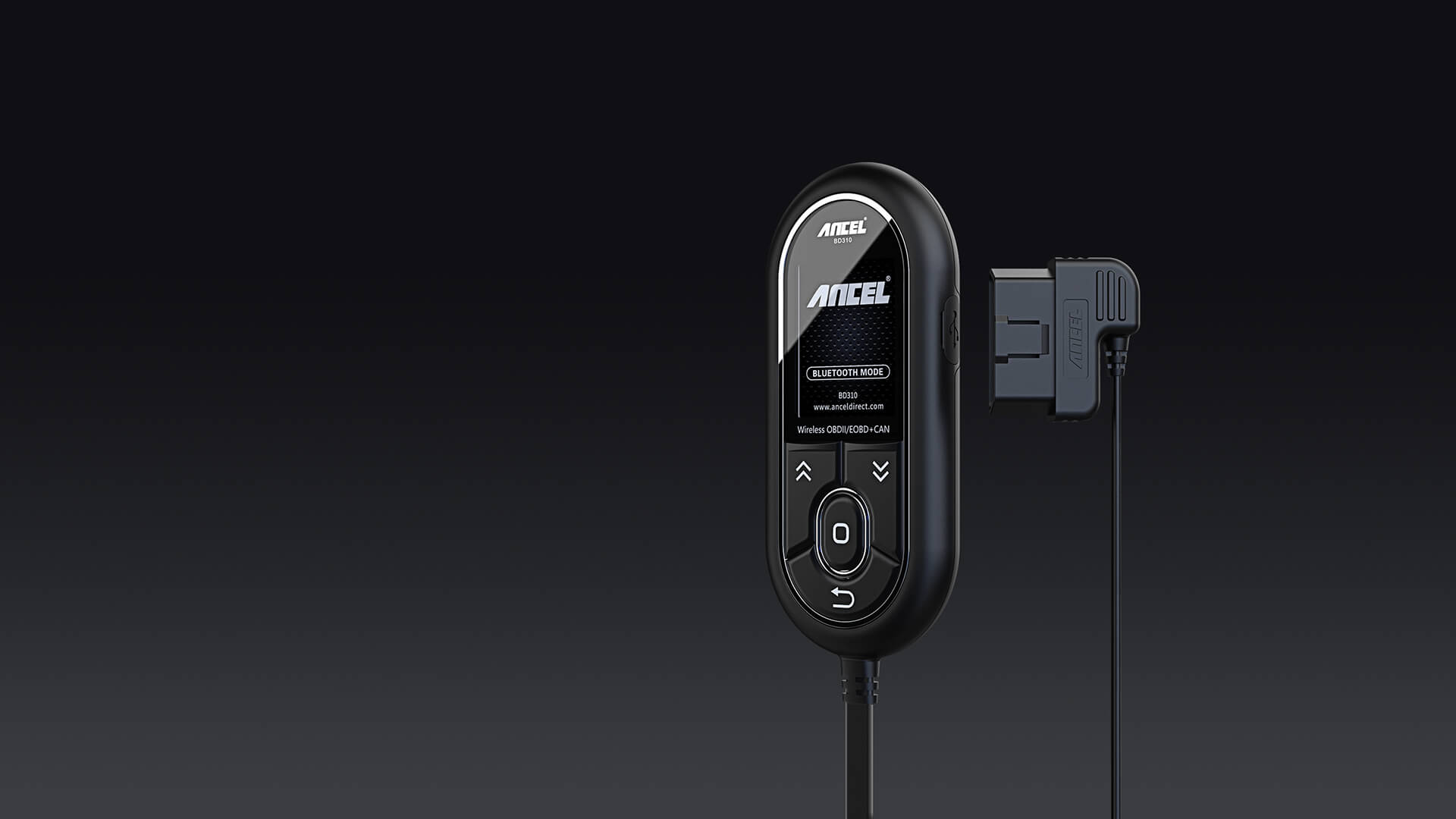
OBD2 Scanners · $$
ANCEL BD310
A sensible starter candidate for check engine light work when you want more than the cheapest code reader.
- Best for
- Drivers who want a simple handheld screen plus app support.
- Check first
- Confirm your phone compatibility and the functions you need before buying.
Compare fit and alternatives in Best OBD2 Scanner for DIY Mechanics.
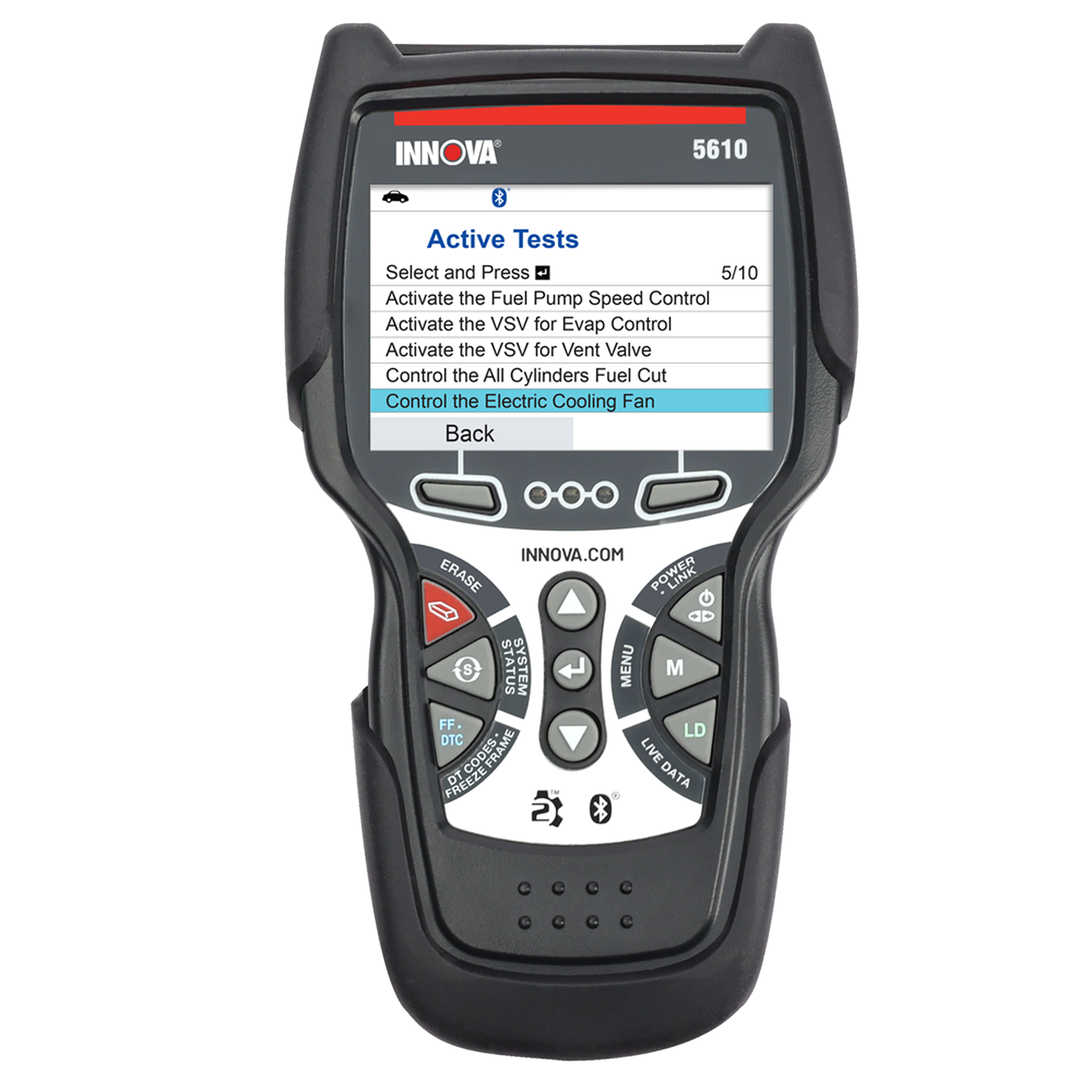
OBD2 Scanners · $$$
Innova 5610
Worth shortlisting when you want ABS/SRS style depth without jumping into shop-level scan tools.
- Best for
- DIY users who want a broader feature set than a basic reader.
- Check first
- Advanced functions can vary by vehicle. Check module and service coverage first.
Compare fit and alternatives in Best OBD2 Scanner for DIY Mechanics.
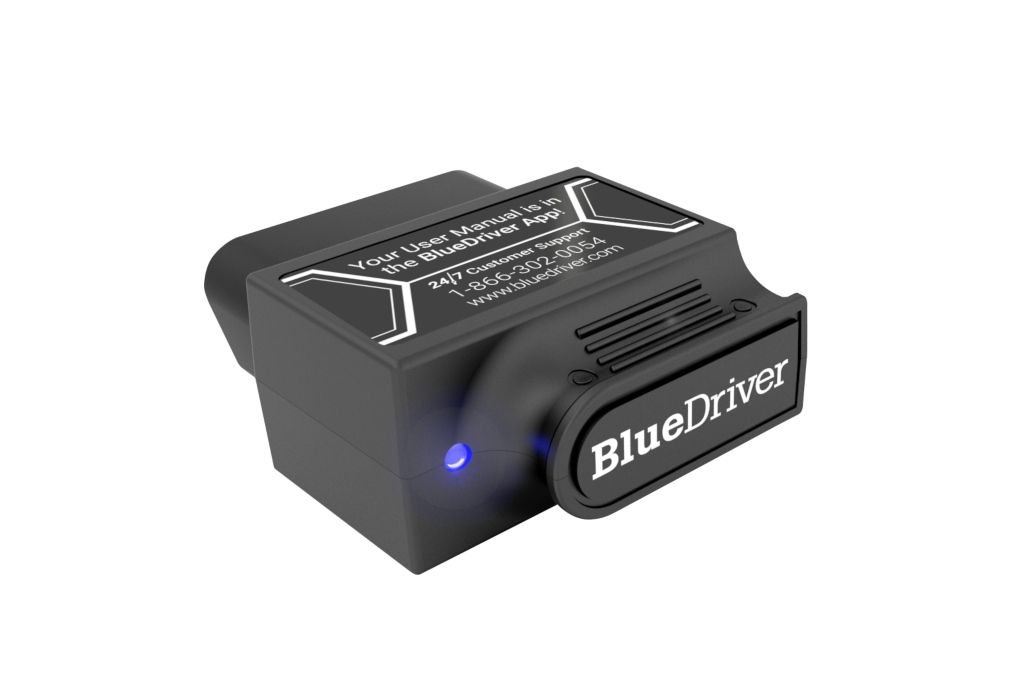
OBD2 Scanners · $$
BlueDriver Pro
A strong candidate for people who would rather use a phone than a handheld scanner.
- Best for
- Phone-first users who prefer app-guided diagnostics.
- Check first
- It is app-dependent, so phone support and update quality matter.
Compare fit and alternatives in Best OBD2 Scanner for DIY Mechanics.
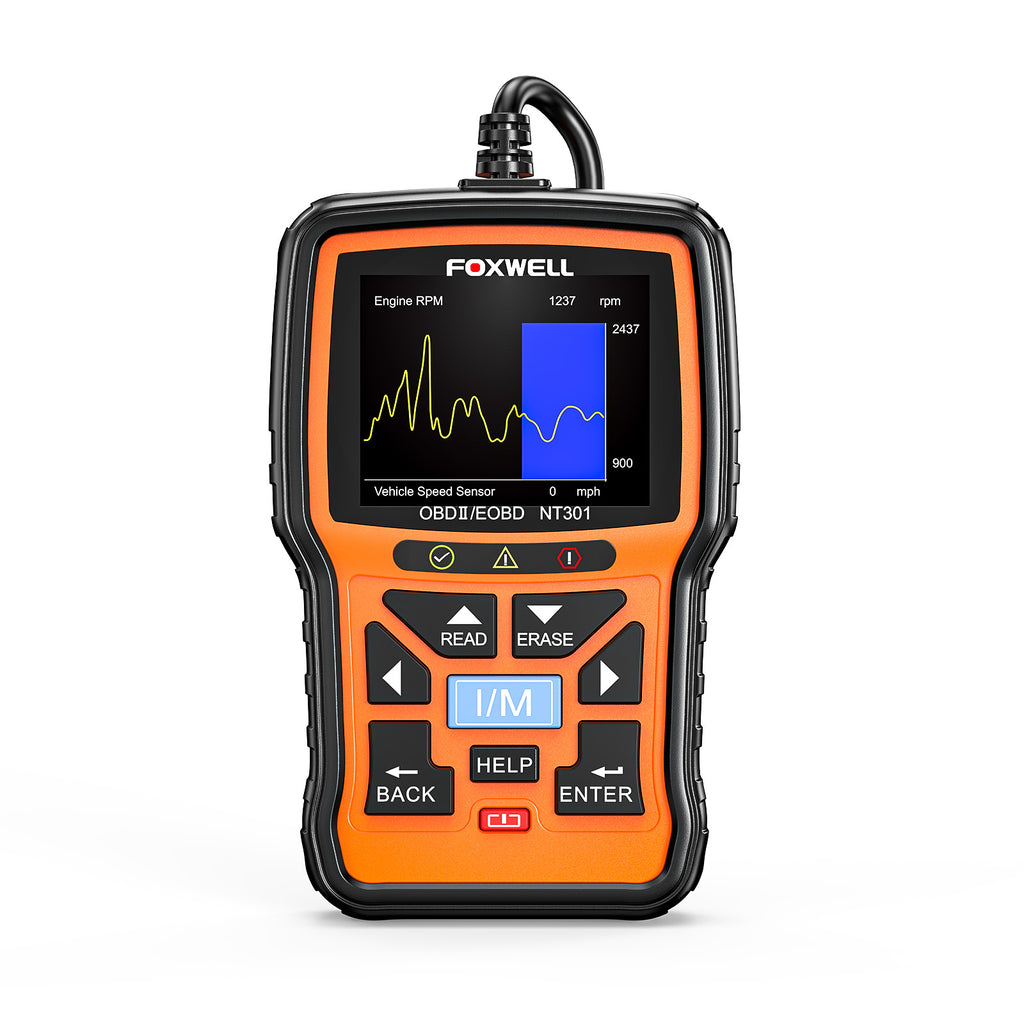
OBD2 Scanners · $
Foxwell NT301
Good for a basic garage kit when the goal is reading codes, not controlling vehicle systems.
- Best for
- Simple code reading and emissions readiness checks.
- Check first
- Do not expect advanced module coverage from a budget reader.
Compare fit and alternatives in Best OBD2 Scanner for DIY Mechanics.
OBD2 Scanners · $
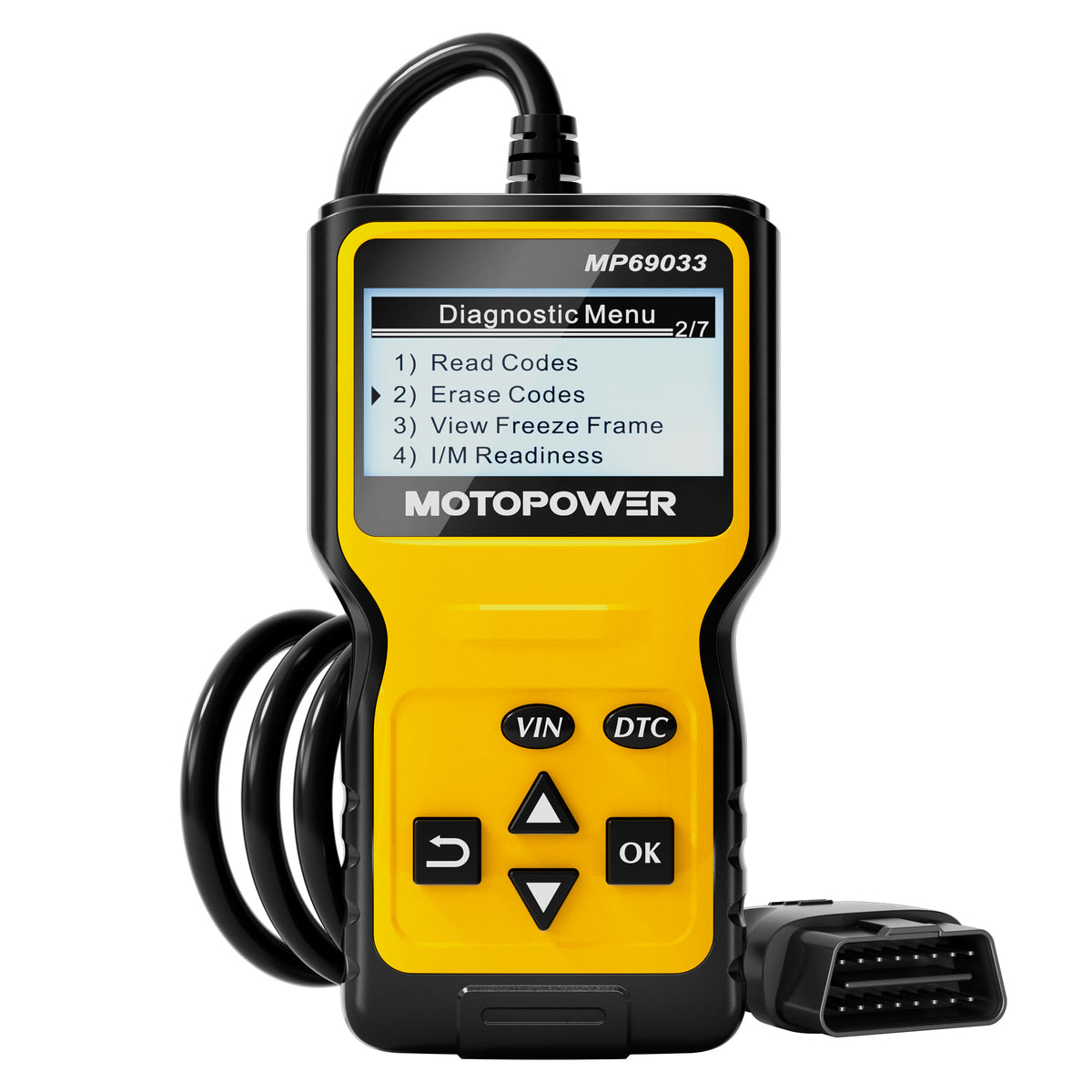
MOTOPOWER MP69033
A budget option for first-step code reading before deeper testing.
- Best for
- Keeping a low-cost code reader in the glovebox or home garage.
- Check first
- Very basic readers do not replace diagnostic judgment.
Compare fit and alternatives in Best OBD2 Scanner for DIY Mechanics.
Compression Testers · $$
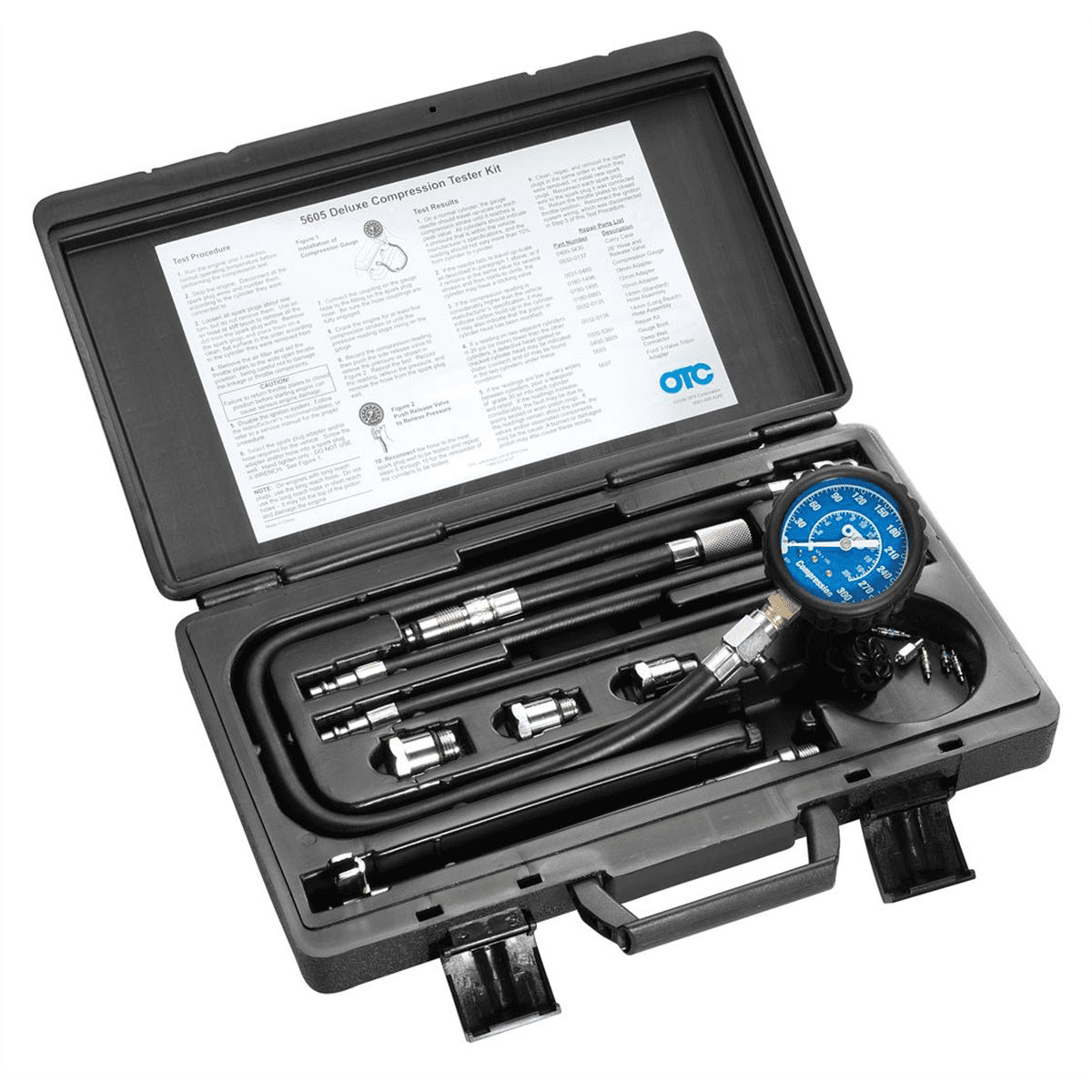
OTC 5605
A solid candidate for the compression tester comparison page.
- Best for
- Gas engine compression checks where adapter fit matters.
- Check first
- Confirm spark plug thread adapters for the engines you plan to test.
Compare fit and alternatives in Best Compression Tester.